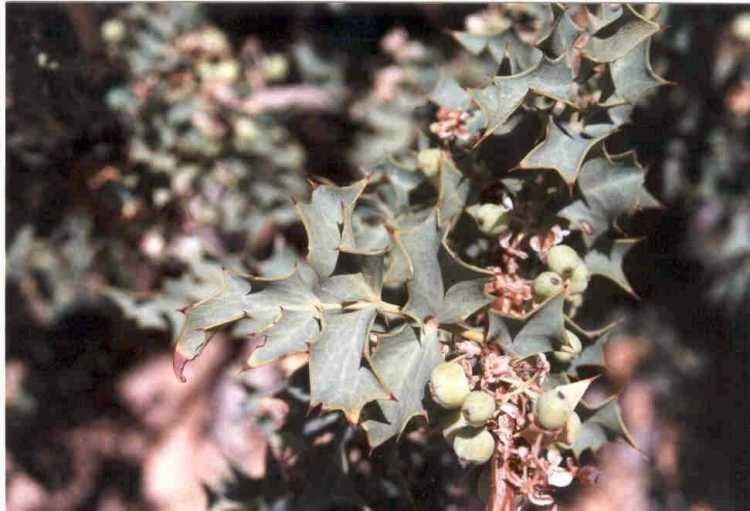
Hello fellow garden enthusiasts! It’s so lovely to have you join me for a chat about one of my favorite things: making more plants! Today, we’re going to dive into the wonderful world of propagating Berberis higginsiae. This shrub, with its delicate, vibrantly colored foliage and often charming berries, brings such a lively splash to any garden. And honestly, nothing feels quite as rewarding as nurturing a tiny cutting into a thriving new plant of your own. For those of you just dipping your toes into propagation, I’d say Berberis higginsiae is a pretty approachable plant to start with. A little care and patience go a long way here!
The Best Time to Start
The sweet spot for propagating Berberis higginsiae, especially from stem cuttings, is usually in late spring to early summer. This is when the plant is actively growing, and you’ll be taking cuttings from what we call “semi-hardwood.” This means the stems are starting to firm up but are still flexible enough to root easily. You want to avoid taking cuttings when the plant is producing flowers or fruit, as its energy is focused elsewhere then.
Supplies You’ll Need
Before we get our hands dirty, let’s gather our tools! Think of this as packing a picnic for your new plant babies.
- Sharp Pruning Shears or a Craft Knife: Cleanliness is key! We want to make nice, clean cuts.
- Rooting Hormone: This isn’t strictly essential for every plant, but it really gives Berberis a helpful boost. Look for a powder or gel.
- Small Pots or Trays: Whatever you have on hand will work. Make sure they have drainage holes.
- Well-Draining Potting Mix: A good quality seed-starting mix or a blend of equal parts potting soil and perlite is perfect.
- A Clear Plastic Bag or Dome: This creates a mini-greenhouse effect.
- Watering Can with a Fine Rose: Gentle watering is important.
- Labels: So you don’t forget what you’ve planted!
Propagation Methods
Let’s get down to the nitty-gritty of coaxing new life from our Berberis. Stem cuttings are my go-to for this beauty.
Stem Cuttings:
- Select Your Cuttings: Find a healthy, non-flowering stem on your Berberis. Look for wood that’s turned from green to a light brown – that’s your semi-hardwood. Aim for cuttings that are about 4-6 inches long.
- Make the Cut: Using your clean shears or knife, cut just below a leaf node. A leaf node is where a leaf springs from the stem. This is where the magic of rooting usually happens.
- Prepare the Cutting: Gently remove the leaves from the bottom half of the cutting. Leave just a couple of leaves at the very top. If the remaining leaves are large, you can even cut them in half to reduce water loss through transpiration.
- Apply Rooting Hormone: Dip the cut end of the stem into your rooting hormone, tapping off any excess.
- Plant Your Cuttings: Make a small hole in your prepared potting mix with a pencil or your finger. Gently insert the hormone-coated end of the cutting into the hole. Firm the soil gently around the stem to ensure good contact.
- Water Gently: Water the potting mix thoroughly but gently. You want the soil to be moist, not waterlogged.
- Create a Humid Environment: This is crucial! Pop a clear plastic bag over your pot or tray, or use a propagator lid. Make sure the leaves aren’t touching the plastic. You can use stakes to keep the bag from collapsing onto the leaves if needed.
The “Secret Sauce” (Pro Tips)
Over the years, I’ve picked up a few little tricks that seem to give my prop projects a little extra edge.
- Bottom Heat is Your Friend: If you have one, placing your pots on a gentle heat mat can significantly speed up rooting. Berberis roots love a bit of warmth from below.
- Don’t Overcrowd: Give your cuttings a little elbow room. If they’re too close together, they can harbor fungal issues. A well-ventilated space is always better.
- The Water Test (Optional): Some gardeners like to briefly dip cuttings in water before the rooting hormone. This can help the hormone adhere better. Just a quick dunk, don’t let it soak.
Aftercare & Troubleshooting
Once your cuttings are planted, keep them in a bright spot out of direct sun. The key here is consistent moisture in the soil and good humidity. You may want to open the plastic bag for a few minutes each day or so to allow for some air circulation and prevent mold.
You’ll know your Berberis higginsiae has rooted when you feel a slight resistance when you gently tug on the cutting. You might also see new leaf growth. This can take anywhere from 4 to 8 weeks, sometimes even longer, so please be patient!
The most common sign of trouble is rot. If your cutting looks mushy or black at the base, or if mold appears, it’s likely a sign of too much moisture and not enough air. Sadly, in these cases, the cutting usually won’t recover. To prevent this, ensure your soil drains well and that you’re airing out the cuttings regularly. If you see leaves yellowing and dropping, it could be a sign of too little moisture, so check the soil.
A Little Patience Goes a Long Way
Propagating plants is a journey, and with Berberis higginsiae, it’s a really satisfying one. Don’t be discouraged if every single cutting doesn’t make it – that’s perfectly normal! The joy is in the process, in learning what your plants need, and in the exciting moment when you see those first tiny roots emerging. Happy propagating, and enjoy your new Berberis babies!
Resource:
https://identify.plantnet.org/k-world-flora/species/Berberis%20higginsiae%20Munz/data