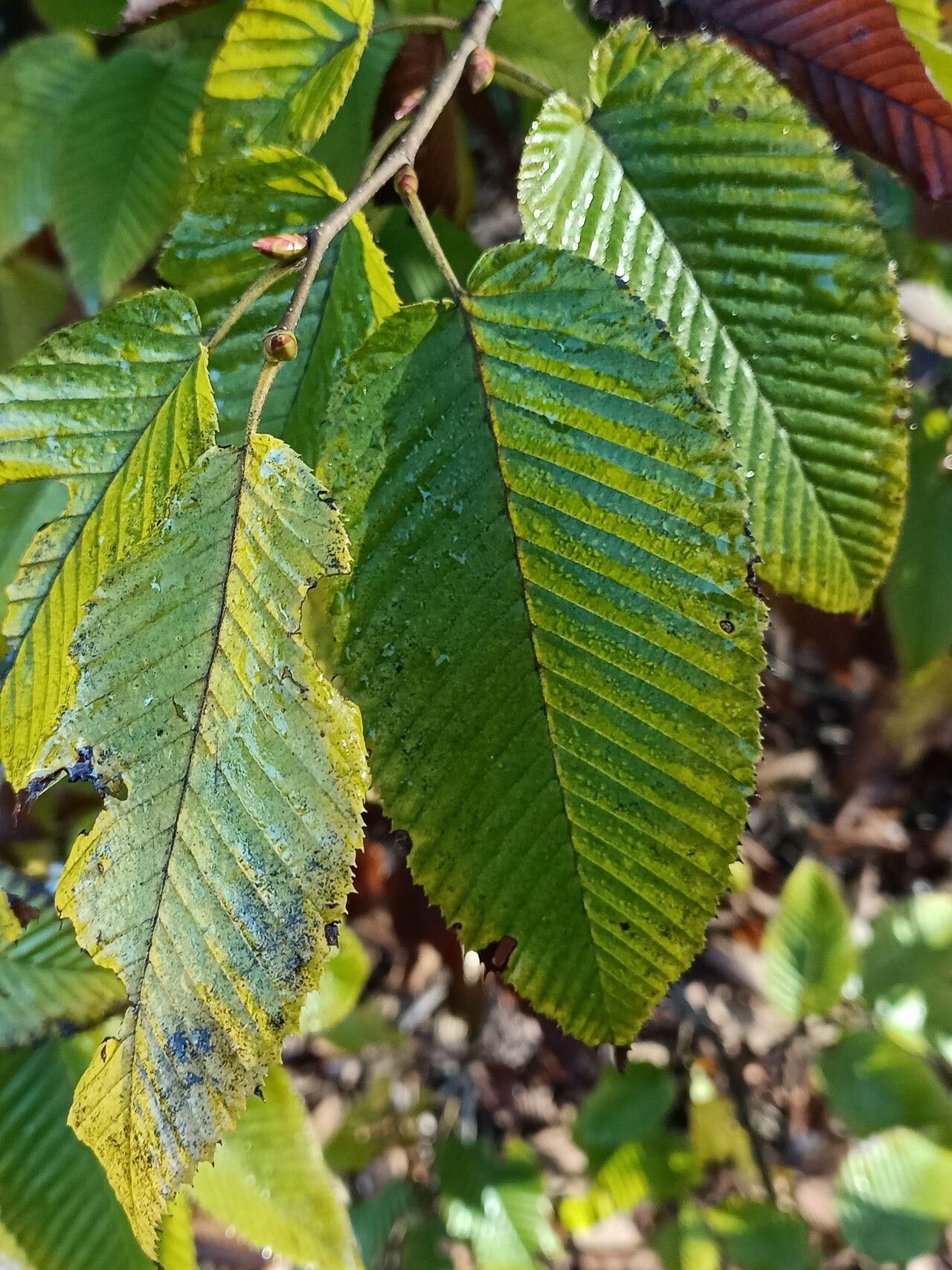
Oh, Carpinus fangiana! You know, I always get excited when I talk about this tree. It’s not the shyest plant in the garden, but its graceful, arching branches and those lovely little papery bracts that hug the fruit in autumn? Pure magic. It really adds a touch of elegance. And the best part? Being able to create more of these beauties from your own existing plants feels incredibly rewarding. It connects you to the cycle of life in such a tangible way.
Now, about starting these yourself. For a beginner, I’d say Carpinus fangiana leans a little more towards the “rewarding challenge” side of things. It’s not impossible, by any means, but it definitely requires a bit of patience and attention to detail compared to, say, a simple begonia cutting. But hey, that’s part of the fun, right? Learning and seeing your efforts pay off.
The Best Time to Start
My go-to time for propagating Carpinus fangiana is generally late spring to early summer. This is when the plant is actively growing, and the new shoots, called softwood cuttings, are pliable enough to root but have enough energy to get going. You want to catch them when they’re still green and flexible, not woody and stiff.
Supplies You’ll Need
Here’s what I keep on hand when I’m ready to get propagating:
- Sharp, clean pruning shears or a sharp knife: Essential for making a clean cut, which helps prevent disease.
- Rooting hormone powder or gel: This is a real game-changer for encouraging root development.
- A well-draining potting mix: I often use a blend of peat moss, perlite, and coarse sand. You want something that lets water flow easily.
- Small pots or seedling trays: Clean ones are a must!
- A plastic bag or propagation dome: To create a humid environment.
- Labels and a marker: Trust me, you’ll forget what you’ve planted!
- (Optional but recommended) A heated propagator or a warm, sunny windowsill: A little warmth from below can significantly speed things up.
Propagation Methods
For Carpinus fangiana, I’ve found stem cuttings to be the most reliable method. Here’s how I go about it:
- Take the Cuttings: On a bright, overcast day in late spring or early summer, select healthy, vigorous shoots that are about 4-6 inches long. Make a clean cut just below a leaf node (where a leaf attaches to the stem). This node is where roots are most likely to form. Remove the lower leaves, leaving only two or three at the top.
- Prepare the Cuttings: Dip the cut end of each stem into rooting hormone. Gently tap off any excess.
- Plant the Cuttings: Fill your small pots or trays with your prepared potting mix. Make a small hole in the center of the mix with a pencil or your finger. Insert the prepared cutting into the hole, ensuring the leaf node is buried. Gently firm the soil around the base.
- Create Humidity: Water the soil gently. Then, cover the pots with a plastic bag or place them inside a propagation dome. Make sure the leaves aren’t touching the sides of the bag if possible.
- Provide the Right Environment: Place the pots in a bright location, but out of direct sunlight. If you have a heated propagator, set it to around 70-75°F (21-24°C). Otherwise, a warm, bright windowsill will work.
The “Secret Sauce” (Pro Tips)
Alright, a couple of little tricks I’ve picked up over the years that make a difference:
- Use bottom heat! Seriously, this is a big one. Many plants, especially woody ones like Carpinus, get a massive boost when their roots are kept warm. Even a simple seedling mat can work wonders. It encourages root formation while the top doesn’t dry out as quickly.
- Don’t let the leaves touch the water if you’re misting. If you’re keeping the humidity up by misting, be sure spray only the leaves and stems, not the potting mix itself. Excess moisture sitting on the soil can encourage fungal diseases. And if you do get condensation dripping on leaves, gently wipe it off.
- Take cuttings in the morning. The plant is most hydrated then, making the cuttings respond better to the shock of being cut and generally giving them a stronger start.
Aftercare & Troubleshooting
Once you’ve got your cuttings potted up, the waiting game begins! Keep the soil consistently moist but not soggy. You should see condensation building up inside your plastic bag or dome – that’s a good sign of humidity.
You’ll know your cuttings are rooting when you see new leaf growth or a gentle tug on the stem reveals resistance. This can take anywhere from 4 to 12 weeks, so patience is key! Once they’ve rooted, you can gradually acclimate them to normal garden conditions by opening the bag or dome for increasing periods each day before transplanting them into slightly larger pots.
Now, what about when things go wrong? The most common culprit is rot. If your cuttings look mushy, turn black, or simply refuse to show any signs of life after a good long while, it’s usually a sign of too much moisture and not enough ventilation. If you see a little mold, you can try removing the affected parts quickly and ensuring better airflow. Don’t be discouraged if you lose a few; it happens to all of us!
A Encouraging Closing
So there you have it! Propagating Carpinus fangiana is a journey, but a truly delightful one. Be patient with yourself, enjoy the process of nurturing these new little lives, and before you know it, you’ll have your very own collection of these majestic trees. Happy gardening!
Resource:
https://identify.plantnet.org/k-world-flora/species/Carpinus%20fangiana%20Hu/data