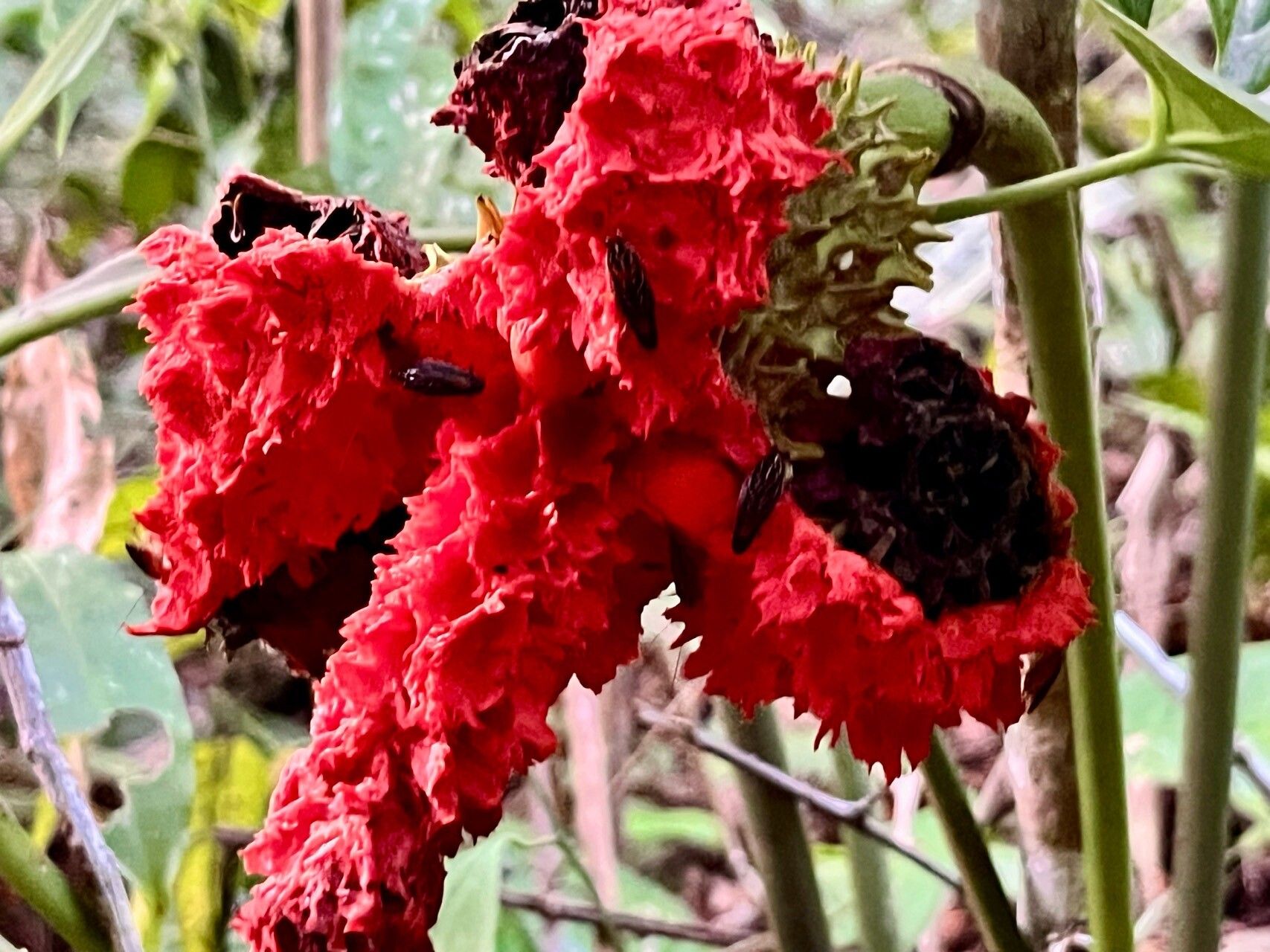
Oh, hello there! Pull up a chair and let’s talk about a plant that’s been capturing my heart for years: Carludovica drudei. If you’ve ever seen this beauty, you know why. Its architectural, fan-like leaves bring such a tropical flair to any space. And the best part? You can easily create more of them yourself! Let me tell you, there’s a special kind of magic in watching a tiny cutting develop into a thriving new plant.
Now, as for difficulty, I’d say Carludovica drudei is moderately easy to propagate. It’s not quite a “stick it in the ground and forget it” situation, but with a little attention and the right steps, you’ll be successful. It’s a wonderfully rewarding project for anyone looking to expand their jungle.
When to Get Your Hands Dirty
The absolute best time to propagate Carludovica drudei is during its active growing season. For most of us, this means late spring through summer. The plant is full of energy then, and those new shoots will recover from any tampering much faster, with a higher likelihood of rooting. You’re essentially working with nature’s peak performance!
Gathering Your Arsenal
Before we dive in, let’s make sure you have everything ready. A little preparation goes a long way!
- Sharp, clean pruning shears or a strong knife: This is crucial for making clean cuts that heal well.
- A well-draining potting mix: I like a blend of equal parts perlite, peat moss, and coco coir. Or, a good quality cactus or succulent mix will also work in a pinch.
- Small pots or propagation trays: Think 4-6 inch pots for divisions, or smaller ones for cuttings.
- Rooting hormone (optional, but recommended): This can give your cuttings a helpful boost.
- Spray bottle filled with water: For misting.
- Plastic bag or propagation dome: To create a humid environment.
- Small trowel or dibber: For making holes in the soil.
Bringing New Life: Propagation Methods
The most common and effective way to propagate Carludovica drudei is through division, and sometimes by taking stem cuttings, though division is often the most successful.
Method 1: Division (The Superstar Method)
This is my go-to for Carludovica drudei. It’s like giving your plant a spa day and getting new babies as a bonus!
- Gently remove the plant from its pot. Turn the pot on its side and coax the plant out. If it’s stuck, a gentle wiggle or tapping the rim of the pot should do the trick. Be patient!
- Inspect the root ball. Look for distinct clumps or offsets that are already developing their own roots and possibly shoots.
- Carefully tease apart the divisions. Use your hands or a clean tool to gently separate the clumps. Try to ensure each division has a good portion of roots and at least one healthy stem or leaf. Don’t be afraid to get a little messy!
- Pot up the divisions. Fill your new pots with your prepared potting mix. Make a small hole in the center with your finger or trowel.
- Place the division in the hole. Ensure the roots are spread out. Gently fill in the soil around the base, firming it down lightly.
- Water thoroughly until water drains from the bottom.
- Place in bright, indirect light. Avoid direct sun, which can scorch the tender new growth. Keep the soil consistently moist but not waterlogged.
Method 2: Stem Cuttings (A Bit Trickier, But Worth Trying)
If you have a very vigorous plant with long stems, you can try cuttings.
- Select a healthy stem. Look for a stem that has at least two sets of leaves and is at least 6-8 inches long.
- Make a clean cut. Using your sharp shears, cut the stem just below a leaf node. A leaf node is where a leaf attaches to the stem, and that’s where roots will emerge.
- Remove the lower leaves. Gently strip off the leaves from the bottom half of the cutting.
- Dip in rooting hormone (optional). If you’re using it, dip the cut end into the rooting hormone powder, tapping off any excess.
- Plant in your propagation mix. Make a hole with a pencil or dibber and gently insert the cutting, ensuring the nodes are covered by soil.
- Water lightly.
- Create humidity. Cover the pot loosely with a plastic bag or place it in a propagation dome. This is key!
The “Secret Sauce”: My Insider Tips
Over the years, I’ve learned a few tricks that really make a difference.
- Don’t drown your cuttings! While humidity is important for cuttings, I’ve found that some people overwater. For stem cuttings, make sure the soil is evenly moist, not soaking wet. It’s far better to let it dry out slightly between waterings than to risk root rot.
- Bottom heat is your friend. If you’re really serious about speeding up root development for stem cuttings, placing your pots on a gentle heat mat can work wonders. It mimics the soil temperature of warmer climates and encourages those roots to form faster.
- Scrape a tiny bit! For stem cuttings, after you’ve made your cut and removed lower leaves, you can take your knife and gently scrape away a very thin sliver of the outer bark on one side of the stem, just above the lowest leaf node. This exposes the cambium layer, which can encourage root formation. Be super gentle here; you’re not trying to remove a large chunk.
Aftercare and What to Watch For
Once your divisions or cuttings have settled in, it’s time for tender loving care.
For Divisions: Keep the soil consistently moist but not soggy. They should start showing signs of new growth within a few weeks. Once they’re looking vigorous and have been in their new pots for a month or so, you can gradually introduce them to brighter light.
For Cuttings: Maintain that high humidity. Check the soil moisture regularly and mist as needed. You’ll know they’ve rooted when you see new leaves starting to unfurl or if there’s resistance when you gently tug on the stem. This can take anywhere from 6 weeks to a few months. Once roots are established (you might see drainage!), you can remove the plastic covering and gradually acclimate them to less humid conditions and brighter light.
Troubleshooting: The most common issue you’ll encounter is rot. This is usually due to overwatering and poor drainage. If a cutting or division looks mushy or the leaves turn yellow and droop excessively, it’s a sign rot might be setting in. Sadly, it’s often difficult to save a plant that’s already rotted, but you can try removing any affected parts and repotting in fresh, dry soil, and reducing watering. Another issue might be slow or no root development, which simply means patience is needed, or perhaps the conditions (light, humidity, temperature) aren’t quite right.
Happy Planting!
Don’t be discouraged if your first attempt isn’t perfect. Gardening is a journey, and propagation definitely has a learning curve. Enjoy the process, celebrate every tiny bit of progress, and before you know it, you’ll have a small army of Carludovica drudei ready to transform your home or share with friends. Happy propagating!
Resource:
https://identify.plantnet.org/k-world-flora/species/Carludovica%20drudei%20Mast./data