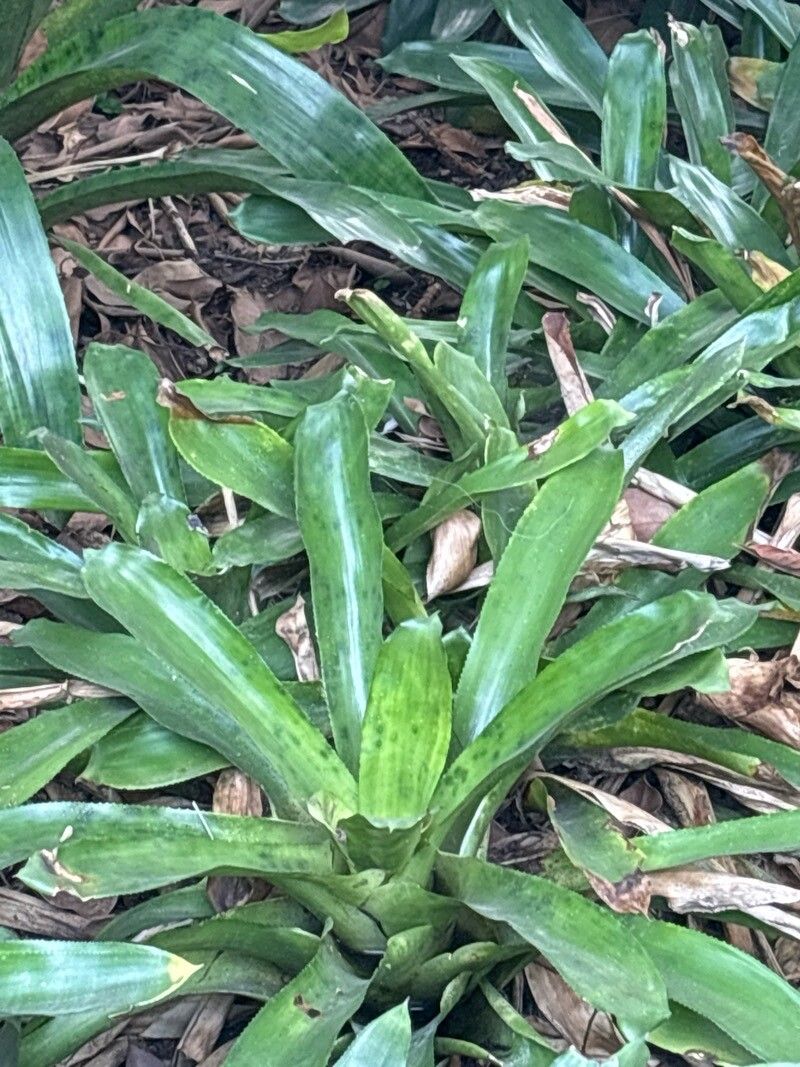
Oh, hello there! So glad you’ve stopped by. You know, sometimes the most exquisite plants can feel a bit out of reach, like they belong only in the pages of a fancy magazine. But I’m here to tell you that with a little know-how and a dash of patience, you can absolutely bring those beauties into your own home. Today, we’re going to talk about a real stunner: Canistrum fosterianum.
The Allure of Canistrum fosterianum
Isn’t it just gorgeous? With its striking foliage, often a rich, deep green with intricate patterns or vibrant edges, the Canistrum fosterianum brings a touch of the exotic to any space. They’re bromeliads, but not the flashy flowering types you might first imagine. Their appeal is in their incredible leaf structure and their architectural elegance. Propagating them is such a joy because you’re essentially multiplying that beauty, creating new plants that will bring you just as much delight as your original. For a beginner, I’d say it’s moderately easy. It requires a bit of attentiveness, but it’s far from impossible. Think of it as a rewarding challenge that teaches you a lot.
The Best Time to Start
Honestly, the best time to get going with your Canistrum fosterianum propagation is when the plant is actively growing. For most of us, this means the late spring or early summer. You’ll notice your plant is putting on new growth, maybe even producing pups, which are essentially baby plants starting to form at the base. This is its prime energy period, and it’s much more likely to succeed when it’s feeling robust and ready to expand. Trying to propagate in the dead of winter, when everything is slowing down, is just setting yourself up for frustration.
Supplies You’ll Need
Gathering your tools before you start makes the whole process so much smoother. Here’s what I usually have on hand:
- Sharp Pruning Shears or a Clean Knife: For making clean cuts. Sterilize them with rubbing alcohol before and between cuts to prevent disease.
- Well-Draining Potting Mix: A mix specifically for bromeliads or an orchid mix works wonderfully. You can also create your own by combining peat moss, perlite, and orchid bark.
- Small Pots or Trays: Whatever you have available, just make sure they have drainage holes.
- Rooting Hormone (Optional but Recommended): A powdered or gel hormone can give your cuttings a helpful boost.
- Watering Can or Spray Bottle: For gentle watering.
- Gloves (Optional): Some people find bromeliads a bit prickly.
Propagation Methods
Canistrum fosterianum is a master of creating its own little helpers, so division is usually your go-to method.
Division: The Natural Way
This is by far the most successful and straightforward way to propagate Canistrum fosterianum. Your mature plant will likely produce pups, which are miniature versions of the parent plant that sprout from the base.
- Examine Your Plant: Gently unpot your Canistrum fosterianum. You’ll see the pups growing from the main rhizome (the underground stem). You want to wait until the pup is a decent size, at least a quarter to half the size of the parent plant, and ideally has its own healthy roots starting to form.
- Separate the Pup: Take your sharp, sterilized cutting tool and carefully make a clean cut between the pup and the mother plant. Try to keep as many of the pup’s roots intact as possible. If the pup is small and doesn’t have many roots yet, that’s okay too, but it might take a little longer to establish.
- Pot Them Up: Fill your small pots with your well-draining potting mix. Make a small indentation in the center and place the pup in it, gently firming the soil around its base. If you’re using rooting hormone, dip the cut end of the pup in it before planting.
- Water Gently: Give the newly potted pup a light watering. You don’t want to waterlog it, just moisten the soil.
The “Secret Sauce” (Pro Tips)
Here are a few little tricks I’ve picked up over the years that can make a big difference:
- Don’t Overwater the Pups: This is crucial! Young divisions, especially those without a robust root system yet, are very susceptible to root rot. Err on the side of being a little too dry rather than too wet, at least for the first few weeks. A light misting of the leaves can be good, but keep the soil barely moist.
- Consider Bottom Heat (Even a Little): Bromeliads love warmth, and giving your newly divided pups a little gentle bottom heat can encourage root development. A seedling heat mat placed under the tray of pots, on a low setting, is perfect. It’s not about baking them, but providing that cozy, slightly warmer environment they crave.
- Patience is Your Best Friend: Seriously, this isn’t an overnight miracle. You might see new leaf growth relatively quickly, but seeing substantial root development can take several weeks or even a couple of months. Trust the process, and try not to fuss too much.
Aftercare & Troubleshooting
Once your pup has started to establish, you’ll want to continue a consistent care routine.
- Light: Place your new Canistrum fosterianum in bright, indirect light. Avoid direct sun, which can scorch its leaves, especially when it’s still establishing.
- Watering: Continue to water sparingly, allowing the soil to dry out slightly between waterings. Periodically, you can let the central cup fill with a little water, just like you would an adult bromeliad, but remember to empty excess water if it sits for too long.
- Humidity: Most bromeliads appreciate a bit of humidity. Grouping them with other plants or placing the pot on a pebble tray with water can help.
Now, what if things aren’t looking so great? The most common foe you’ll encounter is rot. You might see the base of the pup turning mushy and black. This usually signals overwatering. If you catch it early, you can try to cut away the rotten parts and repot into entirely dry, fresh soil, and then water very cautiously. If the pup is beyond saving, it’s a tough lesson, but one that leads to better practices for next time. Another sign of trouble is no new growth at all after a long period, which might mean the roots haven’t taken, or it’s just taking its sweet time.
A Little Bit of Green, A Lot of Joy
Propagating plants, especially something as beautiful as a Canistrum fosterianum, is such a rewarding journey. It’s a chance to connect with nature, to learn and grow alongside your plants. Don’t be discouraged if your first attempt isn’t perfect. Each plant is an individual, and each propagation is a learning experience. Be patient, enjoy the process, and you’ll soon have a whole collection of these stunning Canistrum fosterianum to share and admire. Happy growing!
Resource:
https://identify.plantnet.org/k-world-flora/species/Canistrum%20fosterianum%20L.B.Sm./data