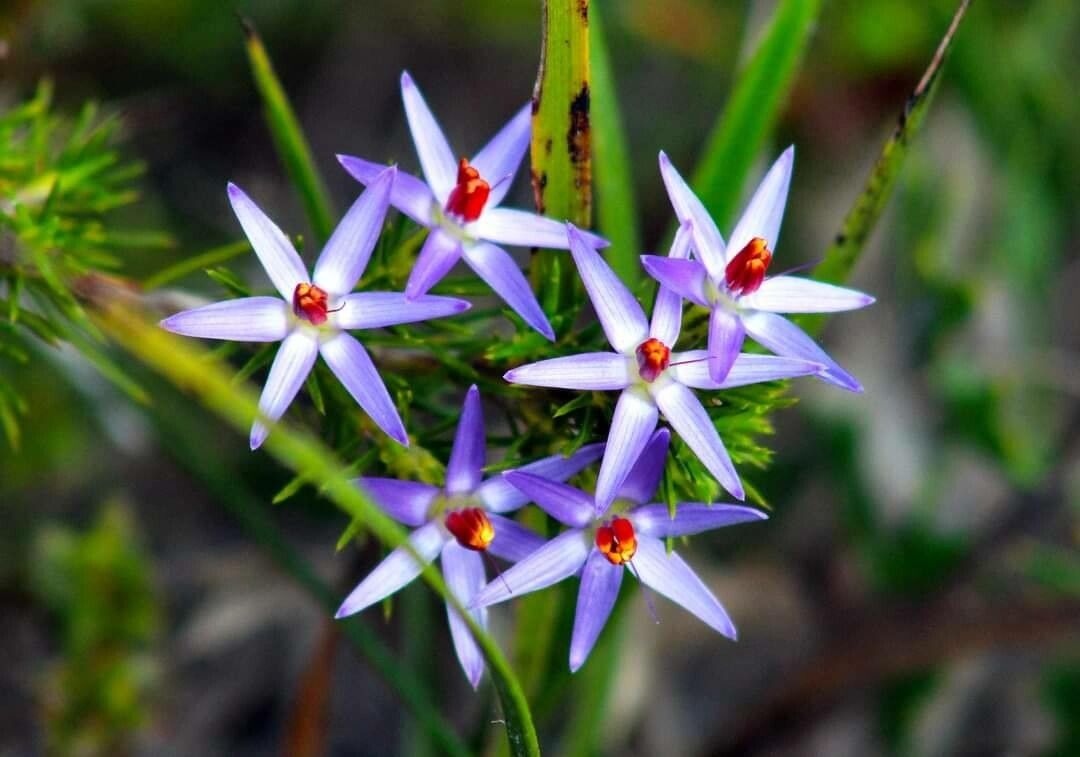
Oh, Calectasia cyanea! If you’ve ever seen this stunning Australian native, you know exactly why I’m so excited about sharing its propagation secrets with you. That intense blue, star-like flower that seems to glow from within? It’s truly a showstopper. And the reward of coaxing a new one to life from a piece of an existing plant is just immeasurable. Now, full disclosure, Calectasia cyanea isn’t the absolute easiest plant to start from scratch for a complete beginner. It likes a bit of specific care, but with a few pointers from me, you’ll be well on your way.
When to Get Started
The best time to dive into propagating your Blue Star Flower is early spring. This is when the plant is just waking up from its winter rest and has all that lovely new growth energy. You’re looking for young, healthy stems that are neither too soft and new nor too old and woody. Think of it as seeking out that “just right” stage – flexible but with a bit of substance.
What You’ll Need
- Sharp Pruning Shears or a Knife: Cleanliness is paramount to prevent disease.
- Rooting Hormone: A powder or gel specifically designed for cuttings.
- Potting Mix: A well-draining mixture. I personally love a blend of perlite, coco coir, and a bit of coarse sand. Calectasias hate soggy feet!
- Small Pots or Trays: With drainage holes, of course.
- Plastic Bags or a Propagator: To create a humid environment.
- Water: For misting.
- Optional: Heat Mat: For a touch of bottom warmth.
Bringing New Life: Propagation Methods
For Calectasia cyanea, stem cuttings are generally the most successful route.
- Take Your Cuttings: Select a healthy stem that’s about 4-6 inches long. Make a clean cut just below a leaf node (where a leaf meets the stem). Remove the lower leaves, leaving just a few at the top.
- Dip in Rooting Hormone: Lightly moisten the cut end of the stem and dip it into your rooting hormone, coating it generously. Tap off any excess.
- Plant Your Cutting: Fill your small pots with your well-draining mix. Make a hole in the center with a pencil or skewer. Gently insert the coated cutting, ensuring the nodes where you removed the leaves are buried. Firm the soil gently around the stem.
- Create a Humid Environment: Water the soil lightly. Then, cover the pot with a clear plastic bag, securing it around the rim with a rubber band, or place it inside a propagator. This traps moisture and creates the mini-greenhouse effect that cuttings love.
The “Secret Sauce” – My Insider Tips
Here are a couple of things I’ve learned over the years that really give you an edge:
- Don’t Over-Water, Just Mist! Once under the plastic, the goal is high humidity, not a waterlogged pot. Mist the leaves and the soil surface occasionally if things look a bit dry. Soggy conditions are the quickest way to invite rot.
- A Little Warmth Goes a Long Way: If you have a heat mat, placing your pots on it can significantly speed up root development. It mimics the soil temperature you’d find in their native Australian summer. Just make sure it’s not too hot – lukewarm is perfect.
Aftercare and What to Watch For
Once your cuttings are planted, keep them in a bright spot, but out of direct, harsh sunlight. Patience is key here; it can take several weeks, even a couple of months, for roots to form. You’ll know they’re ready when you can gently tug on the cutting and feel resistance.
The most common issue you’ll face is rot. If you see the stem turning black or mushy at the soil line, it’s probably a goner. This is usually a sign of over-watering or poor drainage. Don’t get discouraged if a few don’t make it; that’s part of the learning process!
Happy Propagating!
Watching those tiny roots emerge and knowing you nurtured them into existence is such a deeply satisfying part of gardening. Be patient with your Calectasia cyanea cuttings – they’re worth a little extra attention. Enjoy the journey, and get ready to admire your very own Blue Star Flowers!
Resource:
https://identify.plantnet.org/k-world-flora/species/Calectasia%20cyanea%20R.Br./data