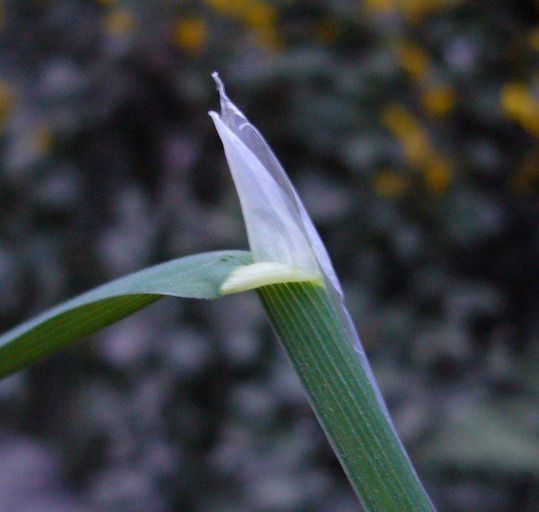
Hey there, fellow garden lovers! Today, we’re diving into the wonderful world of Bromus vulgaris, also known as Columbia brome or California fescue. If you’re captivated by its graceful, arching foliage and the gentle sway it brings to a garden, you’re in for a treat. Propagating Bromus vulgaris is a truly rewarding experience, letting you multiply that beauty for free! And for those of you just starting out on your plant-parenting journey, I’m happy to say this grass is generally quite forgiving, making it a great choice for beginners.
The Best Time to Start
My golden rule for propagating Bromus vulgaris is to start in the spring. As the soil warms up and new growth really kicks into gear, the plant is bursting with energy. This is when it’s most receptive to new beginnings. You can also have success with divisions later in the season, but spring gives you the best chance for vigorous new plants.
Supplies You’ll Need
Here’s a little shopping list to get you prepped:
- Sharp pruning shears or a clean knife: For making clean cuts.
- Well-draining potting mix: I usually mix about 50% potting soil with 50% perlite or coarse sand. This is crucial for preventing soggy roots.
- Small pots or trays: With drainage holes, of course!
- Rooting hormone (optional but helpful): Especially for cuttings, it can give them a nice boost.
- Watering can with a fine rose: To water gently without disturbing young roots.
- Labels and a marker: To keep track of what you’ve planted and when.
Propagation Methods
Bromus vulgaris is happily propagated through division, which is by far the easiest and most reliable method for this lovely grass.
Division Method:
- Dig it up: Gently excavate the parent plant from its current location. Try to get as much of the root ball as possible. You can also do this in the pot if it’s already planted.
- Inspect the roots: Gently shake off excess soil to get a good look at the root structure. You’re looking for distinct clumps or sections that naturally separate.
- Separate the clumps: Using your hands, or a clean, sharp knife if the clumps are tough, gently pull or cut the plant into smaller sections. Each section should have a good amount of roots and some healthy foliage. Don’t be afraid to be firm but careful.
- Replant immediately: Pot up each division into its own container filled with your well-draining potting mix. Make sure the crown of the plant (where the roots meet the shoots) is at or just slightly above soil level.
- Water thoroughly: Give each new plant a good, initial watering to settle the soil around the roots.
The “Secret Sauce” (Pro Tips)
Here are a couple of little tricks I’ve picked up over the years that make a big difference:
- Don’t overwater divisions: While they need moisture, new divisions can be susceptible to rot. Let the top inch of soil dry out slightly between waterings. It’s better to err on the drier side initially until they’ve established.
- Give them a quiet spot: Once divided and replanted, place your new Bromus vulgaris in a sheltered location away from harsh sun and strong winds for the first week or two. This reduces stress and allows them to focus on root development.
Aftercare & Troubleshooting
Once your new Bromus vulgaris plants have settled in (you’ll see new shoots emerging, which is a great sign!), continue to water them consistently, but still allow the soil to dry slightly between waterings. As they grow, you can gradually introduce them to more sun.
The main thing to watch out for is rot. If you see yellowing, mushy stems or leaves, that’s a sure sign of too much moisture. If this happens, gently pull the plant out, trim away any rotten parts with clean shears, and repot in fresh, dry, well-draining soil.
A Encouraging Closing
Propagating Bromus vulgaris is a lovely way to expand your garden and share its charm. Be patient with your new little grass clumps; they’re working hard to establish themselves. Enjoy the process of nurturing these new plants, and before you know it, you’ll have a whole meadow of swaying beauty! Happy gardening!
Resource:
https://identify.plantnet.org/k-world-flora/species/Bromus%20vulgaris%20(Hook.)%20Shear/data