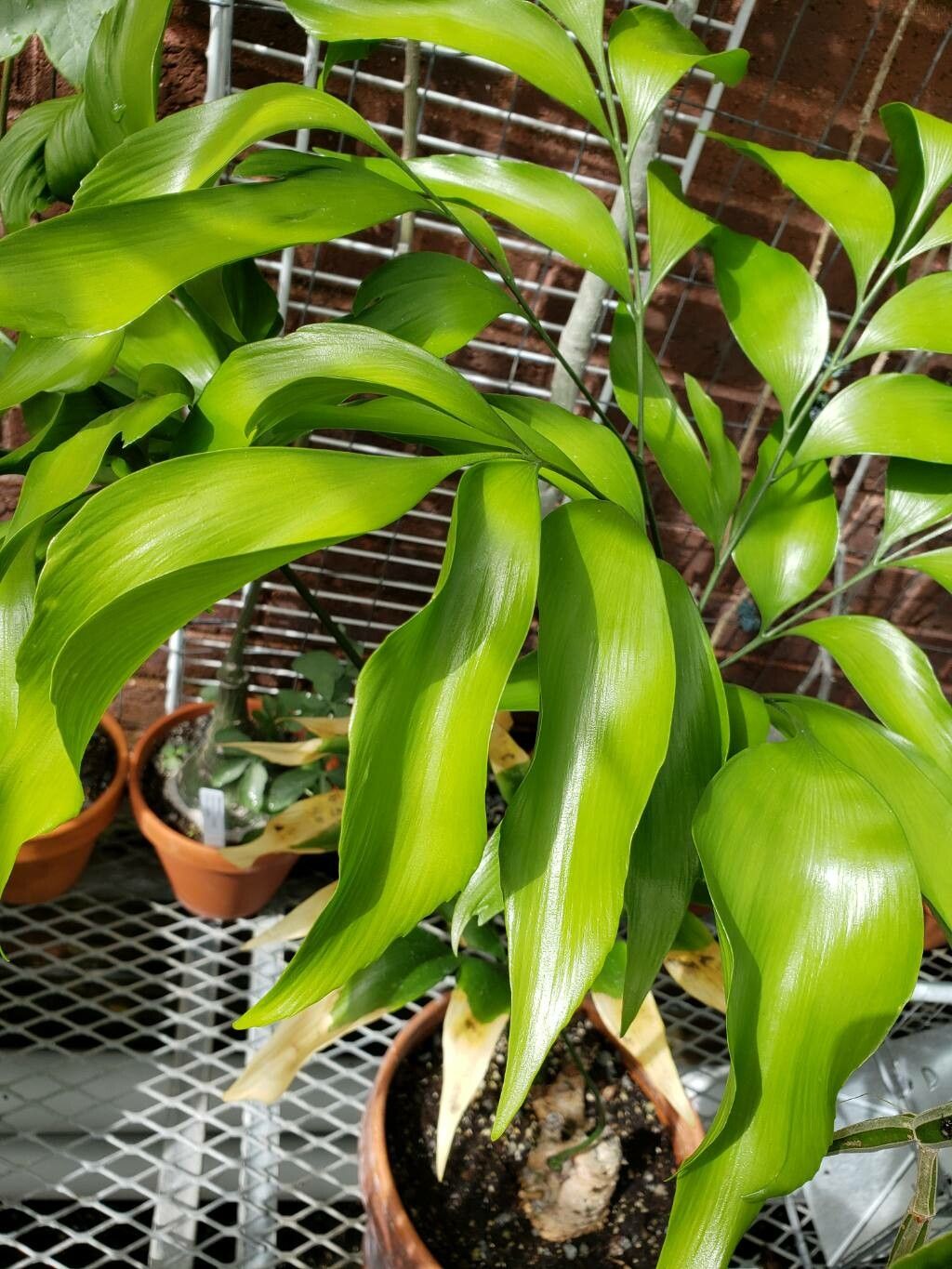
Well hello there, fellow plant lovers! It’s always a joy to talk about plants, especially when we’re diving into the magic of creating more of them. Today, we’re going to get up close and personal with a truly spectacular specimen: Bowenia spectabilis.
A Prickly, Yet Rewarding, Endeavor: Introducing Bowenia Spectabilis
Let me tell you, Bowenia spectabilis isn’t your average houseplant. It’s a cycad, a group of ancient plants that have been around for eons. Imagine a living fossil gracing your home! Its fronds are uniquely divided, giving it a feathery, almost fern-like appearance, but with a distinctly prehistoric charm. Propagating it can feel like unlocking a little piece of botanical history. Now, I’ll be honest, Bowenia spectabilis isn’t the easiest plant to propagate. It prefers a gentle touch and a bit of patience, but for those who take the time, the reward of nurturing your own Bowenia from a tiny start is immense.
The Sweet Spot: When to Give Propagation a Go
The absolute best time to attempt propagating Bowenia spectabilis is during its active growing season. This typically falls in the late spring and summer months. Why? Because the plant has more energy to put into developing new growth and, crucially, new roots. Trying to propagate when the plant is dormant or stressed is like asking it to run a marathon on an empty stomach – it’s just not going to happen. Look for new, vigorous growth on your established plant before you get started.
Gearing Up: Your Propagation Toolkit
Before we get our hands dirty, let’s make sure we have everything we need. A little preparation goes a long way!
- Sharp Pruning Shears or a Clean Knife: For making clean cuts. Sterilize them between cuts if propagating multiple pieces.
- Well-Draining Potting Mix: This is crucial. I like a mix of coarse perlite, orchid bark, and a bit of peat or coir. Think airy and fast-draining.
- Small Pots or Propagation Trays: With drainage holes!
- Rooting Hormone (Optional but Recommended): A good quality rooting hormone powder can significantly boost your success rate.
- Clear Plastic Bag or Dome: To create a humid environment.
- Spray Bottle: For keeping things moist.
- Warmth (Optional but Highly Beneficial): A heat mat can work wonders for encouraging root development.
The Art of Making More: Propagation Methods
Bowenia spectabilis is most commonly and successfully propagated through division of rhizomes. They tend to grow a bit like an underground stem, and these can be carefully separated.
Method: Division of Rhizomes
This method requires a little care, as we’re working with the plant’s underground structure.
- Gently Unpot Your Plant: Carefully remove your Bowenia spectabilis from its pot. It’s best to do this when the soil is slightly dry, as it makes for less mess.
- Inspect the Rhizomes: Gently brush away excess soil to get a clear view of the rhizome (the thick, underground stem). You’re looking for sections that have their own growth buds or developing fronds projecting from them.
- Separate Carefully: Using your sterilized knife or shears, carefully cut or break away a section of the rhizome that has at least one viable growth bud. Try to get a clean break. If you can, ensure the piece you’re taking has a small amount of root attached, but it’s not always possible.
- Allow to Callus (Optional but Good Practice): If you made a significant cut, it can be beneficial to let the cut end of the division air dry for a day or two in a shaded spot. This helps it to callus over and reduces the risk of rot.
- Pot Up Your New Plant: Fill your prepared small pot with your well-draining mix. Make a small indentation in the center and place your Bowenia division so the growth bud is just at or slightly above the soil surface. You don’t want to bury it too deeply.
- Water Lightly and Cover: Water the potting mix gently until it’s moist but not soggy. Then, cover the pot with a clear plastic bag, using stakes if needed to keep it from touching the leaves, or place it under a clear dome. This will create the humid microclimate new cuttings need.
The “Secret Sauce”: Insider Tips from the Garden Bench
Here are a few things I’ve learned over the years that can really make a difference with Bowenia:
- Less is More with Water: While humidity is key, overwatering is the quickest way to kill a new division. The soil should feel like a wrung-out sponge – consistently moist, but never waterlogged. Let the surface dry slightly between waterings.
- Bottom Heat is Your Friend: If you have a heat mat, place your potted division on it. Consistent warmth from below really encourages those roots to emerge. Aim for a soil temperature around 70-75°F (21-24°C).
- Patience, Patience, Patience: Bowenia spectabilis is not a fast grower, even when established. New roots and shoots can take weeks, sometimes even months, to appear. Resist the urge to constantly dig it up to check. Trust the process.
Nurturing the Newcomer: Aftercare and Troubleshooting
Once you spot signs of new growth — a tiny frond unfurling or a hint of root peeking from the drainage hole — it’s time to start slowly adjusting its environment.
- Acclimatize Gradually: Over the next week or two, gradually increase airflow by opening the plastic bag or dome a little more each day. This helps your new Bowenia adapt to normal room humidity.
- Light and Water: Continue to provide bright, indirect light and keep the soil consistently moist but not wet. Once it’s settled and showing good new growth, you can treat it much like your mature plant.
The most common sign of failure is rot. If your division turns mushy, smells foul, or develops black spots, it’s likely succumbing to rot. This is almost always due to too much moisture and not enough airflow. If you see this happening, gently remove the rotting material. Sometimes, you can salvage a healthy part, but often it’s a sign you need to start again with a drier approach.
Go Forth and Propagate!
There you have it! Propagating Bowenia spectabilis is a journey that requires a little dedication, a keen eye, and a healthy dose of patience. But watching that first tiny frond emerge, knowing you coaxed it into existence, is a truly magical experience. Don’t be discouraged if your first attempt isn’t a runaway success. Learn from it, adjust your approach, and try again. Happy propagating, and may your gardens be ever green!
Resource:
https://identify.plantnet.org/k-world-flora/species/Bowenia%20spectabilis%20Hook./data