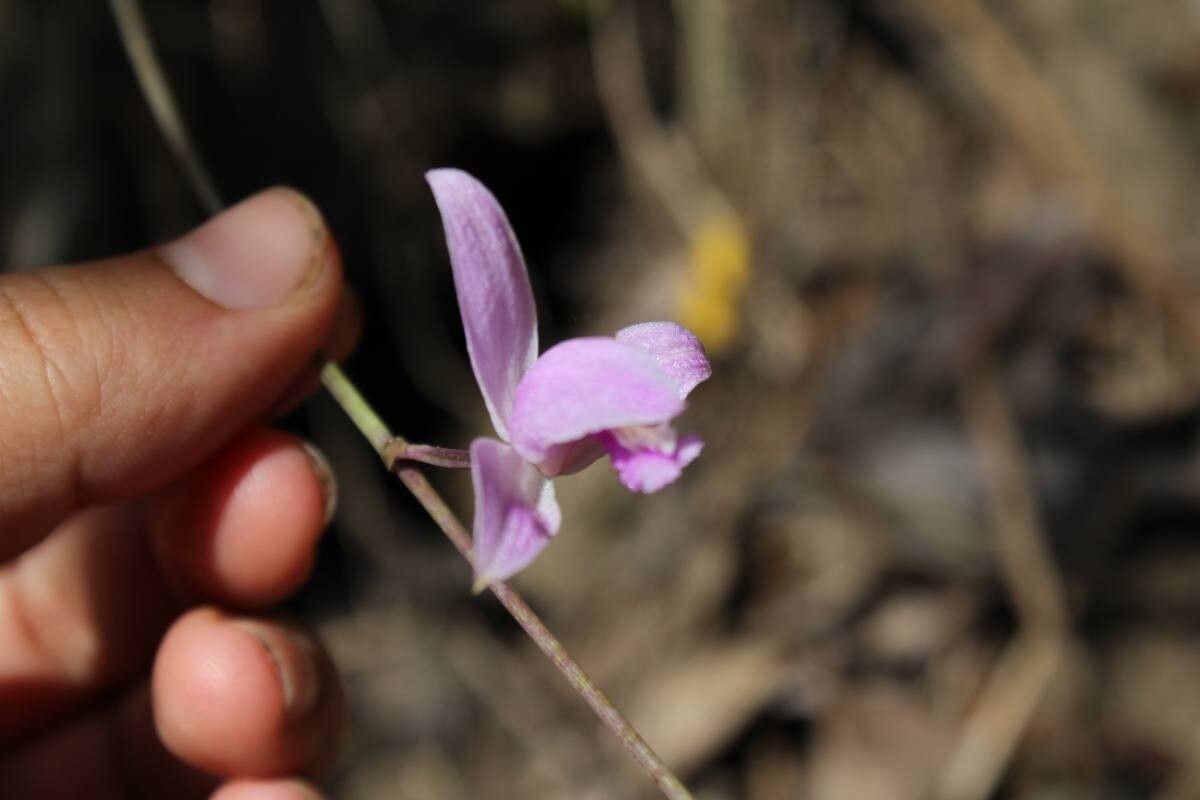
Hello, fellow plant lovers! It’s so lovely to have you here. Today, we’re diving into the wonderful world of Bletia purpurea, or as it’s affectionately known by many, the Pine Pink orchid. If you’ve ever seen these beauties gracing a garden with their vibrant magenta blooms, you know why they capture our hearts. Their elegant, arching flower spikes are simply stunning, and the fact that they aren’t fussy about being in the ground makes them a joy for many garden settings.
If you’re new to plant propagation, you might be wondering if Bletia purpurea is a good starting point. I’m happy to say, yes! While some orchids can be a bit intimidating, the Pine Pink is surprisingly forgiving. Propagating it is a really rewarding experience, and it’s a fantastic way to share these gorgeous plants with friends or simply expand your own collection without breaking the bank.
The Best Time to Start
For the highest success rates with Bletia purpurea, I find the sweet spot is late winter to early spring. This is typically just before the plant begins its active growth phase for the season. You’ll often see new shoots emerging from the base, which is a clear indicator that the plant is waking up and ready to produce new life. Waiting until after the flowering season is also a viable option, especially if you’re dividing rhizomes.
Supplies You’ll Need
Gathering your tools beforehand makes the whole process smoother. Here’s what I usually have on hand:
- Sharp, sterile pruning shears or a clean knife: Essential for making clean cuts to prevent disease.
- Well-draining potting mix: I often use a blend of orchid bark, perlite, and a bit of coco coir. You want something airy that won’t hold too much moisture.
- Small pots or containers: Terra cotta pots are great as they allow for good aeration.
- Rooting hormone (optional but helpful): Especially useful if you’re taking cuttings.
- Watering can with a fine rose: For gentle watering.
- Labels and a permanent marker: To keep track of what you’ve propagated and when.
- A tray or humidity dome (optional): To maintain consistent moisture.
Propagation Methods
Bletia purpurea is primarily propagated through division, which is my favorite and most successful method. It’s quite straightforward!
Division of Rhizomes:
- Gently excavate: This is best done when the plant is dormant or just starting to show new growth (remember our best time!). Carefully loosen the soil around the base of the plant.
- Lift and inspect: Gently lift the entire plant out of its pot or from the ground. You’ll see fleshy rhizomes, which are essentially underground stems, that have likely grown and branched over time. Look for sections that have at least one healthy eye or shoot.
- Make the cut: Using your sterile pruning shears or knife, carefully divide the rhizome. Make sure each division has at least one healthy eye and a good portion of the rhizome itself for energy. It’s okay if some roots are left attached to the division.
- Allow to callus: If you’ve made a significant cut, it’s a good idea to let the cut surfaces air dry for a day or two in a shaded, well-ventilated spot. This helps them form a protective callus, which reduces the risk of rot.
- Pot it up: Fill your small pots with your well-draining potting mix. Plant each division so the eye is facing upwards and the rhizome is just at or slightly below the surface of the soil. Don’t plant too deeply!
- Water sparingly: Give the newly potted divisions a light watering. The goal is to keep the soil lightly moist, not soggy.
The “Secret Sauce” (Pro Tips)
Here are a couple of things I’ve learned over the years that really make a difference:
- Don’t drown your babies: This is probably the most common mistake! Overwatering is the enemy of new orchid divisions. They have stored energy in their rhizomes, so they don’t need constant moisture. Let the potting mix dry out slightly between waterings. You can check by feeling the weight of the pot or by sticking your finger into the soil.
- Patience is paramount: Orchids, in general, can be slow growers. Don’t be discouraged if you don’t see immediate new growth. It can take weeks, sometimes even a couple of months, for new shoots to appear. Keep them in a bright spot with indirect light and focus on keeping them slightly moist, and they will reward you.
Aftercare & Troubleshooting
Once your Bletia purpurea divisions have started to show promising new growth – a little shoot emerging from the eye – you can adjust their care slightly.
- Light: Keep them in a bright spot with indirect sunlight. Direct sun can scorch their delicate new leaves.
- Watering: Continue to water when the top inch of soil feels dry. As the plant grows, you might need to water a bit more frequently, but always err on the side of caution.
- Temperature: Average room temperatures are usually fine. They appreciate a bit of warmth, but avoid extreme heat or cold drafts.
The most common sign of failure you might encounter is rot. If you see your rhizome turning mushy, black, or smelling foul, it’s likely succumb to rot, usually due to overwatering or a poorly draining mix. Discard any rotten material immediately to prevent it from spreading. If the rot is extensive, the division may not be salvageable.
A Encouraging Closing
Propagating Bletia purpurea is a journey, not a race. Be patient with your new plants, give them the right conditions, and celebrate every little bit of growth. There’s such a sense of accomplishment when you nurture a new plant from a division, and soon enough, you’ll have more of those beautiful magenta blooms to enjoy. Happy gardening!
Resource:
https://identify.plantnet.org/k-world-flora/species/Bletia%20purpurea%20(Lam.)%20A.DC./data