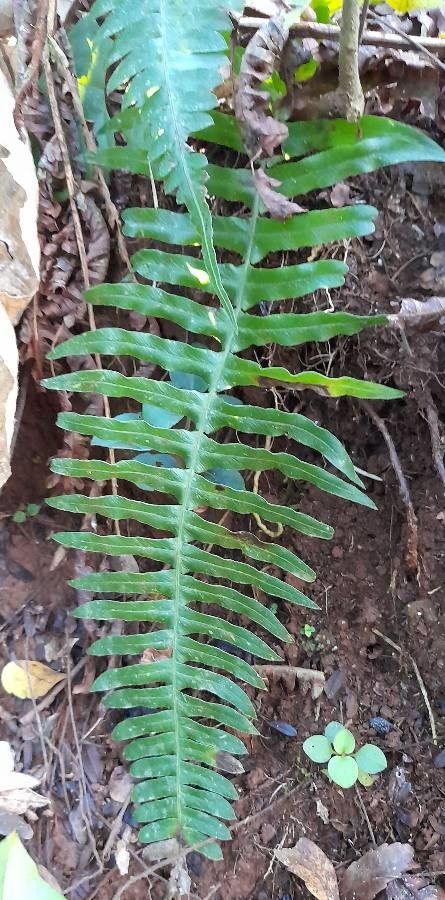
Hello, fellow plant lovers! I’m so excited to share a bit of my passion with you today. You know those ferns that look like they’ve stepped right out of a prehistoric jungle? That’s often how I feel when I see a gorgeous Blechnum austrobrasilianum. Its fronds unfurl with such drama, adding a tropical flair that can transform any shady corner. And the best part? You can bring this beauty into your life, and even share it, by propagating it yourself!
Now, I won’t lie and say it’s the absolute easiest fern to start from scratch, but it’s certainly not out of reach for a determined beginner. With a little patience and the right approach, you’ll be amazed at what you can achieve. Propagating new plants is one of the most rewarding experiences in gardening, and this magnificent fern is well worth the effort.
The Best Time to Start
For Blechnum austrobrasilianum, spring is your prime time. This is when the plant is actively growing after its dormancy period. You’ll see fresh, vigorous new fronds emerging, which are perfect for taking cuttings or dividing. Starting in spring gives your new propagations the most of the growing season to establish strong roots before cooler weather arrives.
Supplies You’ll Need
Here’s what I always have on hand when I’m ready to propagate:
- Sharp pruning shears or a clean knife: For making clean cuts.
- Well-draining potting mix: A mix of peat moss, perlite, and a bit of orchid bark works wonders for ferns. I often add a handful of horticultural charcoal too.
- Small pots or trays: Clean containers are crucial to prevent disease.
- Clear plastic bags or a propagation dome: To maintain humidity.
- Watering can with a fine rose: For gentle watering.
- Optional: Rooting hormone powder: Especially helpful if you’re feeling a bit nervous about root development.
Propagation Methods
Blechnum austrobrasilianum can be propagated in a couple of main ways, and I find one in particular to be my go-to.
Division (My Personal Favorite)
This is often the most successful and straightforward method for larger, established ferns.
- Gently unpot your fern. Be kind to the roots.
- Inspect the root ball. Look for natural divisions or areas where new growth is pushing away from the main plant. Sometimes, you can simply tease these apart with your hands. If it’s a bit stubborn, use your clean knife or shears to cut through the root ball, ensuring each division has good roots and at least one healthy frond.
- Pot up each division into its own container filled with your well-draining potting mix.
- Water thoroughly and place the pots in a brightly lit spot out of direct sun.
Stem Cuttings (A Little More Patience Required)
This method works best with young, vigorous shoots.
- Select a healthy, young frond that has just unfurled but is still a bit soft. You want to avoid old, woody stems.
- Using your sharp shears or knife, make a clean cut about an inch or two below a node (where a leaf attaches to the stem).
- Remove any lower leaves that might sit below the soil line.
- Dip the cut end into rooting hormone if you’re using it.
- Plant the cutting about an inch deep in your prepared potting mix.
- Water gently and cover the pot with a clear plastic bag or propagation dome.
The “Secret Sauce” (Pro Tips)
Here are a few things I’ve learned over the years that can really make a difference:
- Humidity is King (and Queen!): Ferns thrive in high humidity. When using the plastic bag or dome method for cuttings, don’t let the leaves directly touch the plastic. This can encourage rot. If they do, prop the bag up with a skewer or two.
- Bottom Heat is Your Best Friend: If you have a seedling heat mat, use it! Placing your pots on a gentle heat source can significantly speed up root development, especially for cuttings. It mimics the warmth of spring soil and really encourages those roots to form.
- Less is More with Water: While humidity is vital, avoid overwatering. You want the soil to be consistently moist, not soggy. Soggy soil is a fast track to root rot. Check the moisture by gently touching the surface of the soil.
Aftercare & Troubleshooting
Once you see signs of new growth or feel a gentle tug when checking for roots (usually after several weeks for division, possibly longer for cuttings), you’re on your way!
- Gradually acclimate your new plants to normal room humidity by opening the plastic bag or dome a little more each day.
- Keep them out of direct sunlight as their tender new roots are still developing and can burn easily.
- Watch out for rot! If your cuttings or divisions turn mushy, black, or develop dark spots, it’s likely due to too much moisture and poor air circulation. Unfortunately, you may have to discard them and try again, focusing on better drainage and air flow. Wilting can also be a sign of stress – ensure humidity is high.
A Little Encouraging Closing
Propagating plants, especially something as beautiful as Blechnum austrobrasilianum, is a journey. There will be successes, and there might be a few learning experiences along the way. Don’t get discouraged! Each attempt teaches you something new. Be patient, observe your plants closely, and enjoy the magic of nurturing new life. Happy gardening!
Resource: