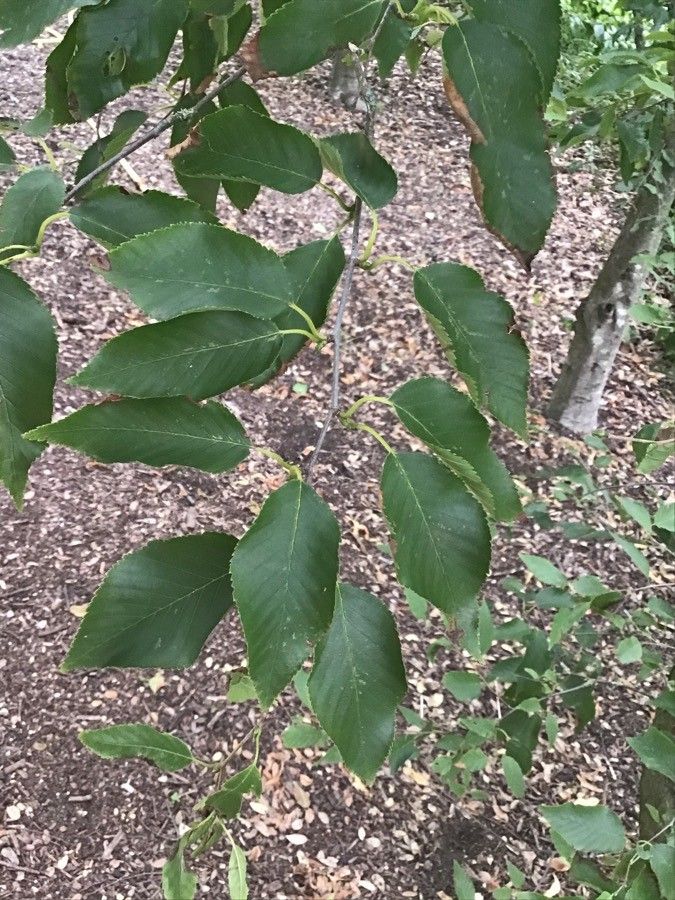
Hello fellow garden lovers! Today, we’re diving into the delightful world of Betula kweichowensis, or the Kweichow Birch. If you’ve ever admired its elegant, peeling bark – a symphony of creams, whites, and subtle pinks – and its graceful form as it matures, you’re not alone. Bringing a piece of this beauty into your own garden through propagation is surprisingly rewarding, and while it might present a slight learning curve, it’s absolutely achievable with a little care and patience. Don’t let the idea of propagating a tree intimidate you; it’s a journey I’ve loved taking many times over the years.
The Best Time to Start
For Betula kweichowensis, timing is everything. The sweet spot for taking cuttings is typically in late spring to early summer, just as the new growth has started to firm up a bit but is still flexible. This is when the plant has plenty of energy reserves to push out those new roots. You’re looking for stems that are semi-hardwood – they’ll snap cleanly, but have a bit of give. Avoid taking cuttings from very young, floppy green shoots or from wood that’s already completely hard and woody.
Supplies You’ll Need
Here’s what I usually gather before I get started:
- Sharp, clean pruning shears or a sharp knife: Essential for making clean cuts that heal well.
- Rooting hormone: A powdered or liquid hormone can give your cuttings a significant boost. I’ve found brands with IBA (Indole-3-butyric acid) work wonders.
- Small pots or seed trays: Clean ones are crucial to prevent disease.
- Well-draining potting mix: A blend of peat moss or coco coir, perlite, and a bit of compost is ideal. You want it to hold moisture but not get waterlogged.
- Plastic bags or a propagation dome: To create a humid microclimate.
- Spray bottle: For misting the cuttings.
- Optional: Heat mat: For providing bottom warmth, which can speed up rooting.
Propagation Methods: Stem Cuttings
This is my go-to method for Betula kweichowensis.
- Take Your Cuttings: Using your clean shears, select healthy, semi-hardwood stems from your parent tree. Aim for cuttings that are about 4-6 inches long. Make a clean cut just below a leaf node (where a leaf attaches to the stem) – this is where the magic happens for root development. Remove the lower leaves, leaving only two or three at the very top.
- Prepare the Cuttings: Dip the cut end of each stem into your rooting hormone. Tap off any excess.
- Plant the Cuttings: Fill your pots or trays with your prepared potting mix and lightly moisten it. Make a small hole in the mix with a pencil or your finger, then insert the prepared cutting, ensuring the leaf nodes are covered by the soil. Gently firm the soil around the stem.
- Create Humidity: Water the soil lightly. Then, cover the pots with a plastic bag, securing it around the rim with a rubber band, or place them under a propagation dome. Ensure the leaves don’t touch the sides of the plastic bag if possible.
- Find a Suitable Spot: Place your cuttings in a spot with bright, indirect light. Avoid direct sun, which can scorch the delicate cuttings.
The “Secret Sauce” (Pro Tips)
Over the years, I’ve learned a few tricks that often make the difference:
- Bottom Heat is Your Friend: Betula often respond beautifully to a little warmth from below. Placing your pots on a seedling heat mat can significantly speed up root formation and increase your success rate. It mimics the feeling of being naturally nestled into the soil.
- Don’t Over-Mist, But Don’t Let Them Dry Out: While humidity is key, soggy leaves can lead to rot. I like to mist them once a day, or even every other day, depending on the ambient humidity. Feel the soil – it should be consistently moist but not waterlogged. If you see condensation dripping heavily inside the bag, air it out for a few minutes.
- Be Patient with the Bark: For a tree like birch, sometimes root development can be a little slower compared to herbaceous plants. Don’t be discouraged if you don’t see roots immediately. Give them at least 4-8 weeks, and sometimes longer. Gently tugging on a cutting to see if there’s resistance is a subtle way to check for roots without disturbing them too much.
Aftercare & Troubleshooting
Once you start seeing new leaf growth or feel some resistance when gently tugging on the cutting, it’s a good sign that roots are forming!
At this point, you can gradually acclimate them to less humid conditions. Start by opening the plastic bag or dome for a few hours each day, slowly increasing the time until they are fully uncovered. Continue to keep them in bright, indirect light. Water them carefully when the top inch of soil feels dry. Keep them in their propagation pots until they are well-established and the root system fills the pot.
The most common sign of trouble is rot. If your cuttings turn black and mushy, it’s usually due to overwatering and poor air circulation. If you see this, remove the affected cutting immediately to prevent it from spreading. Ensure your soil mix is airy and don’t be tempted to overwater, especially when they are waiting for roots.
A Little Patience Goes a Long Way
Propagating Betula kweichowensis is a wonderful way to multiply the beauty of these trees. It takes a bit of observation and care, but the feeling of seeing your own little birch sapling thrive is truly special. Don’t be discouraged if your first few attempts aren’t perfect – gardening is all about learning and adapting. Enjoy the process, and soon you’ll have your own little piece of the Kweichow Birch to nurture and watch grow! Happy gardening!
Resource:
https://identify.plantnet.org/k-world-flora/species/Betula%20kweichowensis%20Hu/data