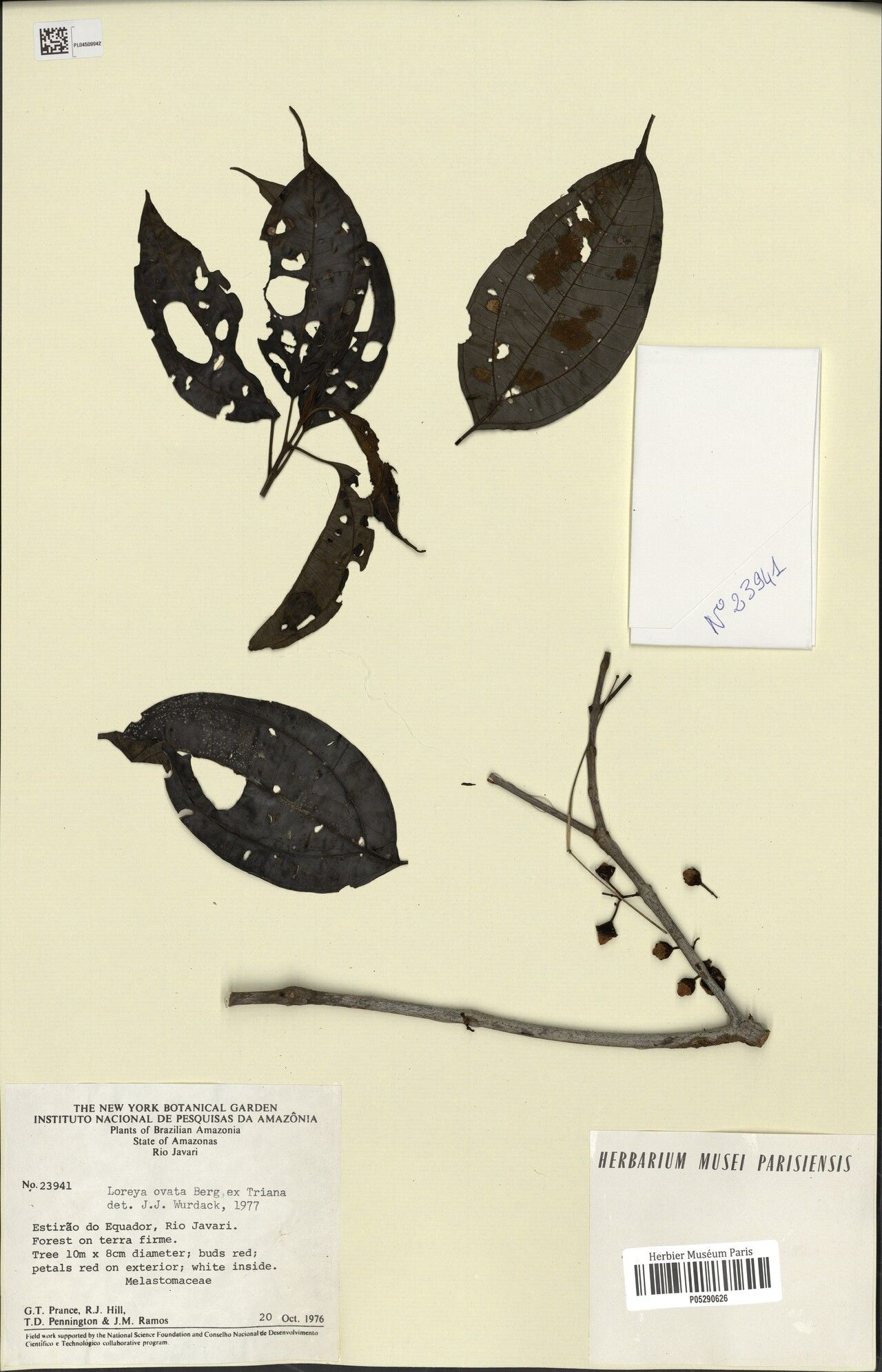
Hey there, fellow plant enthusiasts! I’m so excited to chat with you today about a truly special plant: Bellucia ovata. If you’re looking to add a touch of the exotic to your garden or indoor jungle, this one’s a stunner. Its large, velvety leaves are just incredible, and when it blooms – oh my, those flowers are a sight to behold!
Now, you might be wondering if it’s a cinch to propagate. Honestly, Bellucia ovata can be a bit of a diva. It’s not the easiest plant for an absolute beginner, but with a little patience and the right approach, it’s incredibly rewarding when you succeed. Seeing a new little plant emerge from a cutting you nurtured? Pure magic!
The Best Time to Start
Timing is everything in the gardening world, and it’s especially true for propagation. For Bellucia ovata, spring and early summer are your golden windows. This is when the plant is actively growing and has the energy it needs to put forth new roots. Think of it as the plant waking up after a winter slumber; it’s ready to stretch and expand. Starting outside of this active growth phase can lead to slower rooting, or no rooting at all.
Supplies You’ll Need
Get your tools ready! Having everything on hand makes the process so much smoother.
- Sharp Pruning Shears or a Clean Knife: For taking clean cuts. It’s crucial that these are sterilized to prevent disease. A quick wipe with rubbing alcohol will do the trick.
- Rooting Hormone (Optional but Recommended): This isn’t strictly necessary for every plant, but for Bellucia ovata, it can give you a significant edge. Look for a powder or gel specifically formulated for cuttings.
- Well-Draining Potting Mix: A good blend would be about 50% perlite and 50% high-quality potting soil. Some gardeners also like to add a bit of orchid bark for extra aeration.
- Small Pots or Propagation Trays: Clean, small pots are best for cuttings. They don’t need to be large until the plant is well-established.
- Clear Plastic Bag or Dome: This is your mini-greenhouse! It helps maintain humidity, which is vital for succulent-type cuttings to root.
- Water: For the water propagation method.
Propagation Methods
Let’s get our hands dirty! I find stem cuttings to be the most reliable for Bellucia ovata.
Method: Stem Cuttings
- Choose Your Cutting: Look for a healthy, vigorous stem that isn’t flowering. You want a piece that has at least two or three sets of leaves. Aim for a cutting about 4-6 inches long.
- Make the Cut: Using your sterilized pruners or knife, make a clean cut just below a leaf node (that little bump where a leaf grows from the stem). This is where the magic of rooting is most likely to happen.
- Prepare the Cutting: Gently remove the lower leaves from the cutting, leaving just two or three leaves at the top. The nodes you expose will be the ones that go into the soil.
- Apply Rooting Hormone (If Using): Dip the cut end of the stem into your rooting hormone. Tap off any excess.
- Plant Your Cutting: Fill your small pot with your well-draining potting mix. Make a small hole in the center with your finger or a pencil.
- Insert and Firm: Gently place the cut end of the stem into the hole. Firm the soil gently around the base of the cutting to ensure good contact.
- Water Gently: Water the soil lightly until it’s moist but not waterlogged.
- Create the Greenhouse: Place the pot inside a clear plastic bag, ensuring the leaves don’t touch the sides of the bag if possible. You can use stakes to prop it up. Seal the bag, or place a clear dome over the pot.
Method: Water Propagation (A Bit Trickier for Bellucia but Possible!)
- Prepare the Cutting: Follow steps 1-3 from the stem cutting method. Remove lower leaves, ensuring the nodes involved are NOT submerged.
- Place in Water: Put the prepared cutting in a clean jar or vase filled with fresh, room-temperature water. Crucially, ensure that no leaves are submerged in the water. Only the stem, and perhaps the very tips of the nodes you exposed, should be in contact with the water.
- Change Water Regularly: This is key! Change the water every 2-3 days to keep it fresh and prevent bacterial growth. You’ll want to see the water stay clear.
- Wait for Roots: Be patient! You’ll start to see tiny white roots emerging from the nodes. This can take several weeks.
The “Secret Sauce” (Pro Tips)
Here are a couple of things I’ve learned over the years that can really make a difference.
- Bottom Heat is Your Friend: If you’re struggling with slower rooting, a propagation mat is a game-changer. It provides gentle bottom heat, mimicking the warmth of spring and encouraging root development. This is especially helpful if your home is on the cooler side.
- Don’t Overwater the Soil: This is a common mistake. While humidity is essential, soggy soil is a fast track to rot. Let the top inch of soil dry out slightly between waterings before you mist the inside of the bag or dome. The goal is moist, not wet.
Aftercare & Troubleshooting
Once you see those little white roots poking out of the drainage holes (a glorious sight!), it’s time for some tender loving care.
- Acclimate Slowly: Gradually introduce your new plant to less humid conditions. For the first week after you see roots, open the plastic bag for a few hours each day.
- Potting Up: Once you have a good network of roots, gently transplant your new Bellucia ovata into its own pot with your regular potting mix. Water it in well.
- Common Issues: The biggest enemy is rot. If your cutting turns mushy or black, it’s likely due to too much moisture or a lack of air circulation, coupled with disease. If you see this, unfortunately, the cutting is probably lost. A slightly shriveled cutting might be okay if there’s no rot, but don’t despair if it doesn’t make it. Sometimes, nature just doesn’t cooperate!
A Encouraging Closing
So there you have it! Propagating Bellucia ovata is a journey, and like all good journeys, it requires patience and a bit of faith. Don’t be discouraged if your first attempt isn’t a resounding success. Each plant, each cutting, is a learning experience. Enjoy the process, celebrate every sign of life, and before you know it, you’ll be admiring your very own homegrown Bellucia ovata. Happy propagating!
Resource: