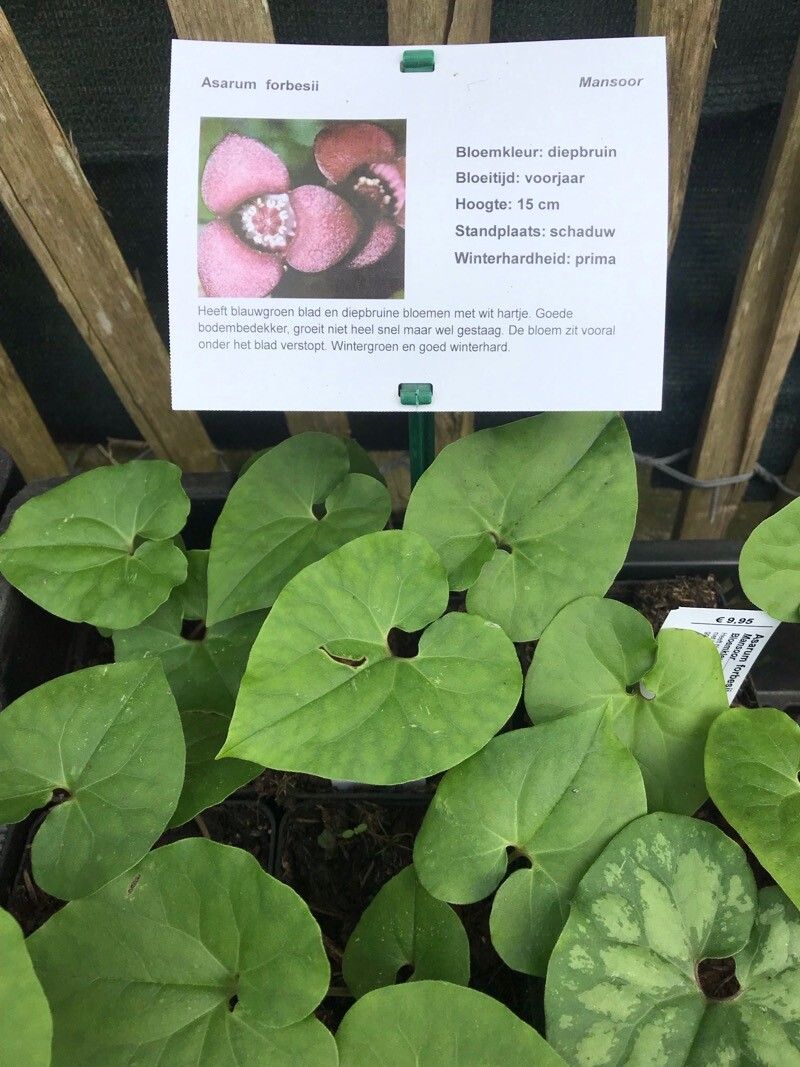
Oh, hello there! I’m so glad you’ve found your way to my little corner of the gardening world. Today, we’re going to dive into the charming world of Asarum forbesii, also known as the Chinese wild ginger. If you’re looking for a bit of woodland magic for your shady spots – something with beautifully patterned leaves that just adds a touch of understated elegance – then this is the plant for you.
Propagating Asarum forbesii is an incredibly rewarding project. Watching a tiny piece of your prized plant grow into a new, independent beauty? It’s simply wonderful! Now, I won’t sugarcoat it; it’s not the easiest plant to propagate for a complete beginner if you’re aiming for stem cuttings. Division, however, is much more forgiving. But with a little patience and a few of my tried-and-true methods, you’ll be well on your way.
The Best Time to Start
For the highest success rates, the sweet spot for propagating Asarum forbesii is late spring to early summer. This is when the plant is actively growing and has plenty of energy to put into developing new roots. You want to catch it before it gets too hot and humid, which can sometimes lead to rot issues.
Supplies You’ll Need
Gathering your tools beforehand makes the whole process much smoother. Here’s what I always have on hand:
- Sharp Pruning Shears or a Clean Knife: For making clean cuts.
- Well-Draining Potting Mix: A good blend for woodland plants works best. I often use a mix of equal parts peat moss, perlite, and orchid bark.
- Small Pots or Seed Trays: With drainage holes, of course!
- Rooting Hormone (Optional but Recommended for Cuttings): A powder or gel will do.
- Watering Can with a Fine Rose: For gentle watering.
- Plastic Bags or Dome Lids: To create a humid environment.
- Labeling Sticks and a Pen: So you don’t forget what you’ve planted!
- A Small Trowel or Dibber: For making holes for planting.
Propagation Methods
There are a couple of ways we can encourage new Asarum forbesii plants.
Method 1: Division (The Most Beginner-Friendly!)
This is my go-to for Asarum because it’s so robust.
- Gently Excavate: Carefully dig up your existing Asarum forbesii plant. Try to disturb the root ball as little as possible, but don’t be afraid to loosen it.
- Inspect the Rhizomes: Look for the thick, creeping stems (rhizomes) of the plant. These are where new growth will emerge.
- Separate: Using your hands or a clean, sharp knife, gently pull or cut the rhizomes apart. Make sure each division has at least one healthy eye or a small shoot and some root attached.
- Pot Up: Plant each division in its own small pot filled with your good potting mix. Bury the rhizome just enough so it’s covered by about an inch of soil.
- Water Gently: Water thoroughly but gently until water runs out the drainage holes.
Method 2: Stem Cuttings (A Bit More Patience Required)
This method takes a bit more finesse, but it’s very satisfying.
- Select Your Cuttings: Choose healthy stems that are not flowering. Look for stems that are slightly firm but not woody. They should be about 3-4 inches long.
- Make the Cut: Using your sharp shears, make a clean cut just below a leaf node (where a leaf attaches to the stem).
- Prepare the Cutting: Gently pinch off any lower leaves, leaving only the top two or three leaves. If the leaves are very large, you can even cut them in half to reduce water loss.
- Apply Rooting Hormone (Optional): Dip the cut end of the stem into your rooting hormone. Tap off any excess.
- Plant the Cuttings: Fill your small pots or trays with your well-draining mix. Make a small hole with a dibber or your finger and insert the cutting. Firm the soil gently around the base of the stem.
- Create Humidity: Water gently and then cover the pot with a plastic bag or a clear dome lid. This is crucial for keeping the humidity high around the cuttings.
The “Secret Sauce”
Here are a couple of things I’ve learned over the years that make a big difference:
- For Stem Cuttings: Keep the Leaves DRY! This is super important. If you’re water propagating (though I prefer soil for Asarum), make absolutely sure no leaves touch the water. They’ll just rot. In soil, the same principle applies – if you’re misting, try to mist the air around the cuttings, not directly onto the leaves.
- Bottom Heat is Your Friend (for Cuttings): If you can, place your pots of cuttings on a heat mat designed for plants. This gentle warmth from below encourages root development without drying out the top of the soil too quickly.
Aftercare & Troubleshooting
Once your Asarum forbesii has settled in, whether divided or from a cutting, treat it like its parent plant.
- Watering: Keep the soil consistently moist but not waterlogged. This is the most critical factor. Overwatering is the quickest way to invite rot.
- Light: Place your new plants in a shady location. Direct sun will scorch those delicate leaves.
- Patience: For divisions, you’ll see new growth relatively quickly. For cuttings, be patient! It can take 4-8 weeks, sometimes longer, for roots to form. You can gently tug on a cutting – if there’s resistance, roots are forming.
- Troubleshooting – The Dreaded Rot: If your cuttings turn mushy, black, or slimy, it’s usually a sign of too much moisture and not enough air circulation. Unfortunately, once rot sets in, it’s hard to save them. This is where using that well-draining soil and ensuring good airflow (by opening the humidity dome for a bit each day if the humidity is very high) comes in. If a division looks sickly, check the rhizomes for mushiness. Remove any rotten parts and repot in fresh, drier soil if possible.
A Encouraging Closing
So there you have it! Propagating Asarum forbesii is a journey, and like all good gardening projects, it’s about observing, learning, and being a little patient. Don’t be discouraged if your first attempt isn’t perfect. Each plant and each season brings new lessons. Just enjoy the process, celebrate the successes, and soon you’ll have a whole woodland floor of these beautiful wild gingers to admire! Happy growing!
Resource:
https://identify.plantnet.org/k-world-flora/species/Asarum%20forbesii%20Maxim./data