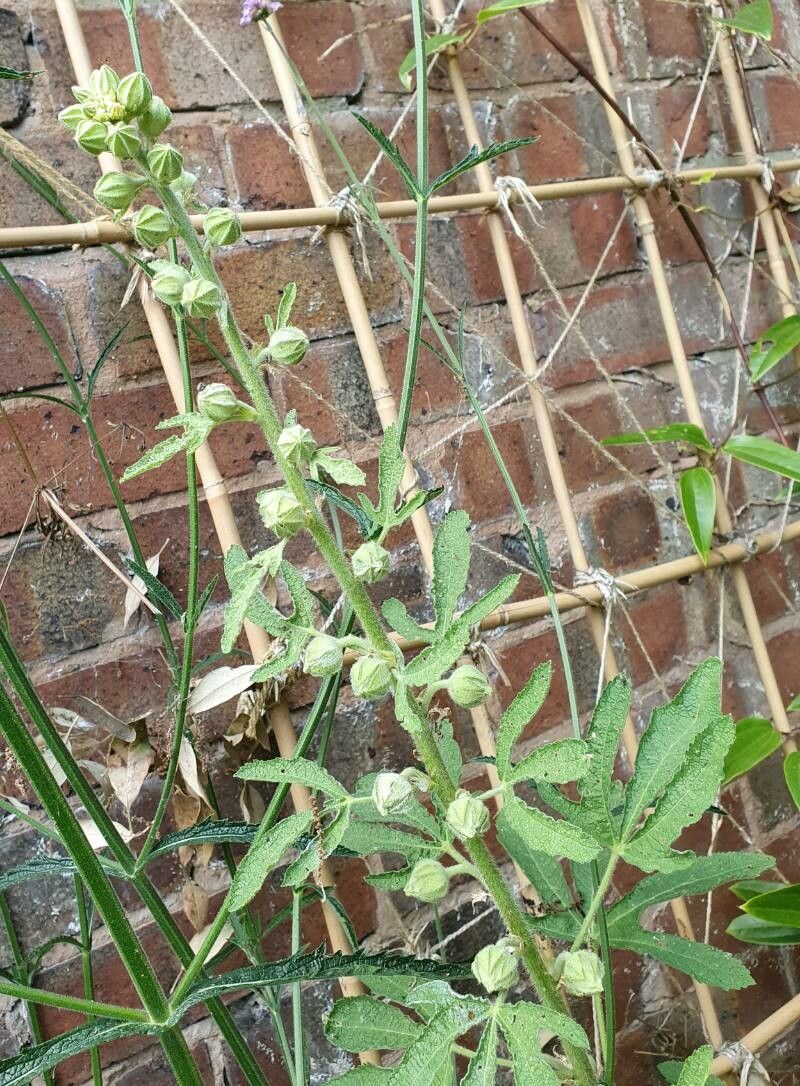
Oh, hello there! It’s so lovely to have you join me for a chat about the wonderful world of plants. Today, we’re diving into a bit of plant magic – propagation! And our star for the day is none other than Alcea ficifolia, often called the Fig-leaved Hollyhock.
Why Propagate Alcea ficifolia?
Honestly, I just adore Alcea ficifolia. Those beautiful, somewhat architectural leaves are a treat on their own, and then you get those gorgeous, hollyhock-style blooms in a stunning array of colors. It’s a taller plant, giving your garden vertical interest, and the flowers are just a magnet for bees and butterflies. Propagating these beauties means you get to share them with friends, fill more of your own garden spaces, or even just have the satisfaction of creating new life from an existing plant. And for those of you just starting your gardening journey, I’d say Alcea ficifolia is moderately easy to propagate, especially with a few key pointers.
The Best Time to Start
When’s the magic window for propagating Alcea ficifolia? You’ll likely have the most success if you start in late spring or early summer, right after the plant has finished its main blooming period. This is when the plant is actively growing and has a good supply of energy to put into developing new roots. Don’t rush it if your plant is still putting on a stellar show; wait until it’s winding down.
Supplies You’ll Need
Gathering your tools beforehand makes the whole process so much smoother. Here’s what I always have on hand:
- A sharp, clean pruning shear or knife. Sterilize it with rubbing alcohol before and after use to prevent disease.
- Well-draining potting mix. I usually use a 50/50 blend of perlite and a good quality potting soil.
- Small pots or seed trays. Make sure they have drainage holes!
- Rooting hormone (optional, but helpful). A powdered hormone is my go-to.
- A plastic bag or propagation dome. This helps create a humid environment.
- Water. For misting and watering.
- Labels to keep track of what you’ve planted!
Propagation Methods for Alcea ficifolia
While you can sometimes get seeds from Alcea ficifolia, I find that propagation from cuttings or division offers a more reliable way to get new plants that are true to the parent.
Stem Cuttings
This is my preferred method for Alcea ficifolia.
- Take Cuttings: Using your sterilized shear, take 4-6 inch cuttings from healthy stems. Look for stems that are semi-hardwood – not brand new and floppy, but not old and woody either. Gently trim off any lower leaves, leaving just a few at the top.
- Prepare the Cutting: If you’re using rooting hormone, dip the cut end into the powder, tapping off any excess.
- Plant the Cutting: Fill your small pots with your prepared potting mix. Make a small hole with your finger or a pencil, and gently insert the cutting. Firm the soil around the stem.
- Create Humidity: Water the soil gently. Then, cover the pot with a clear plastic bag or place it on a tray and cover it with a propagation dome. This traps moisture, which is crucial for encouraging root development.
- Provide Light and Warmth: Place the potted cuttings in a bright spot, but out of direct, harsh sunlight. A little warmth from a heat mat can speed things up, but it’s not strictly necessary if you have a warm windowsill.
Division
If you have an established Alcea ficifolia plant that’s looking a bit crowded, or you’re transplanting it, dividing it can be a great way to get new plants.
- Dig Up the Plant: In early spring or fall, carefully dig up the entire plant. Try to disturb the roots as little as possible.
- Inspect and Divide: Gently shake off excess soil. You’ll likely see multiple stems emerging from a central root ball. Using your hands or a clean trowel, gently pull or cut the root ball apart into sections, ensuring each section has some healthy roots and at least one or two stems.
- Replant: Immediately replant the divisions into their new locations, whether in the ground or in pots. Water them thoroughly.
The “Secret Sauce”
Here are a couple of tricks I’ve learned over the years that really boost your success rates:
- Don’t Drown Your Cuttings: When watering, aim for consistently moist, not soggy, soil. Soggy conditions are a fast track to root rot. A good fingertip test – if the top inch of soil feels dry, it’s time to water.
- Bottom Heat is Your Friend (for cuttings): If you’re doing stem cuttings, popping them on a gentle heat mat really encourages root formation from below. It mimics the warmth of spring soil and gives those root initials a kick-start.
- Prune for Bushiness: Once your cuttings or divisions start to show new growth, I like to pinch back the growing tips. This encourages the plant to branch out and become bushier, rather than leggy and thin.
Aftercare & Troubleshooting
Once you start seeing new leaves emerge, that’s a great sign!
- Gradual Acclimation: If you used a plastic bag or dome, slowly start to introduce your new plants to drier air by opening the bag a little more each day, or removing the dome for longer periods. This prevents shock.
- Watering: Continue to water consistently, allowing the topsoil to dry slightly between waterings.
- Feeding (eventually): Once your plants are established and putting on good growth, you can start a very diluted liquid fertilizer program, perhaps once a month during the growing season.
Now, what about when things go wrong? The most common culprit is root rot. If your cuttings are wilting, turning yellow, and feel mushy at the base, rot is likely the issue. This usually means too much moisture and not enough air circulation. Unfortunately, often there’s no coming back from this, so learn from it and try again with drier conditions and better drainage next time. If a division or cutting simply doesn’t grow, it might just not have taken. It happens! There’s always another season and another cutting to try.
A Little Patience Goes a Long Way
Propagating plants is a bit of a dance with nature. Some days it feels like magic happens overnight, and other times it feels like a slow, quiet waiting game. Be patient with your Alcea ficifolia cuttings and divisions. Give them the right conditions, offer them a littleencouragement, and then step back and let them do their thing. The joy of nurturing a new plant from a parent is truly one of gardening’s greatest pleasures. Happy propagating!
Resource:
https://identify.plantnet.org/k-world-flora/species/Alcea%20ficifolia%20L./data