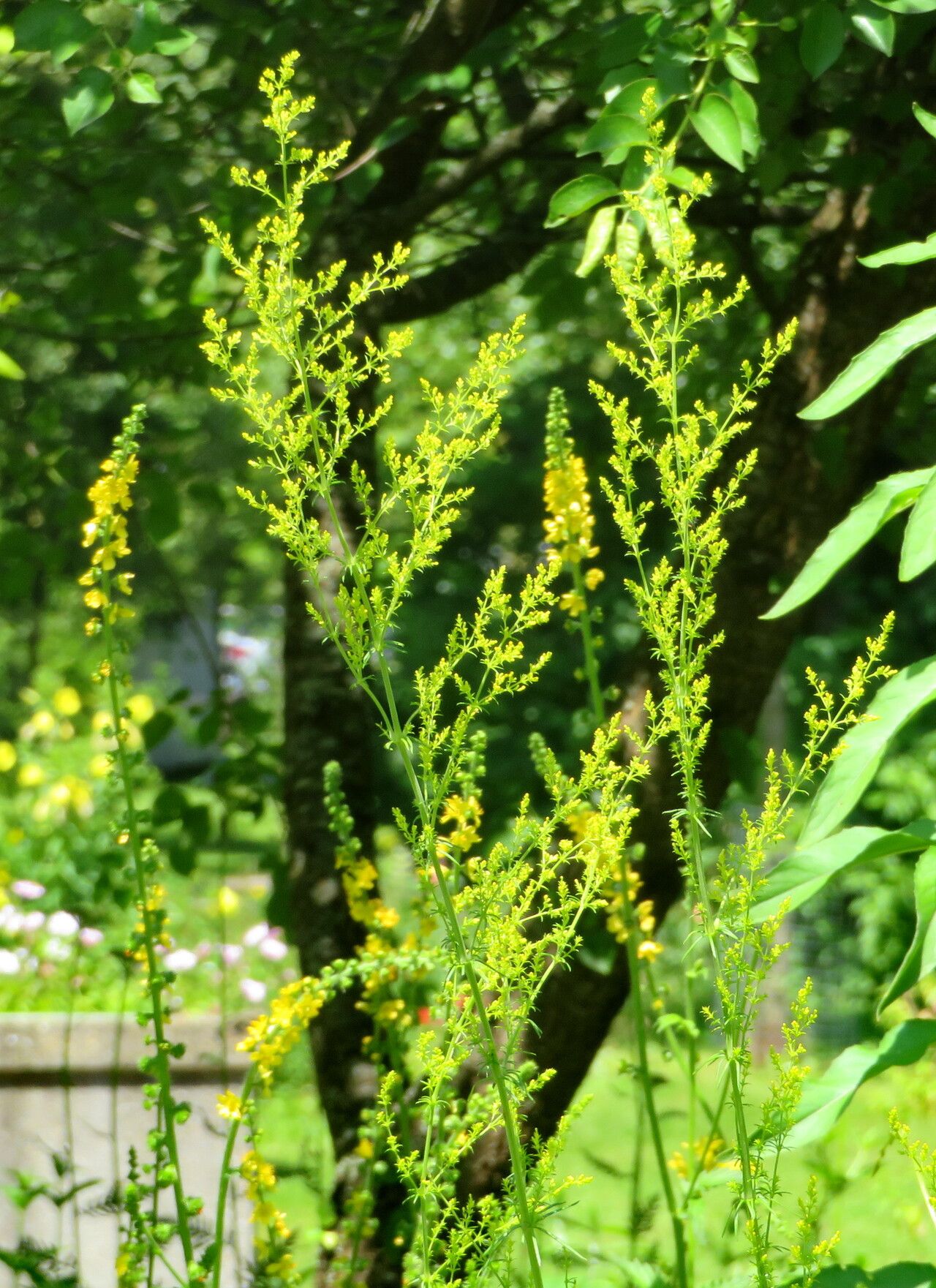
Hello there, fellow plant enthusiasts! If you’ve ever admired the silvery foliage and gentle fragrance of Artemisia afra, you’re in for a treat. This wonderful plant, also known as African Wormwood, brings such a lovely texture and aroma to any garden. And the best part? It’s surprisingly easy to share its beauty!
Propagating Artemisia afra is a truly rewarding experience. It’s a fantastic way to fill your garden beds, create lovely fragrant bundles for your home, or even share with friends. Now, if you’re just starting out on your propagation journey, don’t you worry. This feisty little plant is quite forgiving, making it a great choice for beginners.
The Best Time to Start
For the highest success rate, I find spring is absolutely the golden season. When the plant is actively growing and the days are getting longer and warmer, that’s prime time. Taking cuttings after the last frost but before the intense heat of summer usually gives the best results. You can sometimes get away with it in early autumn too, but spring just feels like a fresh start for everyone, including your new plants.
Supplies You’ll Need
Before we get our hands dirty, let’s gather our tools. A little preparation goes a long way!
- Sharp pruning shears or a clean knife: For taking clean cuts.
- Small pots or seed trays: Choose something with drainage holes, of course.
- Well-draining potting mix: A mix of potting soil, perlite, and a touch of sand works wonders.
- Rooting hormone (optional but recommended): This can give your cuttings a little boost.
- Plastic bag or propagator cover: To create a humid environment.
- Watering can or spray bottle: For gentle watering.
Propagation Methods
Let’s dive into how we can multiply our Artemisia afra.
Stem Cuttings
This is my go-to method for Artemisia afra. It’s straightforward and usually yields great results.
- Take Your Cuttings: On a bright morning, select healthy, non-flowering stems from your established plant. Using your clean shears, take cuttings that are about 4-6 inches long. Make a clean, angled cut just below a leaf node. This is where new roots are most likely to form.
- Prepare the Cuttings: Gently remove the lower leaves from your cuttings, leaving just a few at the top. This prevents them from rotting in the soil and focuses the plant’s energy on root development. If you’re using rooting hormone, dip the cut end into it now, tapping off any excess.
- Pot Them Up: Fill your small pots with your well-draining potting mix. Make a hole in the center of the soil with your finger or a pencil. Carefully insert the cut end of your Artemisia afra cutting into the hole, ensuring the leaf nodes are buried. Gently firm the soil around the cutting.
- Create Humidity: Water the soil lightly. Then, cover the pot with a clear plastic bag or place it in a propagator. This traps moisture around the cuttings, creating that humid environment they crave to encourage root growth.
Water Propagation
If you’re curious and want to watch the magic happen, water propagation is fun!
- Take Cuttings: Similar to stem cuttings, take 4-6 inch cuttings from healthy stems, making sure to cut just below a leaf node.
- Remove Lower Leaves: Again, strip away the lower leaves, leaving just a few at the top.
- Place in Water: Fill a small jar or glass with clean, room-temperature water. Place your Artemisia afra cuttings in the water, making sure the leaf nodes are submerged, but importantly, the remaining leaves are not touching the water. As these leaves rot, they can infect the stem.
- Find a Bright Spot: Place the jar in a location that receives bright, indirect light. Change the water every few days to keep it fresh.
The “Secret Sauce” (Pro Tips)
Here are a couple of things I’ve learned over the years that really make a difference:
- Bottom Heat is Your Friend: If you have a heat mat or are propagating indoors, providing a little gentle warmth from below can significantly speed up root formation. It mimics the natural warmth of spring and encourages those roots to get going.
- Patience with the Leaves: When you’ve got your cuttings in pots, resist the urge to tug at them to see if they have roots! You’ll know they’re ready when you see new growth appearing at the top. This is a much more reliable indicator than a tentative pull.
Aftercare & Troubleshooting
Once you see signs of life – usually new shoots or a gentle tug that meets resistance – your Artemisia afra is beginning to root!
- Acclimatize: If your cuttings were under plastic, gradually introduce them to your regular garden conditions over a week or so. Start by opening the bag a little each day, then remove it for longer periods.
- Watering: Water your newly potted plants when the top inch of soil feels dry to the touch. Water propagation babies just need their water changed regularly.
- Planting Out: Once they’re well-rooted and acclimatized, you can plant them in their permanent homes in the garden, spacing them appropriately.
A common issue is rot. If a cutting turns black and mushy, it’s usually because of too much moisture and not enough air circulation. Ensure your soil mix is very well-draining and don’t overwater. In water propagation, the issue is often keeping the leaves out of the water and changing it regularly. Don’t be discouraged if a few don’t make it; that’s part of the learning process!
So there you have it! Give these methods a try. Gardening is all about experimentation and patience. Watch your little Artemisia afra plants grow, and enjoy the process of bringing more of this beautiful plant into your world. Happy propagating!
Resource:
https://identify.plantnet.org/k-world-flora/species/Artemisia%20afra%20Jacq.%20ex%20Willd./data