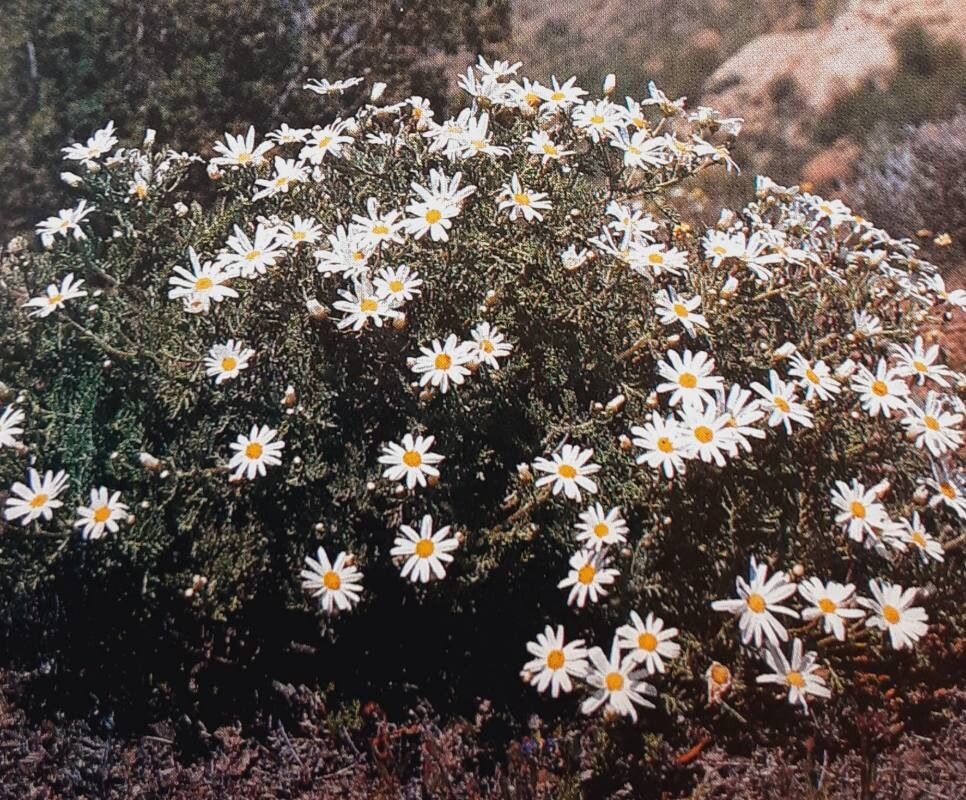
Hello fellow plant lovers! It’s so lovely to have you over for a virtual cuppa. Today, we’re diving into the wonderful world of Argyranthemum adauctum, often called the Marguerite daisy. These cheerful blooms, with their classic daisy shape and often ruffled petals, bring so much joy to any garden or pot. They’re fantastic for adding splashes of vibrant color all season long, and the best part? They’re surprisingly easy to get more of! For beginners, this is a truly rewarding plant to try propagating.
The Best Time to Start
My favorite time to get my hands dirty with Argyranthemum adauctum is in the late spring or early summer. Think about it: the plant is in full growth mode, buzzing with energy, and has plenty of healthy new stems to offer. This vibrant energy really gives your cuttings the best fighting chance to root successfully.
Supplies You’ll Need
Gathering your tools ahead of time makes the whole process smoother. Here’s what I always have on hand:
- Sharp pruning shears or secateurs: Clean cuts are key for healthy propagation.
- Rooting hormone (optional but recommended): This can give cuttings a significant boost.
- Small pots or trays: Clean, well-draining pots are essential.
- A good quality potting mix: I like to use a mix that’s light and airy. A blend of equal parts peat moss or coco coir and perlite works wonders. This ensures good drainage and aeration for young roots.
- Watering can or spray bottle: Gentle watering is crucial.
- A clear plastic bag or propagation dome: To create a humid environment.
Propagation Methods
Let’s get down to business! Happily, Argyranthemum adauctum is a champion at growing from stem cuttings. It’s my go-to method for these beauties.
Stem Cuttings:
- Select your stems: Look for healthy, non-flowering shoots. You want young, flexible stems, not old woody ones. Aim for cuttings that are about 4-6 inches long.
- Make the cut: Using your clean, sharp shears, cut just below a leaf node. This is where the magic happens, where roots are most likely to form.
- Prepare the cutting: Gently remove the lower leaves from the bottom half of the cutting. You can leave the top few leaves to help with photosynthesis. If your cutting is very long, you can even snip the remaining leaves in half horizontally to reduce water loss.
- Apply rooting hormone (optional): If you’re using it, dip the cut end of the stem into the rooting hormone powder or gel. Tap off any excess.
- Pot them up: Fill your small pots or trays with your prepared potting mix. Make a small hole in the center with your finger or a pencil, and gently insert the cutting. Firm the soil around the base to ensure good contact.
- Water gently: Give them a light watering to settle the soil.
- Create humidity: Cover the pots with a clear plastic bag or a propagation dome. This traps moisture and creates a mini-greenhouse effect. Make sure the plastic doesn’t touch the leaves too much – you can use little twigs to prop it up if needed.
- Place them in bright, indirect light: Find a spot that gets plenty of light but no direct, harsh sun, which can scorch the tender cuttings.
The “Secret Sauce”
Here are a couple of my little tricks that have made a world of difference:
- Don’t let leaves touch the water: If you’re tempted to try water propagation (which I generally avoid for Argyranthemums as they can get leggy), make sure no leaves are submerged. They’ll just rot and can spread that rot to the rest of the cutting.
- Bottom heat is a game-changer: If you have a heat mat, place your pots on it. This gentle warmth from below encourages root development in a way that’s hard to achieve otherwise. It really speeds things up!
Aftercare & Troubleshooting
Once your cuttings have started to root – usually in 3-6 weeks – you’ll see new growth emerging from the top. You can gently tug on a cutting to feel for resistance, which indicates roots have formed.
- Acclimize them: Once roots are established, gradually remove the plastic cover over a few days to let the new plants get used to normal humidity.
- Move to slightly larger pots: When they’re big enough to handle, you can transplant them into slightly larger pots with their regular potting mix.
- Watch for rot: The biggest enemy here is overwatering and poor drainage. If your cuttings look mushy or black at the base, it’s likely rot. If you catch it early, you might be able to save it by cutting away the rotten parts and repotting in fresh, dry mix, but often it’s a lost cause. Prevention is key! Ensure good air circulation and that the soil isn’t constantly waterlogged.
There you have it! Propagating Argyranthemum adauctum is a truly delightful way to multiply your favorite blooms. Be patient with your little greenlings. Some will take off faster than others, and that’s perfectly okay. Enjoy the process of nurturing new life – it’s one of the most satisfying parts of gardening, don’t you think? Happy propagating!
Resource: