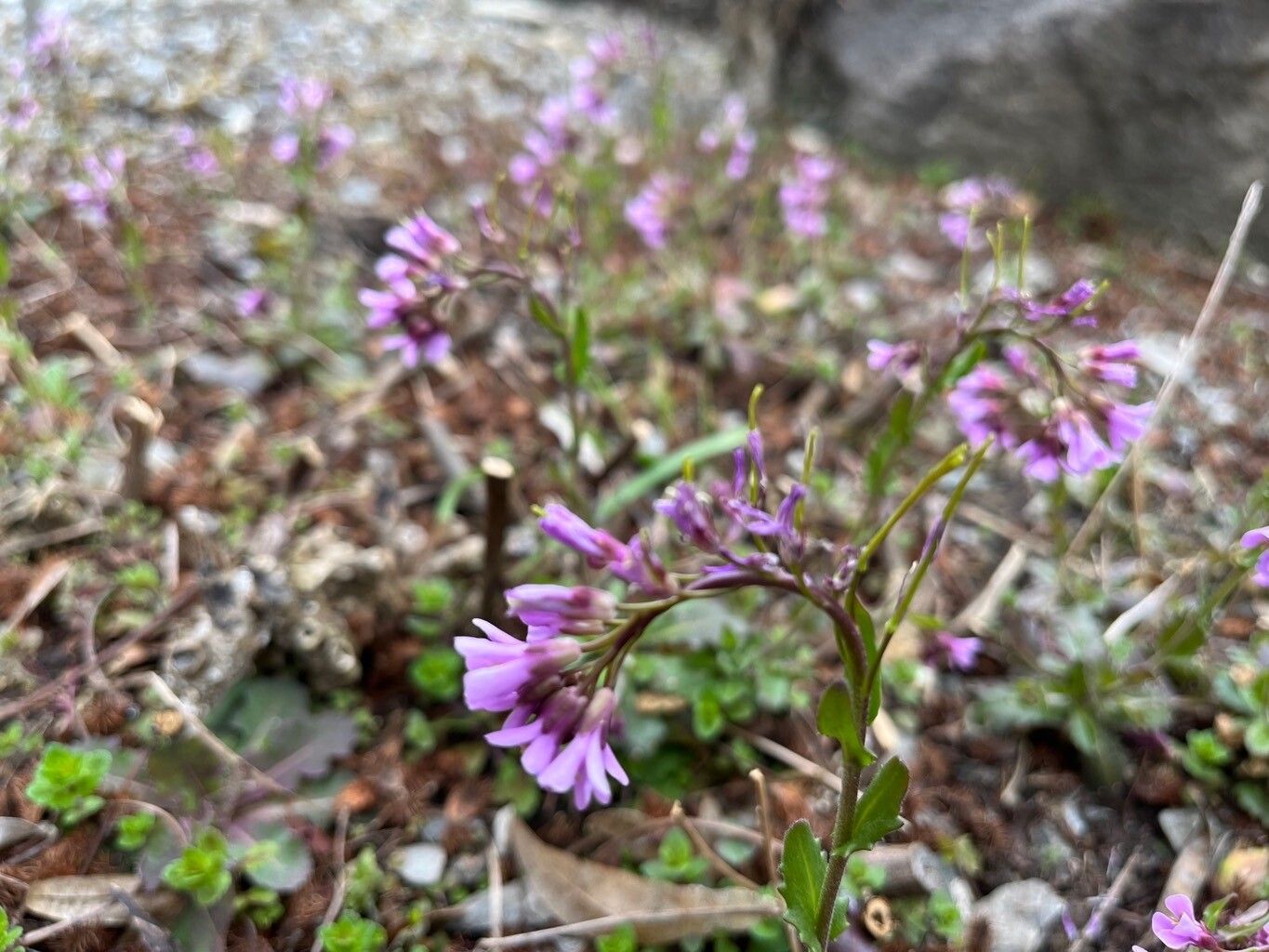
Hello there, fellow garden enthusiasts! Grab a cup of your favorite brew, and let’s chat about a real gem of a plant: Arabis purpurea. You know, those lovely rosettes of silvery-green leaves and those charming spikes of delicate purple flowers that peek out in spring? They bring such a wonderful splash of color and texture to rock gardens and borders.
Propagating Arabis purpurea is truly one of those deeply satisfying gardening activities. There’s something magical about taking a little piece of a plant you love and nurturing it into a whole new life. And the best part? This delightful plant is wonderfully generous with its offspring. For beginners, I’d say Arabis purpurea is downright approachable. You’ll likely have a great success rate with these methods.
The Best Time to Start
When you’re looking to create more of these beauties, late spring after flowering is your golden window. The plant has just put on a great show and is ready to put its energy into new growth. You want to work with healthy, vigorous stems that aren’t yet woody.
Supplies You’ll Need
Here’s what you’ll want to have on hand:
- Sharp pruning shears or a clean, sharp knife: For making clean cuts.
- Rooting hormone (optional, but helpful): A little boost can speed things up.
- A good quality seed-starting mix or a mix of equal parts peat moss and perlite: We want something that drains well.
- Small pots or trays: Clean ones are a must to prevent disease.
- Watering can or spray bottle: For gentle watering.
- A sunny spot with indirect light: Avoid harsh, direct sun when roots are forming.
- Labels: To keep track of what you’ve planted and when.
Propagation Methods
My favorite and most successful way to propagate Arabis purpurea is through stem cuttings. It’s straightforward and yields wonderful results.
- Take Your Cuttings: Head out to your plant in late spring or early summer. Look for healthy, non-flowering stems that are about 3-4 inches long. Using your sharp pruning shears or knife, make a clean cut just below a leaf node (the little bump where a leaf joins the stem).
- Prepare the Cuttings: Gently remove the lower leaves from your cuttings, leaving just a few at the top. If you’re using rooting hormone, dip the cut end into the powder or gel, tapping off any excess.
- Planting: Fill your small pots with your well-draining soil mix. Make a small hole in the center of the soil with your finger or a pencil. Carefully insert the cut end of the stem, ensuring it’s nestled in the soil. Gently firm the soil around it.
- Water and Wait: Water the cuttings gently so the soil is moist but not waterlogged. You can also use a spray bottle for a lighter touch. Place the pots in a location that receives bright, indirect light.
You can also try water propagation, which is quite fun to watch! It’s similar to stem cuttings, but instead of planting them directly in soil, you’ll place the prepared cuttings in a glass or jar of water. Just make sure the leaf nodes are submerged.
The “Secret Sauce” (Pro Tips)
Here are a few little tricks I’ve picked up over the years that can really make a difference:
- Don’t let the leaves touch the water: If you’re propagating in water, make absolutely sure that none of the leaves are submerged. They’ll rot quickly, which can kill your cutting before it even has a chance to root.
- Consider a humidity dome: Covering your pots with a clear plastic bag or placing them inside a propagator can create a more humid environment, which is fantastic for rooting. Just be sure to open it daily for a few minutes to allow for air circulation and prevent fungal issues.
- Bottom heat can be a game-changer: While Arabis purpurea will root without it, placing your pots on a heated propagator mat can significantly speed up root development. It mimics the warmth of spring soil and gives those roots a real kickstart.
Aftercare & Troubleshooting
Once you start to see signs of new growth, or if you gently tug on a cutting and feel resistance (meaning roots have formed), it’s time for a little more attention. Continue to water regularly, but always let the top inch of soil dry out between waterings. Gradually introduce your new plants to more direct light.
The most common culprit for failure is overwatering, which leads to rot. Your cuttings will turn mushy and black. If you see this, sadly, they’re usually beyond saving. Another sign is if the leaves start to yellow and shrivel without any new growth after a few weeks – this might mean they’re not getting enough light or the soil is too dry. Don’t get discouraged if a few don’t make it; it happens to all of us!
A Encouraging Closing
Gardening is a journey, and propagation is one of its most rewarding chapters. Be patient with your Arabis purpurea cuttings. Watch them closely, offer them good care, and soon you’ll have a whole new collection of these lovely plants to enjoy or share. Happy propagating!
Resource:
https://identify.plantnet.org/k-world-flora/species/Arabis%20purpurea%20Sm./data