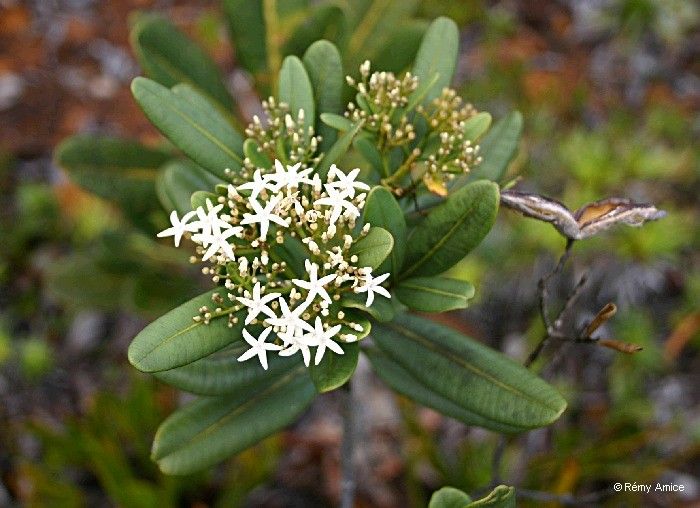
Hello, fellow garden enthusiasts! It’s so lovely to have you here. Today, we’re diving into the wonderful world of propagating Alstonia coriacea, a truly captivating plant that brings a touch of the tropics to many gardens. Its elegant, often tiered foliage and sometimes fragrant blooms make it a real showstopper. If you’ve been admiring this beauty and thinking about adding more to your space, or perhaps sharing with a friend, you’re in for a treat. Propagating Alstonia coriacea can be incredibly rewarding, though I’d say it’s best suited for those who have a bit of propagation experience under their belt – it’s not the absolute easiest, but with a little care, you can absolutely succeed!
The Best Time to Start
For the highest chance of success with propagating Alstonia coriacea, aim for the late spring to early summer. This is when the plant is in its most active growth phase. You’re looking for stems that are somewhat mature – not brand new, soft growth, but not woody, old stems either. Think of it as the “firm but flexible” stage. This juicy, vibrant growth has the reserves and energy needed to develop roots.
Supplies You’ll Need
Gathering your supplies beforehand makes the whole process so much smoother. Here’s what I usually have on hand:
- Sharp Pruning Shears or a Clean Knife: For taking clean cuttings. Make sure they’re disinfected to prevent spreading diseases.
- Rooting Hormone: A powder or gel can significantly boost your success rate by encouraging root development.
- Potting Mix: A well-draining mix is crucial. I often use a blend of equal parts perlite, peat moss, and coco coir. Some people like adding a bit of fine bark too.
- Small Pots or Trays: Clean pots, about 4-6 inches in diameter, or propagation trays with good drainage holes.
- Plastic Bags or a Propagation Dome: To create a humid environment around your cuttings.
- Water: For misting and watering.
- Labels and a Marker: To keep track of what you’ve planted and when.
- Optional: Bottom Heating Mat: This can be a game-changer for stimulating root growth, especially if your environment is a bit cooler.
Propagation Methods
The most reliable way to propagate Alstonia coriacea is through stem cuttings. It’s straightforward, and with the right technique, you’ll see wonderful results.
Method: Stem Cuttings
- Select and Cut: Choose a healthy stem from your mature plant. Using your sharp, disinfected shears, make a cut just below a leaf node (the point where a leaf attaches to the stem). You want cuttings that are roughly 6-8 inches long. Remove any flowers or flower buds, as these will drain energy that could go towards root formation.
- Prepare the Cuttings: Gently remove the lower leaves from your cutting, leaving just a couple of leaves at the very top. This reduces water loss through transpiration. If the top leaves are very large, you can even cut them in half to further minimize water loss.
- Apply Rooting Hormone: Dip the cut end of the stem into your rooting hormone, tapping off any excess. This helps protect the wound and encourages root production.
- Plant the Cuttings: Make a hole in your prepared potting mix with a pencil or your finger. Gently insert the hormone-coated end of the cutting into the hole. Firm the soil gently around the base of the cutting to ensure good contact.
- Water Gently: Water the potting mix thoroughly but gently, ensuring it’s moist but not waterlogged.
- Create Humidity: This is where your plastic bag or propagation dome comes in. Cover the pot loosely with a clear plastic bag, propping it up with stakes so it doesn’t touch the leaves. Alternatively, place the pot under a propagation dome. This traps moisture and creates the humid environment cuttings crave. Place the pot in a bright location but out of direct sunlight, which can scorch new cuttings.
The “Secret Sauce” (Pro Tips)
After many years of tinkering in the greenhouse, a few things have become absolute must-dos for me.
- Don’t Let the Leaves Touch the Water: If you happen to be doing any water propagation (less common for Alstonia coriacea but worth mentioning), make sure not a single leaf dips into the water. Any submerged foliage will quickly rot and can take your whole cutting down with it.
- Bottom Heat is Your Friend: If you can provide gentle bottom heat (around 70-75°F or 21-24°C), you’ll find your Alstonia coriacea cuttings root much faster and more reliably. It really mimics the warmer soil temperatures of spring and summer.
- Callousing for Hardwood Cuttings (Though Less Common Here): While we’re focusing on the softer, semi-hardwood cuttings, if you ever consider using older, woodier stems (hardwood cuttings), sometimes letting the cut end callous over for a day or two before dipping in rooting hormone can help prevent rot. Alstonia coriacea is usually done with greener growth, but it’s a good general tip to keep in mind!
Aftercare & Troubleshooting
Once your cuttings are potted, patience is key! Keep the soil consistently moist but not soggy. Mist the leaves occasionally, especially if you don’t have a dome.
You’ll know your cuttings are rooting when you see new leaf growth and gentle tugging on the cutting reveals resistance. This typically takes several weeks, sometimes up to 2-3 months, depending on conditions.
The most common issue you’ll face is rot. If a cutting turns black and mushy, it’s usually a sign of too much moisture and not enough air circulation, or a fungal issue where the wound occurred. Remove any rotting cuttings immediately to prevent it from spreading. Crispy, brown leaves usually mean the cutting has dried out too much or received too much direct sun. If you see this, try increasing humidity and moving it to a shadier spot.
A Encouraging Closing
Propagating plants is a journey, and it teaches us to observe and understand our plants’ needs. Don’t be discouraged if your first attempt isn’t a roaring success. Every cutting you try is a learning experience. Savor the process, celebrate every tiny bit of new growth, and soon you’ll be rewarded with beautiful new Alstonia coriacea to enjoy and share. Happy propagating!
Resource: