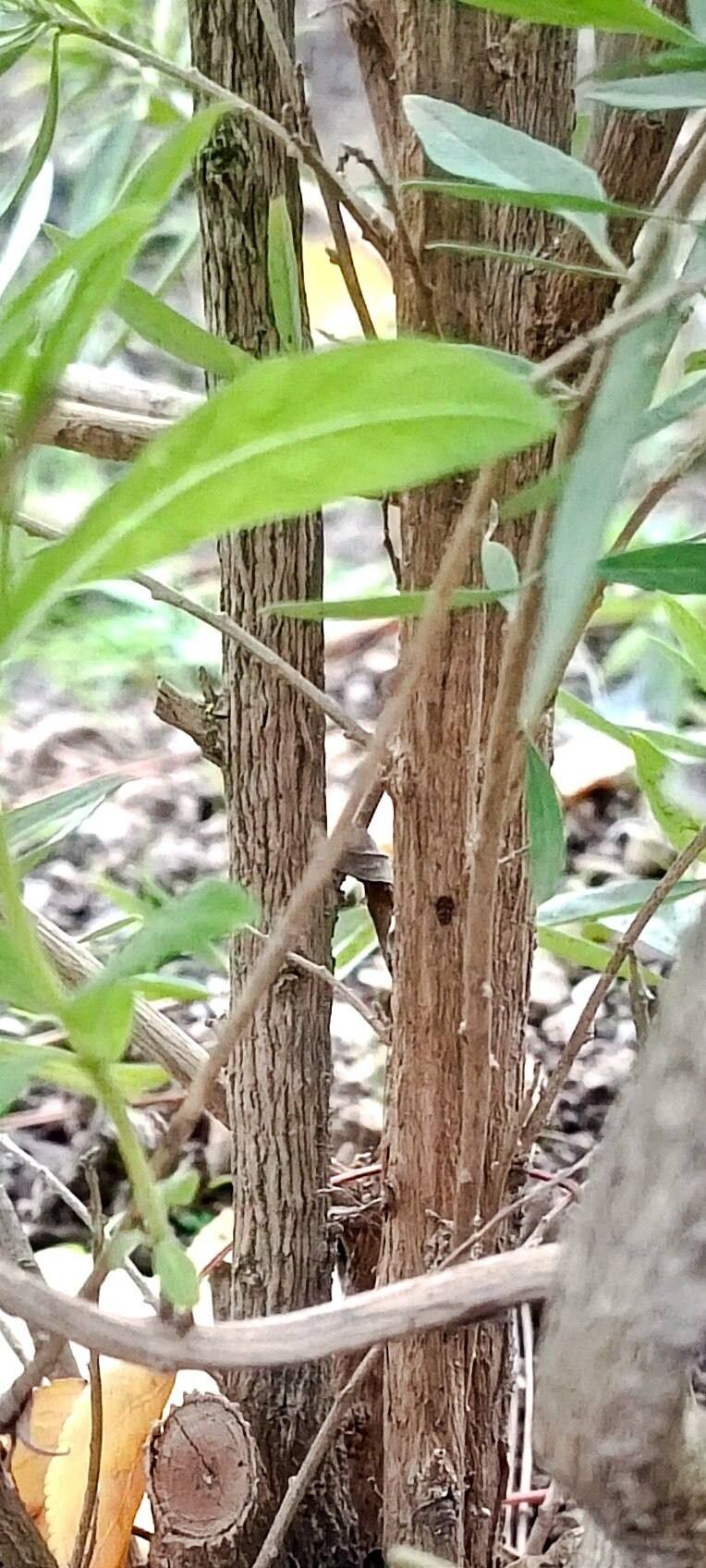
Ah, Aloysia polystachya! You know the one. Often called Lemon Verbena, but this one has a particular charm all its own, a brighter, more effervescent citrus scent that just lifts your spirits. I’ve been growing it for years, and honestly, there’s something incredibly satisfying about taking a piece of a beloved plant and coaxing it into a whole new life. It’s not the trickiest plant to propagate, but it does appreciate a little know-how. For a beginner, I’d say it’s moderately easy – with a few pointers, you’ll be well on your way.
The Best Time to Start
Spring is truly your best bet, hands down. As the world wakes up and the days get longer, the plant is brimming with energy. Look for new growth that’s started to firm up a bit – not the brand new, soft tips, but the stems that have a little bit of give, a slight woody texture. This “semi-hardwood” stage is perfect. You want a plant that’s actively growing but not stressed by extreme heat or cold.
Supplies You’ll Need
Gathering your tools beforehand makes the whole process much smoother. Here’s what I usually have on hand:
- Sharp, clean pruning shears or a sharp knife: Essential for making clean cuts that heal well.
- A good quality potting mix: I like a blend that’s light and drains well. A mix of peat moss, perlite, and a bit of compost works wonders.
- Rooting hormone (optional, but helpful): Look for one containing IBA. It gives the cuttings a real boost.
- Small pots or propagation trays: Make sure they have drainage holes!
- A spray bottle: For misting your cuttings.
- A clear plastic bag or propagation dome: To create a humid environment.
- A label and waterproof marker: So you don’t forget what you’ve planted!
Propagation Methods
Let’s get our hands dirty! Stem cuttings are my go-to for Aloysia polystachya.
Stem Cuttings
- Take Your Cuttings: On a pleasant spring morning, select a healthy stem about 6-8 inches long. Using your sharp shears, make a clean cut just below a leaf node. A leaf node is where a leaf attaches to the stem – this is where the magic happens, where roots are most likely to form. Remove the lower leaves, leaving just a few at the top. This reduces water loss.
- Prepare the Cuttings: If you’re using rooting hormone, dip the cut end of each stem into the powder or gel. Tap off any excess.
- Plant Them Up: Fill your small pots with your well-draining potting mix. Make a small hole in the center of each pot with your finger or a pencil. Gently insert the cutting into the hole, ensuring the leaf nodes you removed are below the soil line. Firm the soil gently around the base of the cutting.
- Create Humidity: Water the soil thoroughly until it drains from the bottom. Then, carefully place the pots into a clear plastic bag or cover them with a propagation dome. This creates a mini-greenhouse effect, keeping the humidity high, which is crucial for cuttings.
The “Secret Sauce” (Pro Tips)
Here are a couple of things I’ve learned over the years that can make a big difference:
- Don’t Crowd Them: Give your cuttings a little elbow room. If they’re too close together, they can shade each other out, and more importantly, they’re more susceptible to fungal diseases if they touch.
- Bottom Heat is Your Friend: If you can, place your propagation trays or pots on a gentle heat mat. This encourages root development from below, giving your cuttings a much better chance of success. You don’t want it too hot, just a gentle warmth.
Aftercare & Troubleshooting
Once your cuttings are planted and misted, place them in a bright spot, but avoid direct, scorching sunlight. Think of it as a nice, dappled light. Keep the soil consistently moist, but not waterlogged. A light misting every day or two, particularly if you don’t have a dome, will help keep things from drying out.
You’ll know rooting has occurred when you see new leaf growth or feel a gentle tug when you lightly pull on the cutting. This can take anywhere from 3 to 8 weeks. Be patient!
Sometimes things go wrong. The most common culprit is rot. If you see your cuttings turning black and mushy, it usually means they’re getting too much water and not enough air circulation. If this happens, try to increase ventilation by opening the bag or dome for a few hours a day, and make sure your soil mix is really draining. If a cutting is completely rotted, it’s best to discard it to prevent it from affecting others.
A Encouraging Closing
Propagating Aloysia polystachya is a wonderful way to multiply your enjoyment of this lovely plant. Don’t be discouraged if your first few attempts aren’t perfect. Gardening is a journey of learning and observing. Just keep trying, stay patient, and most importantly, enjoy the process of coaxing new life from your cherished plants. Happy gardening!
Resource: