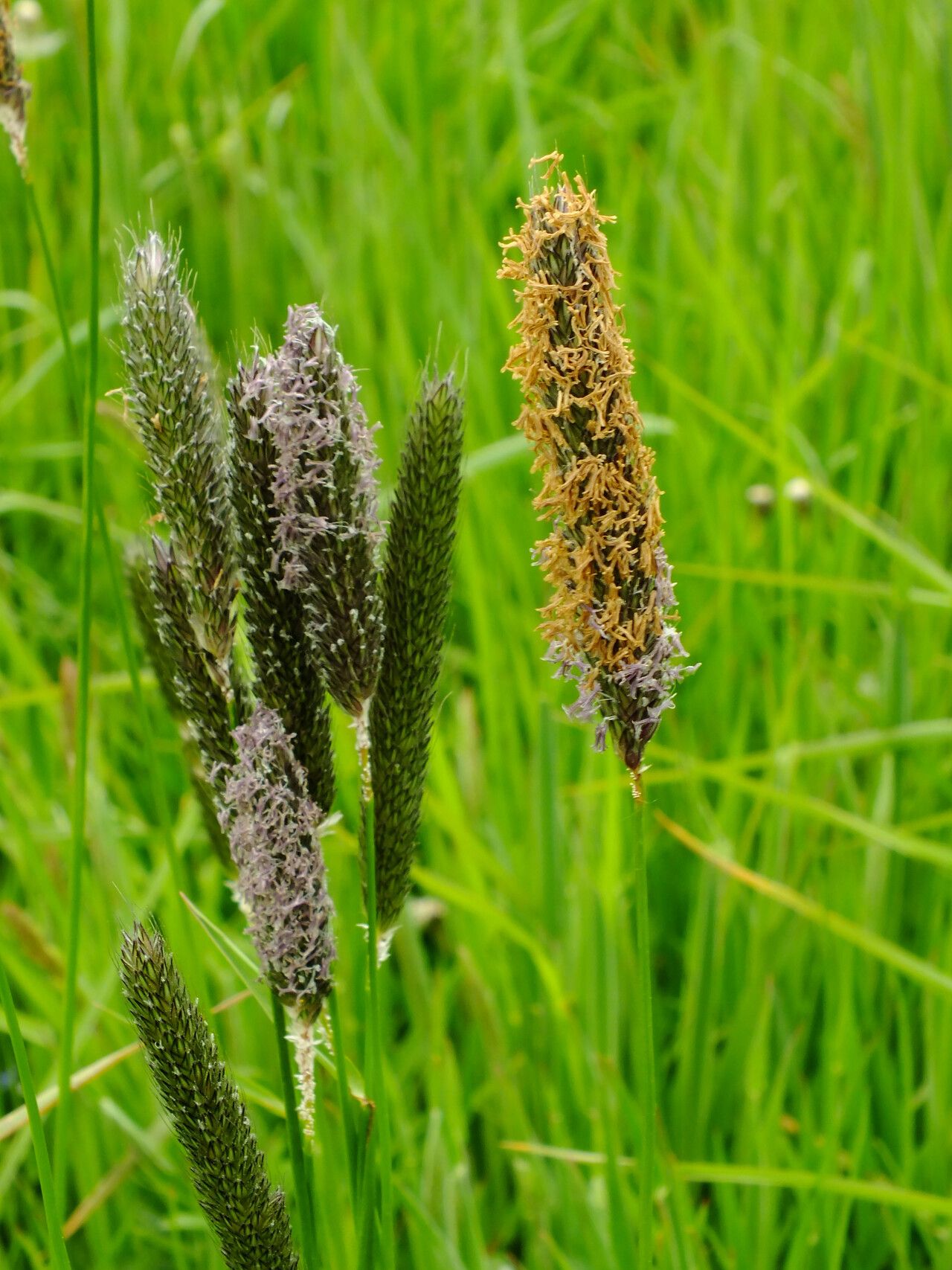
Oh, hello there, fellow garden enthusiast! I’m so glad you’re curious about propagating Alopecurus pratensis, also known as meadow foxtail. If you’re looking for a grass that brings a lovely soft texture and a whimsical, nodding presence to your garden, this is it. Its feathery seed heads are just delightful, especially when they catch the sunlight. And the best part? Propagating this beauty is incredibly rewarding, and I promise, it’s absolutely achievable for new gardeners. You’ve got this!
The Best Time to Start Your Meadow Foxtail Adventure
When it comes to getting new foxtail plants going, spring is your best friend. This is when the plant is really waking up and has all that stored energy to put into new growth. You’ll find it easiest to work with either from freshly harvested seeds or by dividing established clumps. Aim for early to mid-spring, before the real heat of summer kicks in.
Gathering Your Gardening Arsenal
Before we dive in, let’s make sure you have everything you need. It’s always better to be prepared!
- Sharp Pruning Shears or a Clean Knife: For making neat cuts.
- Small Trowel or Dibber: For planting.
- Propagating Pots or Trays: Small pots with drainage holes are perfect.
- Well-Draining Potting Mix: I like to use a blend of equal parts peat moss, perlite, and compost. For seeds, a finer seed-starting mix works wonders.
- Watering Can with a Fine Rose: To gently water your propagations without disturbing them.
- Label Stakes: Essential for keeping track of what you’ve planted and when!
Let’s Get Growing: Propagation Methods
Meadow foxtail is most commonly propagated in two fantastic ways: from seed and by dividing established plants.
1. From Seed: A Little Patience, a Big Reward
This method requires a bit of patience, but it’s so satisfying to watch those tiny seedlings emerge.
- Harvesting Seeds: Ideally, you’ll collect seeds from mature, dried flower heads in late summer or fall. Look for brown, papery structures. You can either collect the whole seed head and rub the seeds free, or you can sow the entire seed head directly.
- Sowing: Fill your trays or pots with your seed-starting mix. Lightly press the seeds onto the surface of the soil. You don’t need to bury them deeply; meadow foxtail seeds germinate best with a bit of light. A good rule of thumb is to sow them at a depth no more than twice their diameter.
- Watering: Gently mist the surface with your watering can until the soil is evenly moist.
- Providing the Right Conditions: Place your pots in a bright spot, but avoid direct, harsh sunlight initially. Keep the soil consistently moist, like a wrung-out sponge.
- Germination: You should start seeing little green shoots emerge within a couple of weeks, though it can sometimes take longer.
2. Division: Sharing is Caring for Your Garden
This is my go-to method for meadow foxtail when I want instant results and to rejuvenate existing clumps.
- Timing is Key: As I mentioned, early spring is ideal.
- Digging Up the Clump: Gently dig around the base of a mature Alopecurus pratensis clump. You want to lift the entire plant, root ball and all, with as little disturbance to the roots as possible.
- Separating the Divisions: Once out of the ground, you can gently pull the clump apart with your hands. If it’s a bit stubborn, use a sharp knife or trowel to cut through the root ball, ensuring each section has some healthy roots and a few leafy shoots attached.
- Replanting: Prepare your new planting location or pots with well-draining soil. Plant the divisions at the same depth they were growing previously. Water them in thoroughly.
The “Secret Sauce”: My Tried-and-True Tips
Over the years, I’ve learned a few little tricks that really make a difference.
- The Chill Factor: For seeds, a period of cold, moist stratification can significantly boost germination rates, especially if you’re sowing seeds collected closer to their harvest time. Simply mix your seeds with a little damp sand or peat moss, place them in a sealed plastic bag, and pop them in the refrigerator for 3-4 weeks. Then sow as usual.
- Don’t Drown Them: Whether you’re watering seeds or newly divided plants, avoid waterlogging at all costs. Grasses, while they love a drink, are susceptible to root rot if their roots sit in soggy soil. Always check that drainage is excellent.
- Bottom Heat for Seeds: If you’re starting seeds indoors and have a cooler environment, a propagation mat can be a game-changer. It provides gentle warmth from below, mimicking ideal soil temperatures and encouraging faster germination.
Aftercare and What to Watch For
Once your little foxtails have rooted or sprouted, the real fun begins!
For seed-grown plants, once they have a few true leaves and are sturdy enough to handle, you can gently transplant them into their own little pots or directly into the garden. Continue to water them consistently, especially during dry spells.
For divisions, keep them well-watered for the first few weeks as they establish their new root systems. You should see new growth appearing relatively quickly.
Now, what about things going awry? The most common culprit is damping off, a fungal disease that can cause seedlings to rot at the soil line. This is almost always due to overwatering and poor air circulation. If you see this, discard the affected seedlings and clean your pots thoroughly. Another sign of trouble is browning or wilting that doesn’t improve with watering; this could indicate root rot from being too wet, or conversely, if the soil is bone dry, it might just be thirst. Keep an eye on them!
A Little Encouragement to Keep You Growing
Propagating plants is a wonderful way to deepen your connection with nature and to fill your garden with beauty. Meadow foxtail is a lovely plant to work with, and I truly believe you’ll have success. Be patient with the process, enjoy the small victories, and celebrate every new sprout and root. Happy gardening!
Resource:
https://identify.plantnet.org/k-world-flora/species/Alopecurus%20pratensis%20L./data