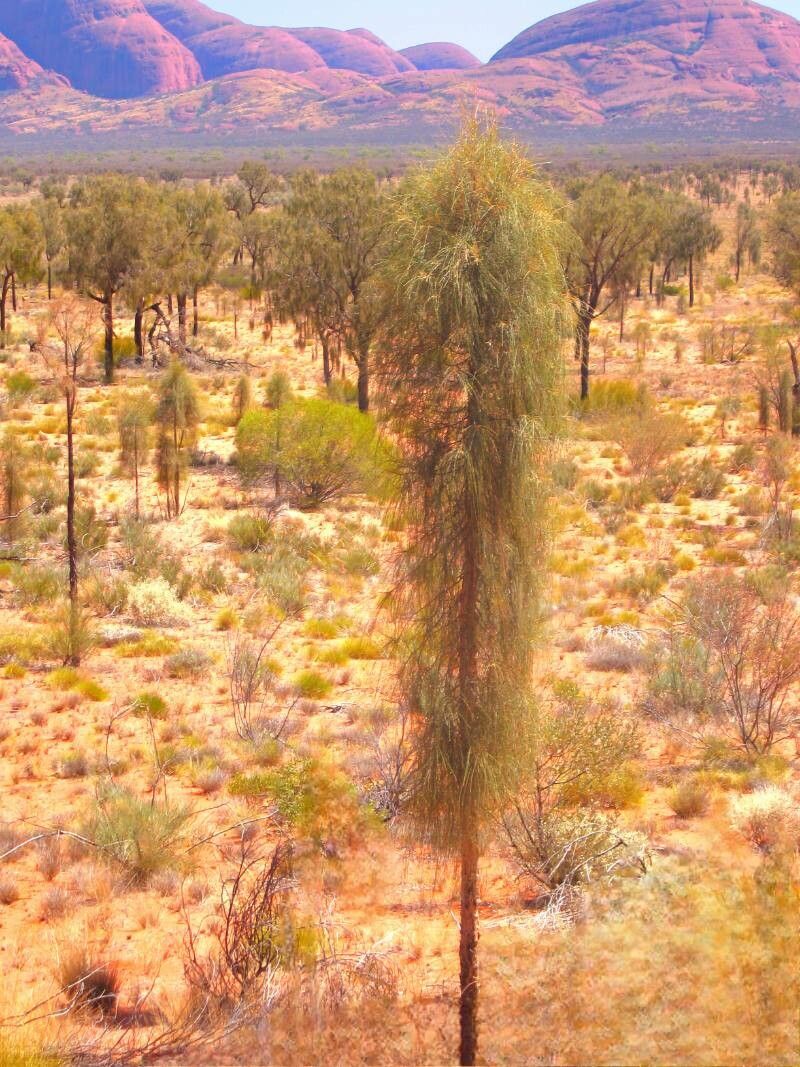
Bringing a Desert Gem Home: Propagating the Majestic Desert Oak (Allocasuarina decaisneana)
There’s something truly captivating about the Desert Oak, Allocasuarina decaisneana. Its graceful, weeping branches and distinctive bark give it an almost sculptural presence, especially considering its origins in the arid heart of Australia. For those of us who appreciate a plant with serious character, propagating this beauty is an incredibly rewarding endeavor. It’s a chance to share a piece of its resilience and unique charm with your own garden or to simply admire the miracle of new life unfolding. Now, I’ll be honest, Allocasuarina decaisneana isn’t the most straightforward plant to propagate, especially for absolute beginners. It prefers a bit of finesse and understanding its needs, but with a little patience and the right approach, you’ll be well on your way to success.
When to Get Your Hands Dirty
The sweet spot for propagating Allocasuarina decaisneana is typically during its active growing season. For most of us, this means late spring through summer. You’ll want to select stems that are plump and healthy, showing signs of new growth. Avoid anything that looks stressed or dormant. Think of it as trying to catch the plant when it’s feeling its most energetic and ready to embrace change!
Your Propagation Toolkit
Gathering the right supplies beforehand makes the entire process smoother. Here’s what I usually have on hand:
- Sharp Pruning Shears or Knife: Cleanliness is key to prevent disease.
- Rooting Hormone: A good quality rooting powder or gel will significantly boost your success rate.
- Well-Draining Potting Mix: I like a blend of coarse sand, perlite, and a little bit of coco coir. Avoid heavy, water-retentive soils.
- Small Pots or Trays: With drainage holes, of course!
- Plastic Bag or Clear Cover: To create a humid environment.
- Watering Can with a Fine Rose: For gentle watering.
- Labels and a Marker: So you don’t forget what you’ve propagated and when!
- Optional: Bottom Heat Mat: This can be a game-changer for encouraging root development.
Hands-On: Stem Cuttings are Your Best Bet
While other methods might exist, stem cuttings are generally the most reliable way to propagate Allocasuarina decaisneana. Here’s how I approach it:
- Select Your Cuttings: Choose healthy, semi-hardwood stems that are about 10-15 cm long. Look for a section that has matured a bit but still has some flexibility.
- Make the Cut: Using your clean pruning shears, make a clean cut just below a leaf node (where a leaf attaches to the stem). This is where roots are most likely to form.
- Prepare the Cutting: Gently remove the lower leaves. You want to expose a clean section of stem for the rooting hormone. If the cutting is very long, you can prune it back slightly to make it more manageable.
- Apply Rooting Hormone: Dip the cut end of the stem into your rooting hormone, ensuring it’s well-coated. Tap off any excess.
- Plant Your Cuttings: Fill your chosen pots with your well-draining mix. Make a small hole in the center of the soil with a pencil or your finger, then insert the prepared cutting. Gently firm the soil around the base.
- Create Humidity: Water the soil gently until it’s moist but not waterlogged. Then, cover the pot with a clear plastic bag or a propagation dome. This is crucial for keeping the cuttings from drying out.
- Provide the Right Environment: Place your pots in a bright spot that receives indirect sunlight. Avoid direct sun, which can scorch the delicate cuttings. If you’re using a bottom heat mat, now’s the time to switch it on and set it to a warm, but not hot, temperature.
My “Secret Sauce” for Success
Through the years, I’ve picked up a few tricks that seem to make a real difference:
- The “Air Gap” Tip: When you cover your cuttings with a plastic bag, make sure the leaves don’t touch the sides of the bag. If they do, they can start to rot. You can prop the bag up with small stakes if needed.
- Don’t Rush the Roots: Patience is truly a virtue here. It can take anywhere from 4 to 8 weeks, or even longer, for new roots to develop. Resist the urge to pull up your cuttings to check! You’ll know they’re ready when you feel a gentle resistance when you tug.
- Bottom Heat is Your Friend: As I mentioned, a little warmth from below can work wonders. It mimics the conditions of a warmer soil surface that encourages root formation much faster than just ambient room temperature.
Nurturing New Life and Tackling Problems
Once you feel that resistance and know your cuttings have rooted, it’s time for a little more attentive care.
- Gradual Acclimation: Slowly remove the plastic cover over a week or two. This helps the new plant adjust to the drier air.
- Gentle Watering: Continue to water when the top inch of soil feels dry. Avoid overwatering, as this is the quickest way to invite root rot.
- Observe Your Babies: Keep an eye out for any signs of distress. Wilting leaves that don’t perk up after watering, or a mushy, dark stem, are clear indicators of rot. If you see this, it’s often best to discard the affected cutting and try again, ensuring your soil is even better draining. Yellowing leaves can sometimes just be the plant adjusting, but if it’s widespread and accompanied by limpness, it might be an issue.
Keep Growing!
Propagating Allocasuarina decaisneana is a journey, not a race. Embrace the process, learn from each attempt, and celebrate every little success. Soon, you’ll have your very own piece of the Outback thriving in your care. Happy propagating!
Resource: