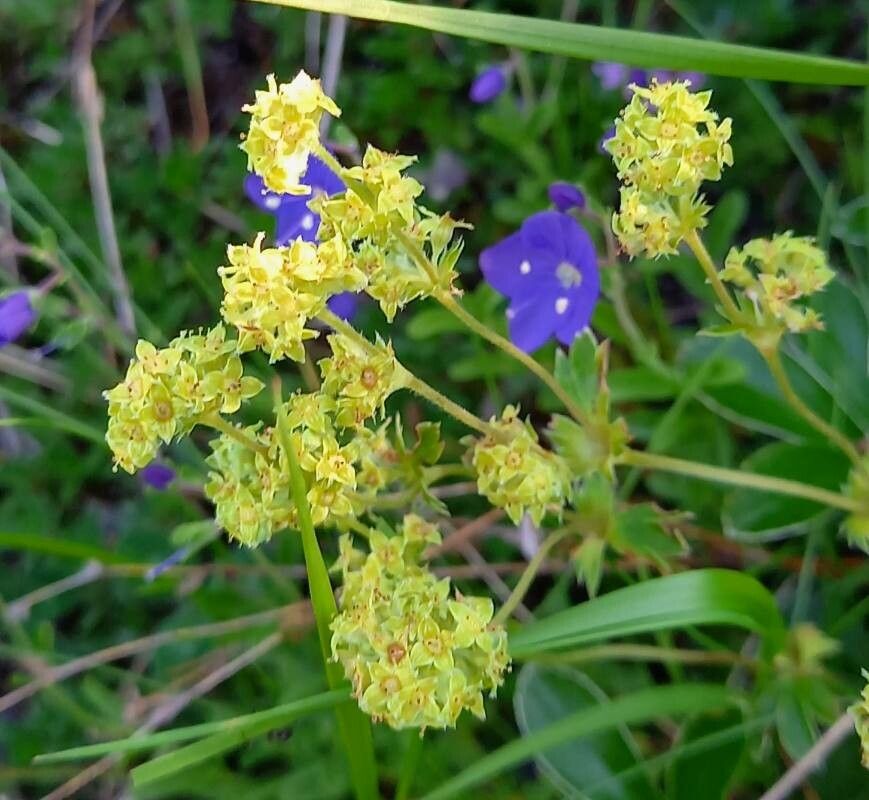
Ah, Alchemilla alpina! If you’ve ever admired those delightful little rosettes of silvery-green, deeply cut leaves, cupping dew drops like tiny chalices, then you’re already captivated by its charm. This alpine lady is a gem for any garden, bringing a touch of elegance with its understated beauty. And the best part? Propagating it is a wonderfully rewarding experience, even for those of you just dipping your toes into the world of plant magic. In fact, Alchemilla alpina is quite forgiving, making it a great plant for beginners to try their hand at multiplying.
The Best Time to Start
For Alchemilla alpina, spring is your golden ticket. As the plant wakes up from its winter slumber and fresh, vigorous growth begins to emerge, it’s the perfect moment to get started. You’re looking for that new, soft growth – the stuff that bends easily without snapping. Trying this too late in the season, when things are hardening off, can be a bit more challenging.
Supplies You’ll Need
Gathering your tools beforehand makes the whole process smoother. Here’s what I usually have on hand:
- Sharp pruning shears or a clean knife: For making clean cuts.
- Small pots or seed trays: About 3-4 inches in diameter are perfect.
- A good quality potting mix: I like a mix that drains well. A blend of peat moss or coco coir with perlite or coarse sand is excellent. You can even buy specific seed starting mixes.
- Rooting hormone (optional): This can give your cuttings a little extra boost, but often Alchemilla alpina will root without it.
- A watering can with a fine spray or a misting bottle: To keep things moist without disturbing the developing roots.
- Labels and a marker: To keep track of what you’ve potted up and when!
Propagation Methods
Alchemilla alpina is quite obliging, and the easiest way to multiply it is through division. This is what I usually turn to, and it gives you instant results.
Here’s how I do it:
- Dig Up Your Plant: In spring, when the soil is moist, gently dig up your established Alchemilla alpina plant. Try to get as much of the root ball as possible.
- Gently Separate: Look at the crown of the plant. You’ll see where new offsets or rosettes are emerging. Gently tease the roots apart with your fingers or a trowel. If the roots are very tangled, a sharp knife can be used to cut through them, ensuring each new division has a good clump of roots attached.
- Pot Them Up: Plant each new division into its own pot filled with your well-draining potting mix. Make sure the crown of the plant is at soil level.
- Water Gently: Water the newly potted divisions thoroughly but gently, using a fine spray. Avoid blasting the soil away from the roots.
While division is my go-to, you can try stem cuttings, though it’s a little less common for this particular plant. If you want to experiment:
- Take Cuttings: In spring, select a healthy, non-flowering stem that’s about 3-4 inches long. Make a clean cut just below a leaf node.
- Prepare the Cutting: Remove the lower leaves, leaving only a few at the top. If you’re using rooting hormone, dip the cut end into it now.
- Plant the Cutting: Insert the cut end into a pot filled with, you guessed it, that well-draining mix.
- Keep Moist: Mist the cuttings regularly and keep them in a bright spot, out of direct sun. Rooting can take a few weeks.
The “Secret Sauce” (Pro Tips)
Here are a couple of things I’ve learned over the years that often make a big difference:
- Don’t Rush the Division: When you’re dividing, be patient. It’s better to take a slightly smaller division with good roots than a larger one with few or damaged roots. If a division looks a bit sad, don’t despair; sometimes they just need a little time to perk up.
- The Magic of Bottom Heat (for cuttings): If you’re brave enough to try cuttings and want to speed things up, a little gentle bottom heat can work wonders. Placing your pots on a heat mat designed for propagation can encourage faster root development. Just be careful not to dry the soil out.
Aftercare & Troubleshooting
Once your divisions are potted or your cuttings have rooted (you’ll see new growth appearing!), the real fun begins.
- Watering: Keep the soil consistently moist but not waterlogged. Overwatering is the quickest way to invite rot, especially in the early stages. Feel the soil with your finger; if the top inch feels dry, it’s time to water.
- Light: Place your new plants in a spot that receives bright, indirect light. Direct, hot sun can scorch delicate young foliage.
- Acclimatizing: As your plants get stronger, you can gradually introduce them to more direct sunlight and normal garden conditions.
What if things go wrong? The most common culprit is rot. If you see your cutting or division turning mushy and black, it’s usually a sign of too much moisture and not enough air circulation. If you catch it early, you might be able to salvage a healthy piece by cutting away the rot and repotting in fresh, dry soil. Sometimes, it’s just a learning curve, and we try again!
A Encouraging Closing
Propagating Alchemilla alpina is a beautiful way to connect with your garden and share its beauty. Don’t be discouraged if your first attempt isn’t perfect. Gardening is a journey of learning and patience. So, grab your trowel, get your hands dirty, and enjoy the process of coaxing new life from your existing plants. Happy gardening!
Resource:
https://identify.plantnet.org/k-world-flora/species/Alchemilla%20alpina%20L./data