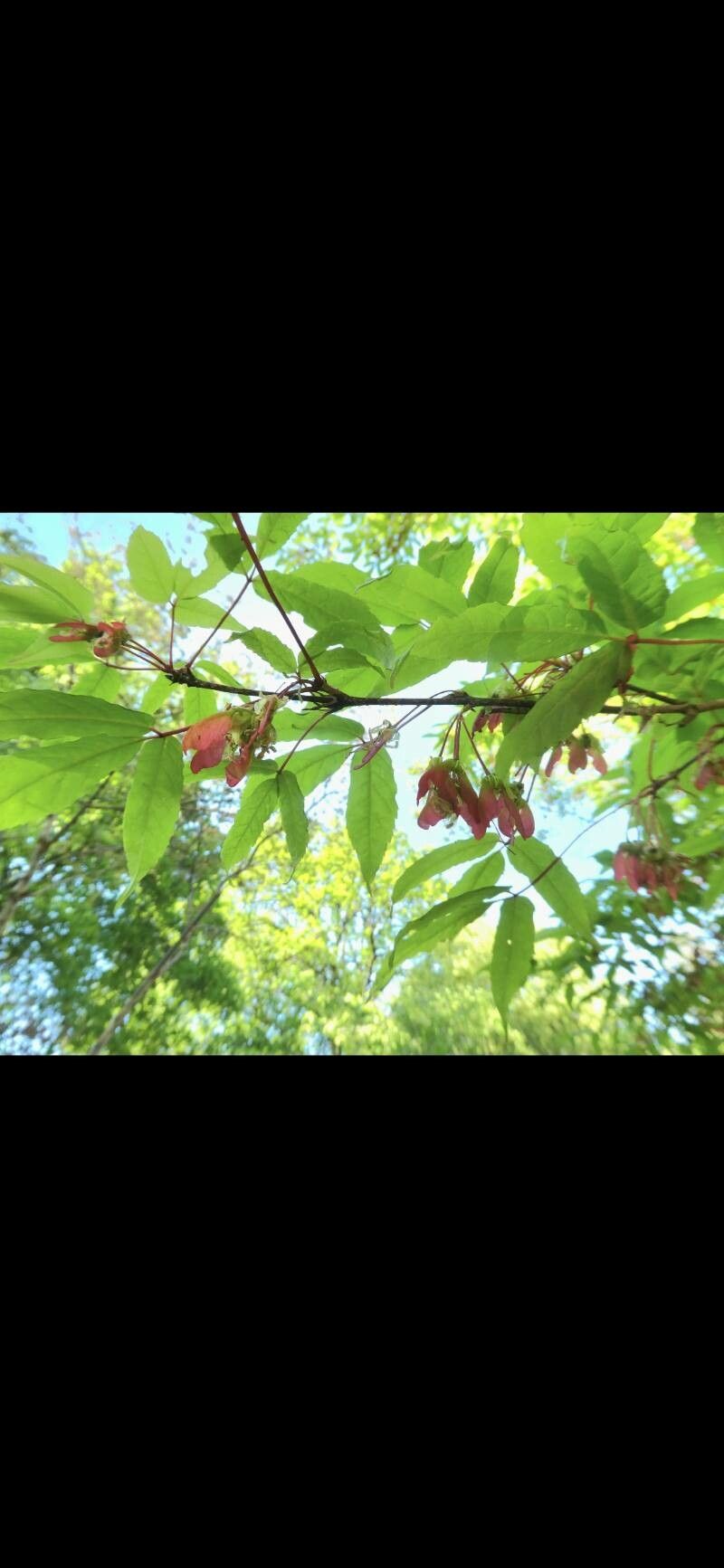
Ah, the Manchurian Maple! Acer mandshuricum. What a captivating tree. Its beautiful, compound leaves, reminiscent of ash, unfurl with a delicate grace in spring and then transform into a fiery spectacle of reds and oranges come autumn. If you’ve been admiring one in a friend’s garden or perhaps have a mature specimen yourself, you might be wondering how to bring more of this beauty into your own green spaces. Trust me, propagating them is a wonderfully rewarding journey. For beginners, I’d say it’s on the more challenging side, but with a little patience and the right approach, it’s absolutely achievable.
The Best Time to Start
Generally, spring is your golden ticket for propagating Acer mandshuricum. I like to aim for late spring to early summer, just as the newest growth has started to firm up a bit but is still considered semi-hardwood. You want to catch it when it has that perfect balance of flexibility and strength. Trying to propagate from wood that’s too soft or too hard can significantly reduce your chances of success.
Supplies You’ll Need
Before we get our hands dirty, let’s gather our tools. Having everything ready makes the process so much smoother:
- Sharp Pruning Shears or a Grafting Knife: Cleanliness is key here. Make sure they’re sharpened to give a clean cut.
- Rooting Hormone: A good quality rooting hormone (either powder or gel) will give your cuttings a significant boost.
- Potting Mix: A light, well-draining mix is crucial. I often use a combination of perlite and peat moss or coco coir, or a professional seed-starting mix.
- Small Pots or Trays: Clean pots with drainage holes are a must.
- Plastic Bags or a Propagator: To create a humid environment for your cuttings. A clear plastic bag that fits over the pot works wonders.
- Water: For misting and for any water propagation attempts.
- Gloves (Optional): If you prefer not to get your hands too mucky.
Propagation Methods
While you might find mentions of other methods, for reliable results with Acer mandshuricum, stem cuttings are my go-to.
Stem Cuttings: My Tried-and-True Method
- Take Your Cuttings: On a humid, overcast day if possible, select healthy, current-season shoots from your parent tree. Look for stems that are about the thickness of a pencil or a bit thicker. You want pieces that are about 6-8 inches long. Make your cut just below a leaf node – that’s where the magic happens for root formation.
- Prepare the Cuttings: Gently remove the leaves from the bottom half of your cutting. If any leaves are particularly large, you can even cut them in half horizontally to reduce water loss.
- Apply Rooting Hormone: Dip the cut end of each stem into your rooting hormone, ensuring it’s coated well from the cut surface up to about an inch. Tap off any excess.
- Plant Your Cuttings: Fill your small pots with your prepared potting mix. Make a hole in the center of the mix with a pencil or your finger. Insert the prepared cutting into the hole, making sure the rooting hormone stays in place. Gently firm the soil around the base of the cutting.
- Water Gently: Water thoroughly but gently. You want the soil to be moist but not waterlogged.
- Create Humidity: This is where the plastic bag or propagator comes in. Cover the pot with a clear plastic bag, ensuring the leaves don’t touch the plastic if possible. You can use stakes to prop up the bag. Alternatively, place the pot in a propagator with the lid on.
Water Propagation (Less Reliable for Maples, but Worth a Shot)
If you’re feeling experimental, you can try water propagation. Take a cutting as described above, but don’t use rooting hormone. Place the cutting in a glass of clean water, ensuring that no leaves are submerged. Change the water every few days. You’re looking for tiny white root nubs to appear. This method is less predictable for maples, and water roots don’t always transition well to soil.
The “Secret Sauce”
Alright, time for a couple of insider tips I’ve picked up over the years:
- Bottom Heat is Your Best Friend: This is a big one! Investing in a small heating mat for your propagator or pots can dramatically speed up root formation. Maple cuttings respond wonderfully to slightly warmer soil temperatures. It mimics the warmth of spring that encourages roots to sprout.
- Err on the Side of Less Light Initially: While your established tree loves sunshine, new cuttings are fragile. Place your propagated cuttings in a spot with bright, indirect light, not harsh direct sun. Too much sun can scorch those delicate leaves and dry out the cutting before it has a chance to root.
- Don’t Be Afraid to Check (But Don’t Overdo It): Once you think roots might be forming (usually after a month or two), gently tug on a cutting. If you feel resistance, roots are developing! However, resist the urge to peek too often, as disturbing the developing roots can set you back.
Aftercare & Troubleshooting
Once you see visible roots – usually by looking through the drainage holes or feeling that gentle resistance – it’s time for a little extra TLC.
- Gradual Acclimation: Slowly introduce your rooted cuttings to their new environment. If they were under plastic, gradually open the bag or propagator over a week or two to help them adjust to lower humidity.
- First Potting: Carefully transplant your rooted cutting into a slightly larger pot with fresh potting soil. Treat it like a young seedling, watering consistently and keeping it in bright, indirect light.
- Signs of Trouble: The most common issue you’ll face is rot. If a cutting turns mushy, black, or slimy, it’s usually a sign of too much moisture and not enough air circulation. Another indicator of failure is if the leaves dry up and fall off, and you don’t see any signs of rooting after a considerable time. If rot sets in, it’s usually best to discard that cutting and try again with adjustments to your watering and ventilation. Ensure your soil drains exceptionally well to avoid this.
A Little Patience Goes a Long Way
Propagating Acer mandshuricum takes a bit of dedication, but the reward of nurturing a new tree from a simple cutting is immeasurable. Don’t get discouraged if your first few attempts aren’t successful. Each plant is a learning experience. Enjoy the process, observe closely, and celebrate each little green shoot that emerges! Happy propagating!
Resource:
https://identify.plantnet.org/k-world-flora/species/Acer%20mandshuricum%20Maxim./data