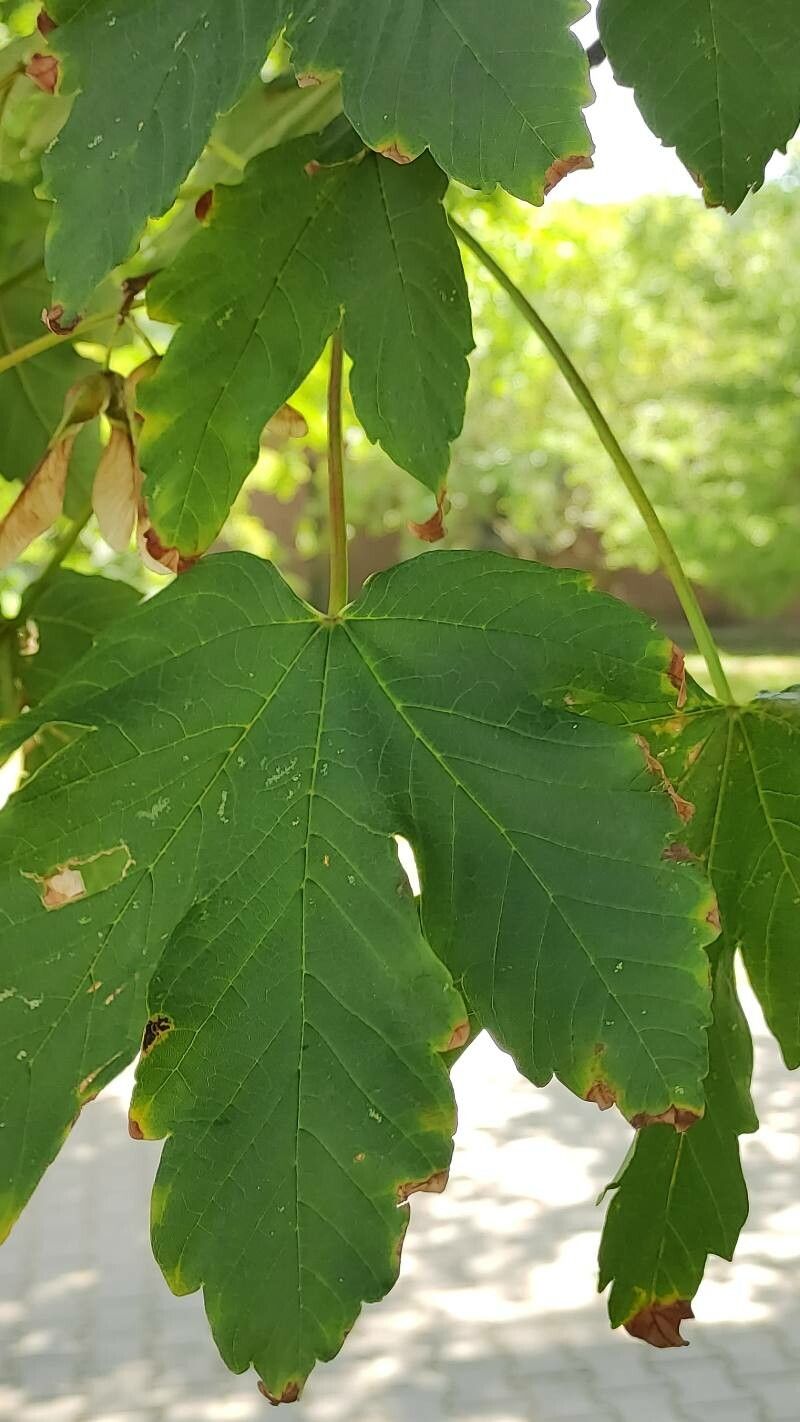
Oh, the joy of growing your own plants! If you’ve ever admired the stunning foliage of Acer heldreichii, also known as Bosnian Maple, you’re in for a treat. These trees are truly magnificent, often gracing gardens with their elegant shape and those wonderfully lobed leaves that can turn vibrant shades in the fall. Propagating them is a lovely way to share that beauty or simply expand your own collection. While it takes a little patience, I find Acer heldreichii to be quite rewarding to propagate, even if you’re just dipping your toes into the world of plant babies. It’s not a plant that throws a tantrum if you get things just right!
The Best Time to Start
Generally, the late spring or early summer is your sweet spot for propagating Acer heldreichii from cuttings. You want to work with young, healthy growth that’s still a bit soft and flexible, but has started to mature a little. This is often referred to as “semi-hardwood” cuttings. Waiting until the plant has put on a good burst of growth after winter is key.
Supplies You’ll Need
Before we get our hands dirty, let’s make sure we have everything ready. A little preparation saves a lot of fuss later!
- Sharp Pruning Shears or a Craft Knife: Clean cuts are crucial for healthy healing.
- Rooting Hormone: A powder or liquid hormone can give your cuttings a helpful boost.
- Well-Draining Potting Mix: I like a mix of equal parts peat moss or coco coir, perlite, and a little bit of compost. It needs to drain freely!
- Small Pots or Trays: Clean pots are a must to avoid introducing diseases.
- Clear Plastic Bags or a Propagation Dome: This creates a humid environment for your cuttings.
- Watering Can or Spray Bottle: Gentle watering is key.
- Labels and a Marker: Never underestimate the need to label your precious propagations!
Propagation Methods
For Acer heldreichii, I’ve found stem cuttings to be the most reliable and rewarding method. Let’s walk through it.
- Select Your Cuttings: In late spring or early summer, look for a healthy branch that is about pencil-thick and has produced new growth. You want to select a section that is firm but still somewhat bendy.
- Make the Cut: Using your sharp shears or knife, take a cutting that is about 4-6 inches long. Make the cut just below a leaf node (where a leaf attaches to the stem).
- Prepare the Cutting: Gently remove the leaves from the bottom half of the cutting. You can leave a couple of small leaves at the top, but I usually trim them back slightly to reduce water loss through transpiration. If the remaining leaves are very large, I’ll cut them in half horizontally.
- Apply Rooting Hormone: Dip the cut end of the stem into your rooting hormone, ensuring it’s coated up to the lowest leaf node. Tap off any excess.
- Plant the Cutting: Make a hole in your well-draining potting mix with a pencil or your finger. Gently insert the cutting into the hole, making sure the rooting hormone stays on the cut end. Firm the soil gently around the stem.
- Create a Humid Environment: Water gently – you want the soil to be moist but not soggy. Then, cover the pot with a clear plastic bag (making sure it doesn’t touch the leaves) or place it under a propagation dome. This traps moisture and keeps the humidity high.
- Find the Right Spot: Place your pots in a bright spot with indirect light. Avoid direct sun, which can scorch the delicate cuttings.
The “Secret Sauce” (Pro Tips)
Here are a couple of little tricks I’ve learned over the years that can make a big difference with maples!
- Bottom Heat is Your Friend: If you have a heat mat for seedlings, using it under your Acer heldreichii cuttings can really encourage root development. A consistent, gentle warmth from below is incredibly beneficial.
- Don’t Disturb Too Soon! It’s so tempting to tug on your cuttings to see if they’ve rooted, but resist! Let them sit for at least 4-6 weeks. You’ll usually start to see new leaf growth, which is a great sign they’ve taken. If you’re really itching to check, very gently tug – if there’s resistance, you’re getting there.
Aftercare & Troubleshooting
Once you see signs of new growth (baby leaves!), your cutting has officially become a plantlet! Now it’s time for continued gentle care.
- Gradual Acclimation: Slowly start to open up the plastic bag or dome exposure over a week or two to help your new plant adjust to normal humidity levels.
- Consistent Moisture: Keep the soil consistently moist but never waterlogged. That’s where root rot can creep in, and it’s the most common culprit when things go wrong.
- Signs of Trouble: If the leaves start to yellow and drop off, or if the stem turns mushy and black, it’s often a sign of too much moisture or potential rot. If you see this, try to increase ventilation and let the soil dry out a little more between waterings. Sometimes, if it’s early enough, you can try again with a fresh cutting.
A Little Patience Goes a Long Way
Propagating plants is a journey, and sometimes the journey teaches us the most. Don’t be discouraged if your first attempts aren’t perfect. Each cutting, each season, is a learning experience. Keep observing, keep tinkering, and most importantly, enjoy the process of bringing new life into your garden. Happy propagating!
Resource:
https://identify.plantnet.org/k-world-flora/species/Acer%20heldreichii%20Orph.%20ex%20Boiss./data