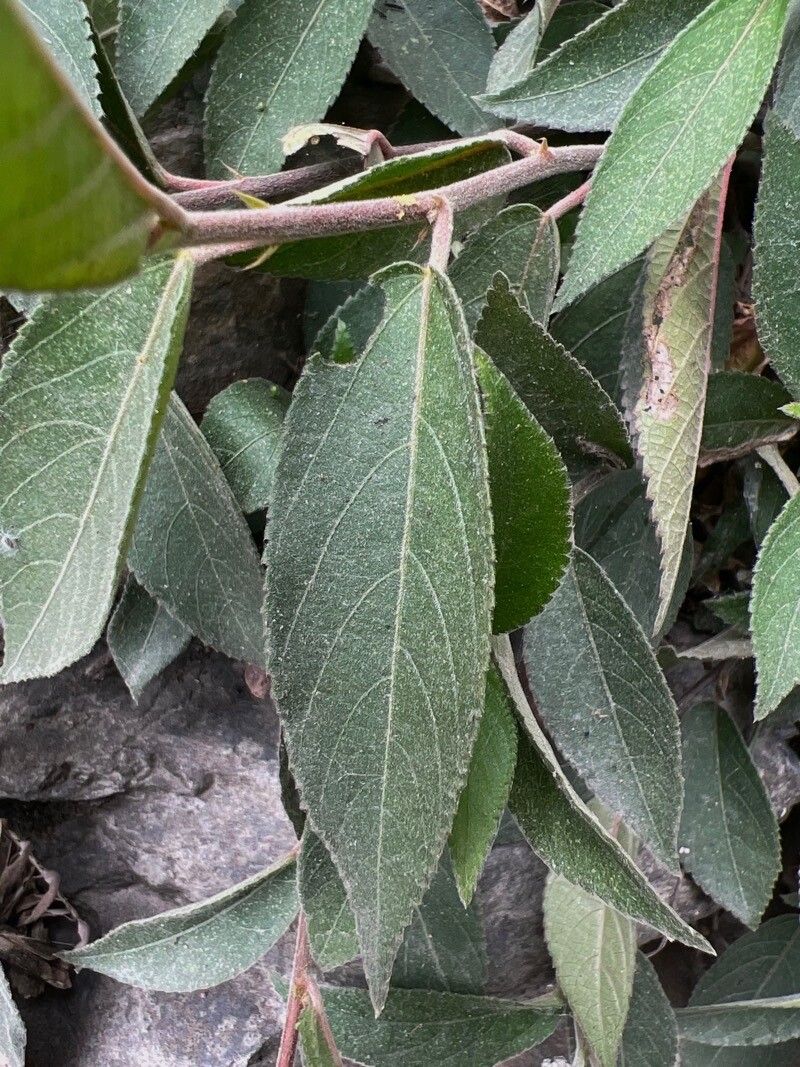
Oh, hello there! So, you’ve been bitten by the Acalypha phleoides bug, have you? I don’t blame you one bit. Its vibrant foliage and unique flower spikes are such a cheerful addition to any garden or indoor space. And let me tell you, propagating your own is incredibly satisfying. It’s like magic, watching a tiny snippet of a plant transform into a whole new life! For those of you just dipping your toes into the world of plant propagation, I’m happy to share that Acalypha phleoides is a really good one to start with. It’s quite forgiving, which is always a plus, isn’t it?
The Best Time to Start
Generally, the sweet spot for propagating Acalypha phleoides is when the plant is in an active growth phase. For most of us, this means late spring through early summer. The warmer temperatures and increasing daylight hours give those cuttings the energy they need to get established. You can certainly try a bit later in the season, but you might find success rates dip slightly as things cool down. Think of it like getting your kids started on a project with lots of sunshine and good vibes – they’re just more likely to thrive!
Supplies You’ll Need
Gathering your tools beforehand makes the whole process so much smoother. Here’s what I usually have on hand:
- Sharp pruning shears or a clean knife: You want a nice, clean cut to prevent disease.
- Acalypha phleoides parent plant: Of course! Choose a healthy, vigorous specimen.
- Potting mix: A well-draining mix is crucial. I often use a blend of equal parts peat moss and perlite, or a good quality seed-starting mix.
- Small pots or trays: Clean ones are key! Used yogurt cups with drainage holes poked in the bottom work in a pinch.
- Rooting hormone (optional but recommended): This isn’t strictly necessary for Acalypha, but it gives those cuttings a fantastic boost.
- Plastic bag or clear dome: To create a humid environment.
- Water: For misting.
- Labels: To remember what you planted and when!
Propagation Methods
There are a couple of ways to get new Acalypha plants going, and both are quite effective. I’ll walk you through my favorites.
1. Stem Cuttings: This is the most common and usually the most successful method.
- Select your cutting: Look for healthy, non-flowering stems on your parent plant. You want stems that have a bit of firmness but aren’t woody. Aim for cuttings that are about 4-6 inches long.
- Make the cut: Using your clean shears or knife, make a clean cut just below a leaf node. A leaf node is where a leaf attaches to the stem – this is where roots will emerge.
- Prepare the cutting: Gently remove the lower leaves, leaving just 2-3 leaves at the top. If the remaining leaves are very large, you can even cut them in half to reduce water loss.
- Apply rooting hormone (if using): Dip the cut end of the stem into your rooting hormone, tapping off any excess.
- Plant your cutting: Make a small hole in your pre-moistened potting mix with a pencil or your finger. Insert the cut end of the stem into the hole and gently firm the soil around it.
- Create humidity: Place the pot into a clear plastic bag or cover it with a clear dome. You want to create a mini greenhouse effect to keep the humidity high. Make sure the leaves aren’t touching the sides of the bag as much as possible.
2. Water Propagation: This is a simpler, visual method, though you’ll eventually need to pot them up.
- Select and cut your stem: Just like with stem cuttings, choose healthy, non-flowering stems about 4-6 inches long. Make a clean cut below a leaf node.
- Remove lower leaves: Strip off the bottom leaves, leaving just 2-3 at the top.
- Place in water: Plunge the cut end of the stem into a clean jar or glass of lukewarm water. Make sure no leaves are submerged in the water. If leaves touch the water, they’ll rot.
- Change water regularly: Refresh the water every few days to keep it clean and prevent bacterial growth.
- Find a bright spot: Place the jar in a bright location, but out of direct, hot sunlight.
The “Secret Sauce” (Pro Tips)
Now, here are a few little tricks I’ve picked up over the years that can really give you the edge:
- Don’t be afraid to “wound” the base: This is more for trickier plants, but for Acalypha, sometimes making a tiny vertical slit about half an inch long at the very bottom of the cutting (where you’d put the rooting hormone) can encourage root development. It’s like giving the plant an extra opening to send out roots.
- Bottom heat is your friend: If you have a heating mat designed for seedlings (which they sell at most garden centers), placing your pots on one can significantly speed up rooting, especially if your house is on the cooler side. It mimics that lovely warm soil temperature the parent plant enjoys.
Aftercare & Troubleshooting
Once you see signs of new growth or healthy roots poking out of the drainage holes (this can take anywhere from a few weeks to a couple of months), it’s time to give your new Acalypha its forever home.
- Potting up: Gently transplant your rooted cuttings into their own small pots filled with your well-draining potting mix.
- Watering: Water thoroughly until water drains from the bottom. Then, water when the top inch of soil feels dry.
- Light: Keep them in bright, indirect light. As they get stronger, you can gradually introduce them to more direct sun, but always watch for signs of scorching.
- Humidity: Continue to mist occasionally, especially if your environment is dry, until the plant is well-established.
Now, what if things don’t go quite as planned? The most common hiccup is rot. This usually happens if the cuttings are kept too wet or if the soil isn’t draining well. You might see the stem turn black and mushy. If this happens, unfortunately, that cutting is likely lost. Don’t get discouraged; just try again! Another sign of failure is if the leaves turn yellow and fall off without any new growth appearing. This can sometimes be due to too little light or a lack of humidity.
A Encouraging Closing
Propagating plants is a journey, and like any good adventure, it requires a little patience and a lot of love. Watching those tiny roots emerge and seeing a new plant unfurl its leaves is one of gardening’s greatest rewards. So, gather your supplies, get your hands dirty, and enjoy the process. You’ve got this, and I can’t wait to hear about your success with Acalypha phleoides! Happy propagating!
Resource:
https://identify.plantnet.org/k-world-flora/species/Acalypha%20phleoides%20Cav./data