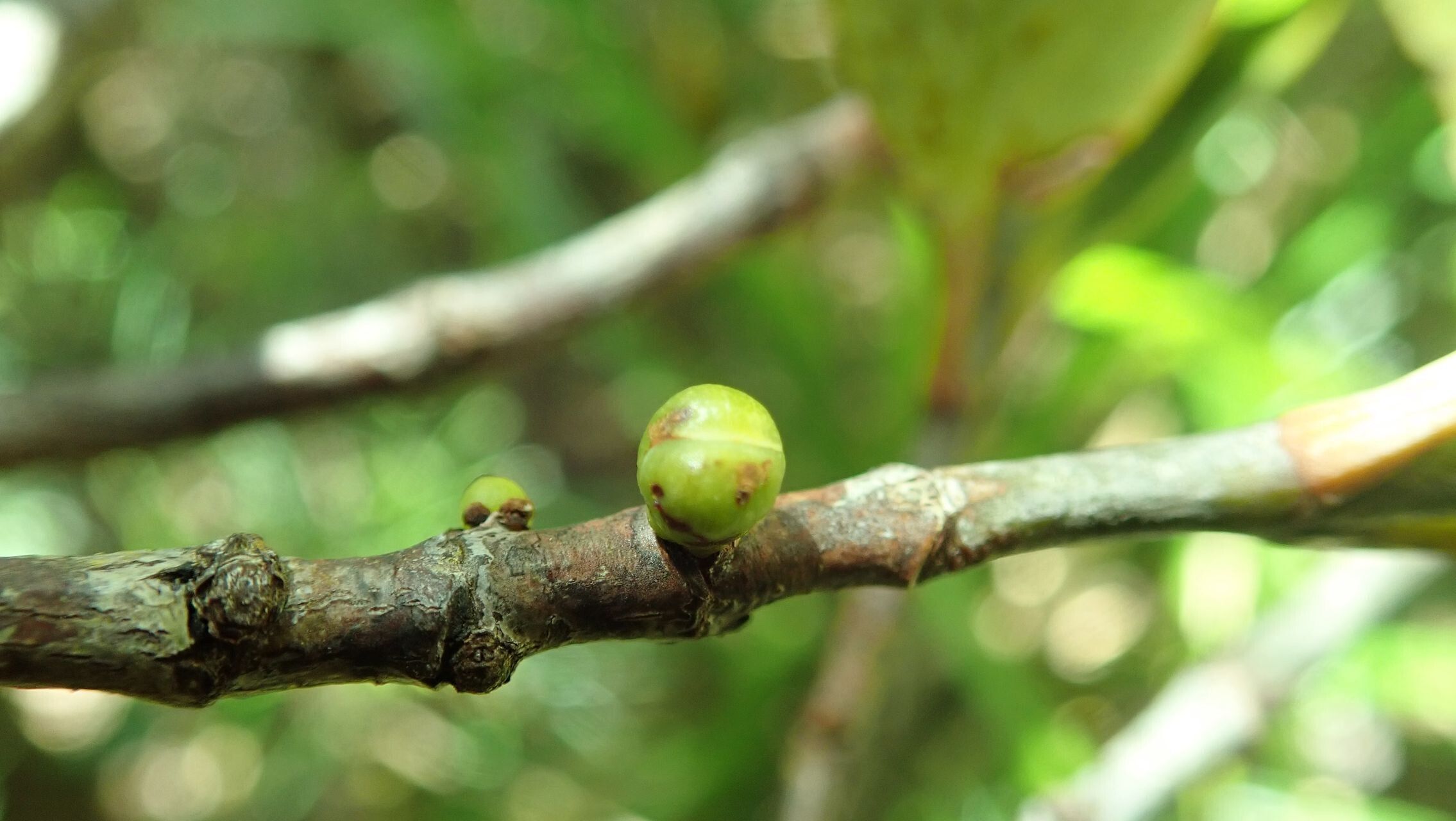
Hey there, fellow plant lovers!
It’s so lovely to have you join me in the garden today. We’re going to talk about a real gem: Garcinia hennecartii. Now, if you’re not familiar, imagine a plant with gorgeous, glossy, dark green leaves and a wonderfully compact, bushy habit. It’s the kind of plant that just fills out a space beautifully, adding a touch of tropical elegance without being unruly. And the best part? Learning to propagate it is incredibly satisfying. It might seem a little intimidating at first, but honestly, with a few pointers, it’s quite achievable. I wouldn’t necessarily put it in the “absolute beginner” category – a little bit of patience is key – but if you’ve rooted a few cuttings before, you’ll do wonderfully!
The Best Time to Start
For Garcinia hennecartii, I find that the spring and early summer are absolute gold. This is when the plant is really in its growth spurt, meaning it has more energy to put into developing new roots. You want to catch your parent plant at an active growth stage. Avoid trying to propagate from dormant material; it’s just not going to have the same oomph.
Supplies You’ll Need
Here’s what I always have on hand when I’m getting ready to propagate:
- Sharp, clean pruning shears or a hobby knife: Cleanliness is paramount to prevent disease.
- Rooting hormone (powder or gel): This is a lifesaver for encouraging root formation. I prefer a powder for stem cuttings.
- Well-draining potting mix: A good blend of peat moss, perlite, and a little bit of compost works wonders. You can also find specialized seed-starting or cutting mixes.
- Small pots or propagation trays: About 3-4 inch pots are usually perfect.
- Plastic bags or a humidity dome: To keep the humidity high around your cuttings.
- Water spray bottle: For misting.
- Labels and a marker: Essential for keeping track of what you’ve planted and when!
Propagation Methods: Let’s Get Our Hands Dirty!
The most reliable way I’ve found to propagate Garcinia hennecartii is through stem cuttings. It’s a tried-and-true method for so many of my plants, and it works beautifully here.
- Take Your Cuttings: On a healthy, actively growing stem, carefully select a section that’s about 4-6 inches long. Look for a piece that has new growth but also some established wood. Using your clean shears, make a cut just below a leaf node. A leaf node is where a leaf attaches to the stem – this is where roots are most likely to form. Remove the bottom few leaves, leaving just the top few. This helps prevent rot and reduces water loss.
- Apply Rooting Hormone: Dip the cut end of the stem into your rooting hormone. Gently tap off any excess. You want a nice, even coating.
- Pot Them Up: Fill your small pots with your prepared well-draining potting mix. Make a small hole in the center of the soil with your finger or a pencil.
- Plant Your Cuttings: Carefully insert the hormone-coated end into the hole in the soil. Gently firm the soil around the stem to ensure good contact.
- Water and Cover: Give your pots a gentle watering. You want the soil to be moist, but not waterlogged. Then, here’s a critical step for humidity: cover the pots with a clear plastic bag, or place them under a humidity dome. Make sure the leaves of the cutting don’t touch the inside of the bag – this can encourage fungal growth and rot. You might need to prop up the bag with sticks.
The “Secret Sauce” (Pro Tips)
Now, for a few things that have really made a difference for me over the years:
- Bottom Heat is Your Friend: If you can, place your pots on a propagation mat or a sunny windowsill that gets a little extra warmth. This gentle bottom heat encourages the roots to start developing from the bottom up. It’s like a little spa for your cuttings!
- Don’t Overwater: I know it sounds counterintuitive, but overwatering is the fastest way to kill a cutting. You want the soil to stay consistently moist, not soggy. Feel the soil with your finger; if the top inch feels dry, it’s time for a light watering or misting.
- Patience is a Virtue (and a Necessity): Garcinia hennecartii can be a bit slow to root, so don’t despair if you don’t see signs of growth immediately. It can take anywhere from 4-8 weeks, sometimes longer. Keep them in bright, indirect light, maintain that humidity, and trust the process.
Aftercare & Troubleshooting
Once you start seeing new leaf growth, that’s a fantastic sign that roots are developing! At this point, you can gradually start to reduce the humidity. Slowly open the plastic bag a little each day, or raise the vents on your humidity dome. Once the new growth looks robust and you feel confident, you can remove the cover entirely.
Keep them in bright, indirect light and continue to water when the top inch of soil feels dry. You’ll know your cutting has successfully rooted when you gently tug on it and feel resistance, or if you see roots emerging from the drainage holes.
The most common sign of failure is wilting and browning leaves, or a cutting that feels mushy at the base. This is usually a sign of too much moisture and poor air circulation, leading to rot. If you see this, unfortunately, the cutting is likely lost. That’s why paying attention to watering and air circulation is so vital right from the start.
A Little Bit of Green Thumb Magic
Propagating Garcinia hennecartii is a wonderful way to multiply your greenery and share your passion with others. It takes a little bit of time and attention, but seeing those first tiny roots emerge is such a rewarding experience. Don’t be discouraged if your first few attempts don’t go perfectly – that’s just part of the learning curve! Enjoy the process, embrace the experimentation, and happy propagating!
Resource: