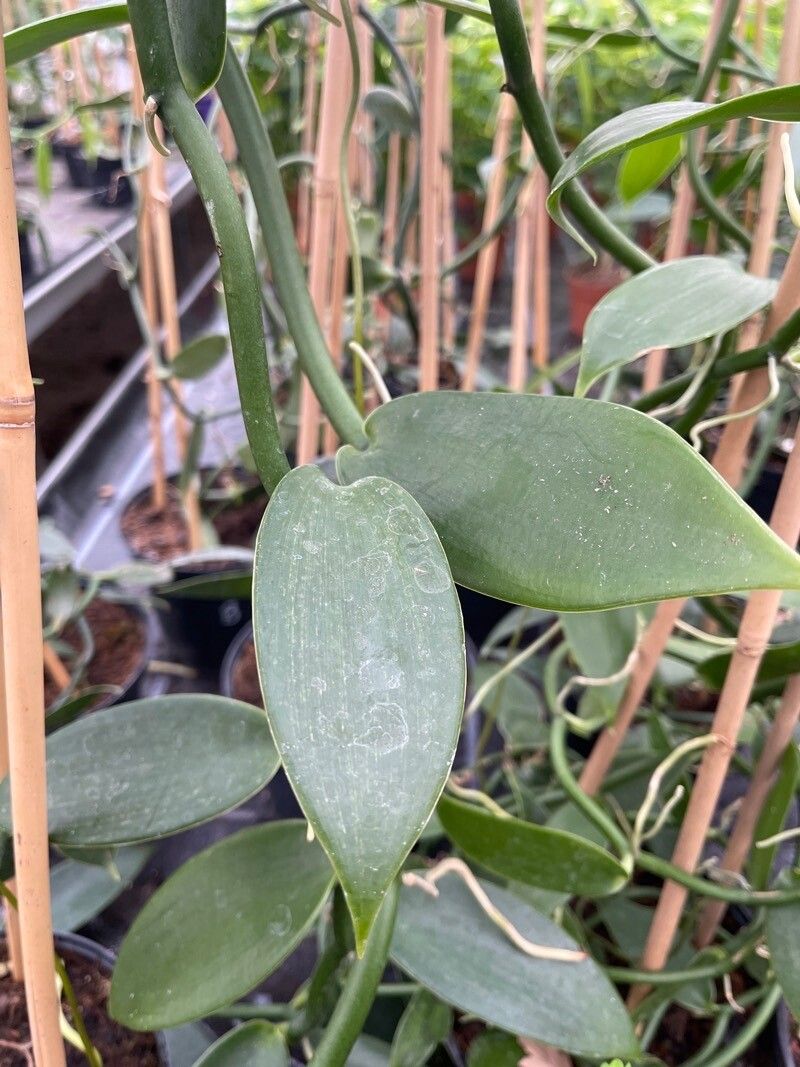
Oh, this is a lovely topic! Vanilla planifolia – the queen of vanillas. I remember the first time I saw one unfurl its incredible blossoms, and then the intoxicating scent that followed. It’s a truly magical plant, and bringing new life into the world from it? That’s pure garden joy.
Why Propagate Vanilla planifolia?
Let’s be honest, Vanilla planifolia can be a bit of a diva. It’s not exactly a “stick it in the ground and forget it” kind of plant. For beginners, it might present a few hurdles. But the reward is immense! Imagine nurturing your own vanilla vine, watching it grow, and maybe, just maybe, one day savoring your own home-grown vanilla beans. It’s a connection to history, to flavor, and to this incredible botanical wonder. Propagating it lets you share that magic with friends or simply expand your own collection of this precious plant.
The Best Time to Start
For the highest success rate with Vanilla planifolia, I always recommend spring or early summer. This is when the plant is naturally in a vigorous growth phase. New stems are plumper, and the warmth and increased daylight just seem to encourage everything to root and take off. Trying to propagate too late in the fall might mean your cuttings don’t have enough time to establish before cooler, less favorable conditions arrive.
Supplies You’ll Need
Gathering your tools beforehand makes the whole process much smoother. Here’s what I always have on hand:
- Sharp, clean pruning shears or a sharp knife: A clean cut is crucial to prevent disease.
- Potting mix: A well-draining mix is paramount. I usually use a blend of orchid bark, perlite, and a little bit of coco coir. You want it airy and light.
- Small pots or propagation trays: Make sure they have drainage holes.
- Rooting hormone (optional but recommended): A good quality rooting powder or gel can give your cuttings a significant boost.
- Watering can with a fine rose or a spray bottle: Gentle watering is key.
- Clear plastic bags or a humidity dome: To keep humidity levels high for those initial stages.
- Labels and a marker: Trust me, you’ll thank yourself later for labeling your cuttings!
- Coir poles or other supports: For when your new plants start to climb.
Propagation Methods
While there are a few ways to go, the most reliable for home gardeners is stem cuttings.
Stem Cuttings:
- Select a healthy stem: Look for a mature, but not woody, stem on your Vanilla planifolia. Ideally, it should have at least 2-3 healthy nodes (the bumps where leaves emerge).
- Make the cut: Using your sharp shears or knife, make a clean cut just below a node. Think of it like giving it a clean sever for a fresh start.
- Prepare the cutting: Remove any lower leaves, leaving just the top 1-2 leaves. If the leaves are very large, you can even cut them in half horizontally to reduce water loss.
- Apply rooting hormone (if using): Dip the cut end into your rooting hormone, tapping off any excess.
- Plant the cutting: Gently insert the cut end into your prepared, damp potting mix, ensuring at least one node is buried. Don’t pack the soil too tightly around it.
- Provide humidity: Water gently, then cover the pot with a clear plastic bag or place it under a humidity dome. Make sure the plastic doesn’t touch the leaves if possible. Place it in a warm spot with bright, indirect light. Avoid direct sun, which can scorch a tender new cutting.
Water Propagation (use with caution for Vanilla):
While possible, I find vanilla cuttings are more prone to rot in water. If you choose this method, be extra diligent.
- Prepare the cutting: Just like with stem cuttings, take a section with at least 2-3 nodes, and remove lower leaves.
- Place in water: Submerge the bottom node or two in a jar of clean water. Crucially, ensure no leaves are touching the water.
- Change water regularly: Change the water every 2-3 days to keep it fresh and prevent bacterial growth.
- Wait for roots: It can take several weeks to see small white roots emerge. Once they are about an inch long, you can carefully pot them into your well-draining soil mix.
The “Secret Sauce” (Pro Tips)
After many years of coaxing these beauties to grow, a few things have become my reliable go-to’s.
- Bottom Heat is Your Friend: If you have a seedling heat mat, use it! Placing your pots with cuttings on a gentle heat mat can significantly speed up the rooting process. It mimics the warmth of tropical soil beautifully.
- Don’t Overwater, Ever: This is the number one killer of cuttings, especially for a plant that prefers to dry out slightly between waterings. The goal is for the soil to be moist, not soggy. If you can gently press the soil and water squeezes out, it’s too wet.
- Patience is a Virtue (and a Necessity): Vanilla can be a slow starter. Don’t pull up your cuttings every day to check for roots! Give them a good month or more. Look for new leaf growth as your best indication that rooting has occurred.
Aftercare & Troubleshooting
Once you spot new growth, congratulations! You’ve got a new baby vanilla.
- Gradual Acclimation: As your cutting develops roots and shows signs of new growth, gradually reduce the humidity. Start by opening the plastic bag for a few hours a day, then remove it entirely.
- Light and Water: Continue with bright, indirect light. Water only when the top inch of soil feels dry to the touch.
- Support: As they grow, your vanilla will want to climb. Provide a coir pole or other suitable support for the stem to attach to. Mist the aerial roots occasionally to keep them happy.
Troubleshooting:
- Yellowing Leaves: This can be a sign of overwatering, or sometimes underwatering. Check your soil moisture carefully. It can also be a natural shedding of old leaves as the plant directs energy to new growth.
- Wilting: Often due to insufficient rooting or severe underwatering. Ensure the humidity is still adequate if it’s very new.
- Rotting/Mushy Stems: This is usually caused by overwatering and poor drainage. If you see this, it’s often hard to save the cutting. Remove it promptly to prevent the rot from spreading.
Keep Going!
See? It’s not rocket science, but it does require a bit of love and attention. Don’t be discouraged if your first attempt isn’t a runaway success. Every gardener has lost a cutting or two along the way. The key is to learn from it, adjust your technique, and try again. Enjoy the process of nurturing new life – that’s what gardening is all about!
Resource:
https://identify.plantnet.org/k-world-flora/species/Vanilla%20imperialis%20Kraenzl./data