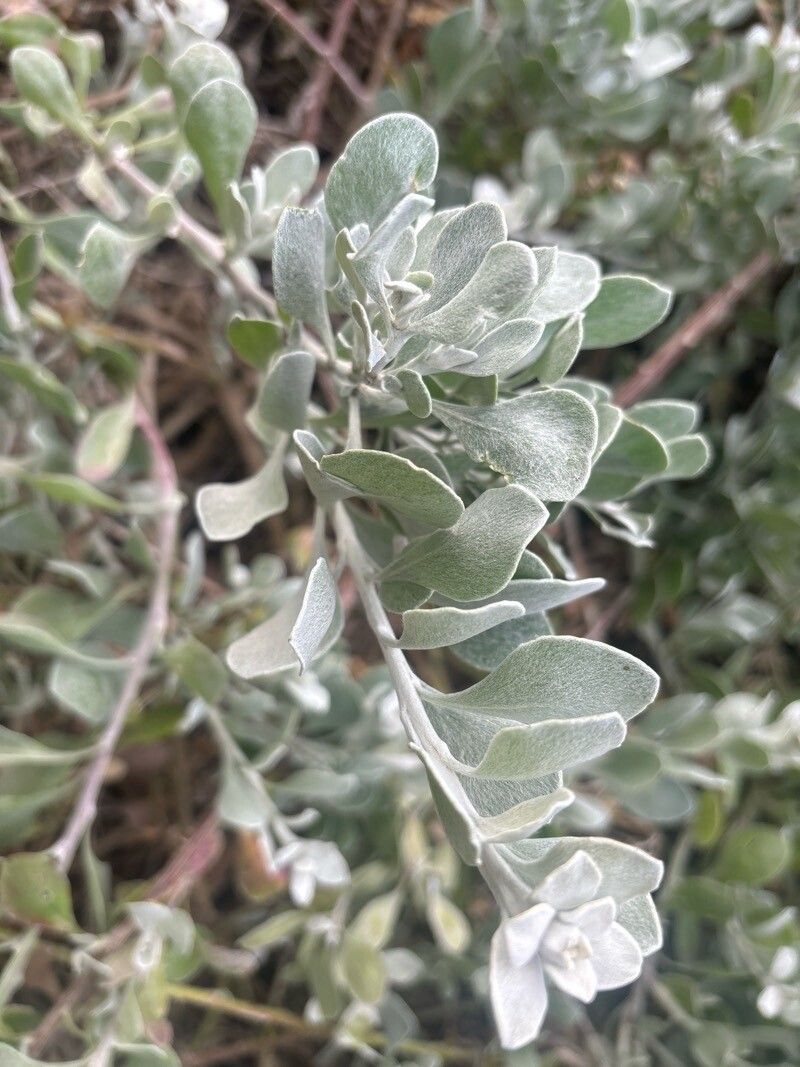
Grow More Blooms: Your Guide to Propagating Osteospermum incanum
Oh, Osteospermum incanum, isn’t it just a delight? Those cheerful, daisy-like flowers bring such vibrancy to the garden, and the best part? You can easily multiply these beauties and fill your beds and containers without spending a dime at the nursery. I’ve been playing with Osteospermum for years, and propagating them is one of my favorite ways to get more of a good thing. If you’re new to plant propagation, you’ll be happy to hear that Osteospermum incanum is quite forgiving. You’ll likely have success on your first try!
When to Get Your Hands Dirty
The sweet spot for propagating Osteospermum incanum is late spring to early summer. This is when the plant is actively growing and producing nice, pliable stems. Starting after the first flush of blooms has faded is usually perfect. We’re looking for stems that are somewhere between new, soft growth and old, woody stems. Think of it as the “just right” stage – firm but not tough.
What You’ll Need for Success
Gathering your supplies beforehand makes the whole process so much smoother. Here’s what I always have on hand:
- Sharp pruning shears or a clean knife: For making clean cuts.
- Rooting hormone (optional but helpful): A little powder can give your cuttings a boost.
- Small pots or seed trays: With drainage holes, of course!
- A light, well-draining potting mix: I like a blend of peat moss, perlite, and a bit of compost. Or, you can buy a good quality seed-starting mix.
- Clear plastic bags or a propagation dome: To create a humid environment.
- Watering can or spray bottle: For gentle watering.
Let’s Grow Some Osteospermum!
There are a couple of great ways to multiply your Osteospermum incanum. I usually favor stem cuttings, as it’s reliable and gives you plenty of new plants.
Stem Cuttings
- Select your stems: Find those non-flowering, healthy stems from your mature plant. Aim for pieces about 4-6 inches long.
- Make the cut: Using your clean shears or knife, cut just below a leaf node (where a leaf attaches to the stem). A sharp cut prevents crushing the stem.
- Prepare the cutting: Gently strip off the lower leaves. You want to expose at least two leaf nodes along the stem, as this is where roots will emerge. You can leave one or two sets of leaves at the top to help the cutting photosynthesize.
- Apply rooting hormone (if using): Dip the cut end of the stem into your rooting hormone powder, tapping off any excess.
- Plant your cuttings: Fill your pots with your potting mix. Make a small hole with your finger or a pencil and insert the cut end of the stem, burying the leaf nodes you exposed. Gently firm the soil around the stem.
- Water gently: Water thoroughly until the soil is evenly moist but not waterlogged.
- Create humidity: Cover the pot with a clear plastic bag or place it under a propagation dome. This traps moisture, which is crucial for the cuttings to root. You can secure the bag with a rubber band around the pot.
Water Propagation
This method is a bit more hands-on but incredibly satisfying to watch.
- Prepare cuttings: Follow steps 1-3 from the stem cutting method.
- Place in water: Put your prepared cuttings into a jar or glass of clean, room-temperature water. Make sure the leaf nodes you exposed are submerged, but do not let the leaves themselves touch the water.
- Change water regularly: Change the water every few days to keep it fresh and prevent rot.
- Find a bright spot: Place the jar in a location with bright, indirect light.
- Wait for roots: You should start to see roots forming within a couple of weeks. Once the roots are about an inch long, they are ready to be transplanted into pots.
The “Secret Sauce” (My Two Cents)
- Bottom Heat is Your Friend: If you’re having trouble getting cuttings to root, especially if it’s a bit cooler, a heating mat placed under your pots can make a huge difference. It encourages root development from the bottom up.
- Don’t Overwater! This is probably the biggest mistake new propagators make. Cuttings sitting in soggy soil are far more likely to rot than to root. Aim for consistently moist, not wet, conditions.
- Prune for Vigor: Before you even take cuttings, consider giving your main Osteospermum a good haircut in late spring. This not only encourages fuller growth but also provides you with plenty of perfect material for propagation.
Aftercare and What to Watch For
Once you see those lovely little roots poking out of the drainage holes or a good root system developing in water, it’s time for a little extra care.
- Potting Up: For cuttings rooted in soil, continue to keep them moist and humid. Once they have a strong root system, you can transition them into their own small pots, using your regular potting mix.
- Acclimating: If you used a plastic bag or dome, gradually acclimate your new plants to the outside air over a few days. Open the bag a little more each day before removing it entirely.
- Watering: Water them well after transplanting, and then water whenever the top inch of soil feels dry.
- Signs of Trouble: The most common issue is rot. If your cuttings turn black and mushy at the base, it’s usually a sign of too much moisture. Yellowing leaves can also indicate overwatering or, less commonly, a lack of light. If you see stem rot, unfortunately, that cutting is likely lost, but don’t be discouraged – try again!
Go Forth and Grow!
Seeing a new plant emerge from a tiny cutting is one of the most rewarding parts of gardening. Be patient with your Osteospermum incanum; sometimes, it takes a little time. Enjoy the process, celebrate your successes, and don’t be afraid to experiment. Soon, you’ll have Osteospermum galore to share with friends or simply to brighten every corner of your garden. Happy propagating!
Resource:
https://identify.plantnet.org/k-world-flora/species/Osteospermum%20incanum%20Burm.f./data