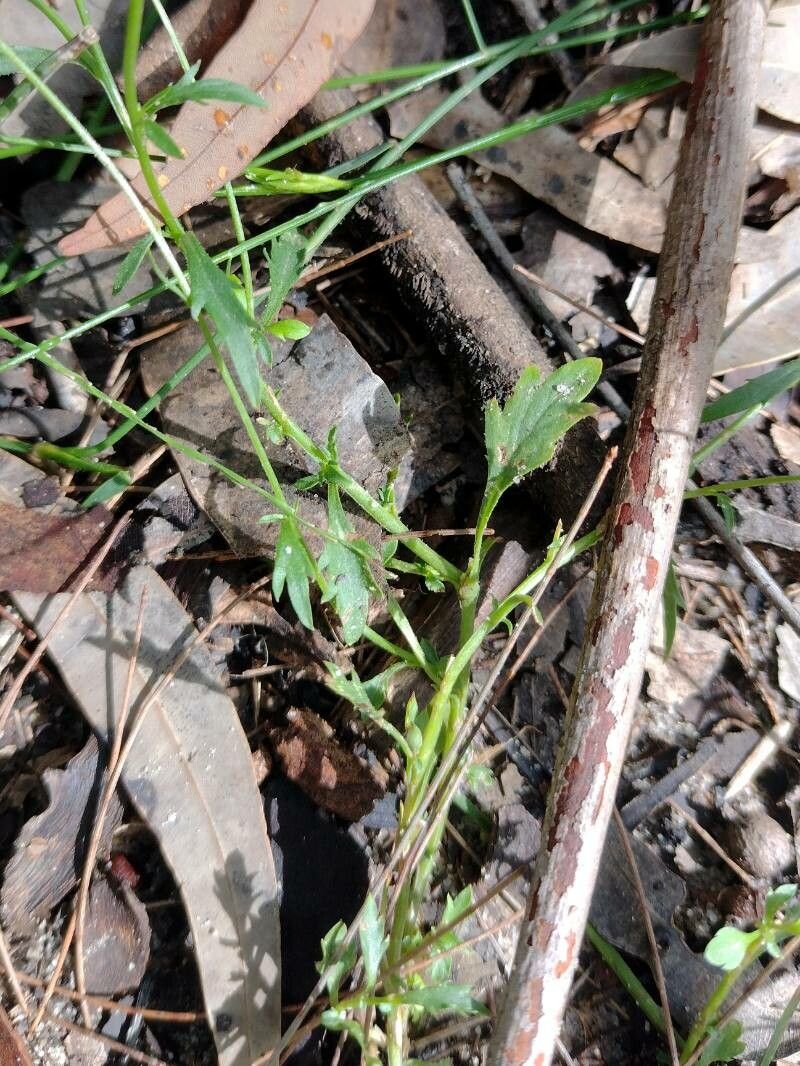
Oh, Lobelia andrewsii! If you’ve ever seen this gorgeous native wildflower gracing your garden with its vibrant blue spires, you know exactly why I’m so excited to talk about propagating it today. It’s a real showstopper, isn’t it? That intense blue is just… captivating. And the best part? You can easily share that beauty by making more plants yourself. Don’t you just love the idea of having an endless supply of that delightful color? For us gardeners, growing from seed or cuttings is part of the adventure, a way to deepen our connection with our plants. Now, is Lobelia andrewsii a walk in the park for absolute beginners? I’d say it’s maybe a gentle stroll for those new to propagation, but with a little guidance, anyone can have success.
When’s the Best Time to Get Started?
Timing is everything, as we all know! For Lobelia andrewsii, the sweet spot for propagation is late spring to early summer. This is when the plant is actively growing and producing plenty of fresh, healthy stems. Starting after the last frost has passed ensures your little cuttings have a warm environment to root into. You can also take cuttings a bit later in the season, but the earlier you start, the more established your new plants will be before cooler weather arrives.
What You’ll Need for Success
Gathering your supplies beforehand makes the whole process so much smoother. Here’s what I typically have on hand:
- Sharp Pruning Shears or a Craft Knife: For clean cuts that heal best.
- Rooting Hormone (Optional but Recommended): A little boost can make a big difference. I prefer a powder or gel.
- Well-Draining Potting Mix: A mix designed for seed starting or cuttings, often with perlite or vermiculite, is perfect. Avoid heavy garden soil.
- Small Pots or Trays: Clean containers with drainage holes are a must.
- Watering Can with a Fine Rose: For gentle watering.
- Plastic Bags or a Propagator: To create a humid environment.
- Labels: To keep track of what you’ve planted!
Bringing New Lobelia to Life: My Favorite Methods
I’ve found a couple of methods work wonderfully for Lobelia andrewsii.
Method 1: Stem Cuttings – My Go-To
This is my favorite way to propagate these beauties. It’s reliable and you get a strong, established plant relatively quickly.
- Select Your Stems: Look for young, healthy, non-flowering shoots that are about 4-6 inches long. You want stems that are flexible but not floppy.
- Make the Cut: Using your sharp pruners or knife, make a clean cut just below a leaf node. This is the point where a leaf attaches to the stem, and it’s where roots are most likely to form.
- Prepare the Cutting: Gently remove the lower leaves, leaving just two or three sets of leaves at the top. This prevents them from rotting in the soil. If your leaves are quite large, you can even cut them in half horizontally to reduce water loss.
- Dip in Rooting Hormone (Optional): Lightly dip the cut end of the stem into your rooting hormone, tapping off any excess.
- Plant Your Cuttings: Fill your clean pots with your prepared potting mix. Make a small hole with a pencil or your finger, then insert the cutting, ensuring the leaf nodes are buried. Gently firm the soil around the stem.
- Water Gently: Water thoroughly but gently until water drains from the bottom.
- Create Humidity: Cover the pots with a clear plastic bag or place them in a propagator. Prop the bag up with a few stakes so it doesn’t touch the leaves.
Method 2: Water Propagation – Simple and Satisfying
This is a wonderfully simple method, perfect if you want to see the roots develop!
- Take Your Cuttings: Follow steps 1-3 from the stem cutting method.
- Place in Water: Put the prepared cuttings in a clean jar or glass of room-temperature water. Make sure no leaves are submerged below the waterline; those will just rot. The leaf nodes you removed should be above the water level.
- Find a Bright Spot: Place the jar in a location with bright, indirect light.
- Change Water Regularly: Change the water every 2-3 days to keep it fresh and prevent bacterial growth.
- Wait for Roots: You should start to see tiny white roots appear after a couple of weeks. Once the roots are about an inch long, it’s time to transplant them into soil.
The “Secret Sauce”: My Insider Tips
Here are a few little tricks I’ve learned over the years that really help boost success.
- Bottom Heat is Your Friend: If you can, place your pots on a heating mat designed for plant propagation. Lobelia andrewsii roots much faster and more reliably when the soil is kept consistently warm, around 70-75°F (21-24°C). It makes a noticeable difference, especially in cooler conditions.
- Don’t Let the Leaves Touch the Water (Water Propagation): I mentioned this earlier, but it’s so crucial! Any leaves that sit in the water will decay and introduce harmful bacteria, which can kill your cutting before it even has a chance to root.
- Mist Daily (or Twice Daily!): While the plastic bag or propagator creates humidity, it’s still a good idea to lightly mist the cuttings and the inside of the bag once or twice a day. This keeps the leaves supple and encourages them to take up moisture while they’re developing roots.
Aftercare and What to Watch For
Once you see those first signs of roots emerging from the bottom of the pot or from your water-propagated cuttings, it’s a truly joyous moment!
- Rooted Cuttings: Once your cuttings have developed a good root system (you can gently tug on them; if there’s resistance, they’re rooted), it’s time to gradually acclimate them to slightly less humid conditions. Remove the plastic bag for a few hours each day, slowly increasing the time over a week. Then, transplant them into slightly larger pots with your general potting mix. Keep them well-watered and in bright, indirect light.
- Water Cuttings: Gently plant your water-rooted cuttings into pots with fresh potting mix. Water them in well and keep the soil consistently moist for the first week or two, as they transition to soil.
What if things go wrong? The most common culprits are rot and dehydration. If your cuttings look black and mushy at the base, that’s rot, usually caused by too much moisture and not enough air circulation. If they look wilted and dry, they’ve probably dried out. Don’t be discouraged if a few don’t make it. It happens to the best of us! Learn from it, make adjustments, and try again.
Happy Propagating!
There you have it – my guide to propagating Lobelia andrewsii. It’s a rewarding process that brings the magic of those stunning blue flowers within easy reach. Be patient with your cuttings, give them the right conditions, and enjoy watching them grow. Soon you’ll be sharing your beautiful Lobelia with friends or simply enjoying an even more spectacular display in your own garden. Happy planting!
Resource:
https://identify.plantnet.org/k-world-flora/species/Lobelia%20andrewsii%20Lammers/data