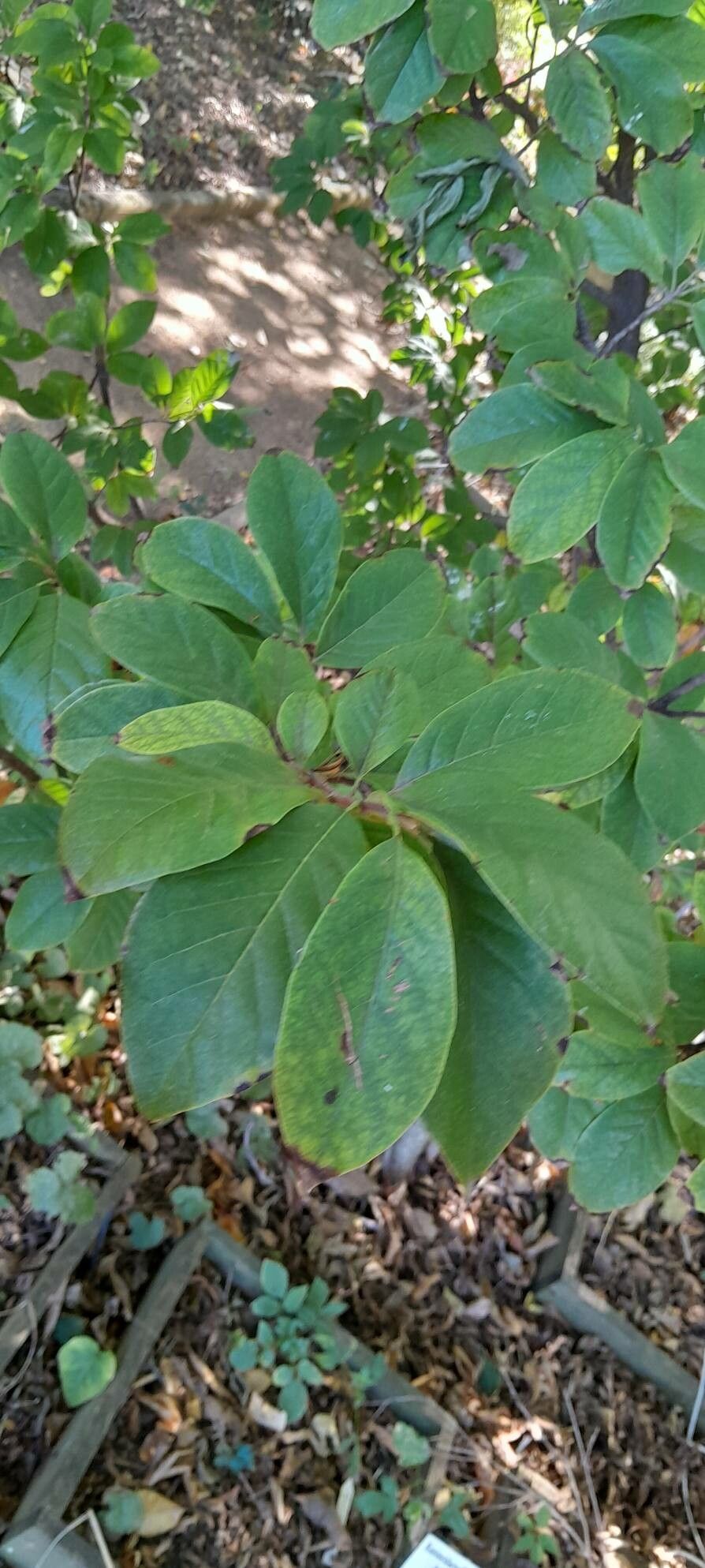
Hello fellow plant lovers! It’s so lovely to have you join me today. We’re going to dive into the wonderful world of propagating Magnolia cylindrica, a truly special magnolia that offers such delicate beauty with those lovely cylindrical blooms. There’s a real thrill in watching a tiny cutting transform into its own independent plant, isn’t there? It’s a rewarding journey, and while Magnolia cylindrica can be a tad particular, I promise you it’s absolutely achievable with a little care and patience.
The Best Time to Start
For the best success with propagating Magnolia cylindrica, I find that early summer, just as the plant finishes its main flush of growth, is the prime time. You want to work with semi-hardwood cuttings. These are stems that are starting to mature but still have some flexibility. They’re not too soft and leafy like new growth, nor are they stiff and woody like dormant branches.
Supplies You’ll Need
Here’s a handy checklist of what you’ll want to have on hand:
- Sharp Pruning Shears or a Knife: Cleanliness is key to preventing disease!
- Rooting Hormone: A good quality powder or gel will give your cuttings a great start.
- Rooting Medium: I prefer a well-draining mix. A blend of equal parts peat moss or coco coir and perlite or coarse sand works wonderfully.
- Small Pots or Trays: Clean, with drainage holes, of course.
- Plastic Bags or a Propagator: To maintain high humidity around your cuttings.
- Watering Can with a Fine Rose: For gentle watering.
- Patience! This is perhaps the most crucial ingredient.
Propagation Methods: Stem Cuttings
The most reliable way I’ve found to get new Magnolia cylindrica plants going is through stem cuttings.
- Taking the Cuttings: On a cool, overcast morning is ideal. Look for healthy, current-season shoots that are beginning to firm up. You’re aiming for cuttings about 4-6 inches long. Make a clean cut just below a leaf node (where a leaf attaches to the stem) – this is where rooting hormones often work best.
- Preparing the Cuttings: Gently remove the lower leaves, leaving just the top two or three. This helps reduce water loss and prevents leaves from rotting in the rooting medium.
- Dipping in Rooting Hormone: Moisten the cut end of the stem slightly with water, then dip it into your rooting hormone, tapping off any excess. This step significantly boosts your chances of success.
- Planting the Cuttings: Make a hole in your prepared rooting medium with a pencil or your finger. Insert the cutting into the hole, ensuring the leaf nodes are submerged. Gently firm the medium around the base of the cutting.
- Creating a Humid Environment: Water the medium thoroughly but gently. Then, cover the pots or tray with a clear plastic bag or place them in a propagator. This keeps the humidity high, which is vital for cuttings to develop roots before they dry out. Make sure the leaves don’t touch the sides of the bag if possible.
The “Secret Sauce” (Pro Tips)
Here are a couple of things I’ve learned over the years that really make a difference:
- Bottom Heat is Your Friend: Magnolia cylindrica cuttings absolutely love a bit of warmth from below. Placing your pots on a heated propagator mat can really speed up the rooting process and increase your success rate. Just a gentle warmth, around 70-75°F (21-24°C), will do wonders.
- Don’t Disturb Too Soon: It’s tempting to peek and see if there are roots, but resist the urge! Leave the cuttings undisturbed for at least 6-8 weeks, and often longer. You’ll know they’re rooting when you start to see new leaf growth, or when you gently tug and feel resistance.
Aftercare & Troubleshooting
Once you see signs of new growth, it’s time to slowly acclimate your cuttings. Gradually open the plastic bag a little each day over about a week to let them adjust to lower humidity. Keep the soil consistently moist but not soggy. When they have a good root system (you might see roots emerging from the drainage holes), you can carefully pot them into their own individual, slightly larger pots with a good quality potting mix.
The most common issue you’ll encounter is rot. If a cutting turns black and mushy, it’s usually a sign of too much moisture and not enough air circulation, or perhaps it didn’t get enough ventilation in its humid cover. Ensure your rooting medium is well-draining and never let cuttings sit in water. If you see mold, increase ventilation.
A Heartfelt Closing
Propagating Magnolia cylindrica is a journey that requires a bit of patience, but the reward of nurturing a new plant from a small cutting is immeasurable. Don’t be discouraged if your first attempts aren’t perfect – gardening is all about learning and adapting. Keep trying, enjoy the process, and soon you’ll have a beautiful new magnolia to cherish! Happy propagating!
Resource:
https://identify.plantnet.org/k-world-flora/species/Magnolia%20cylindrica%20E.H.Wilson/data