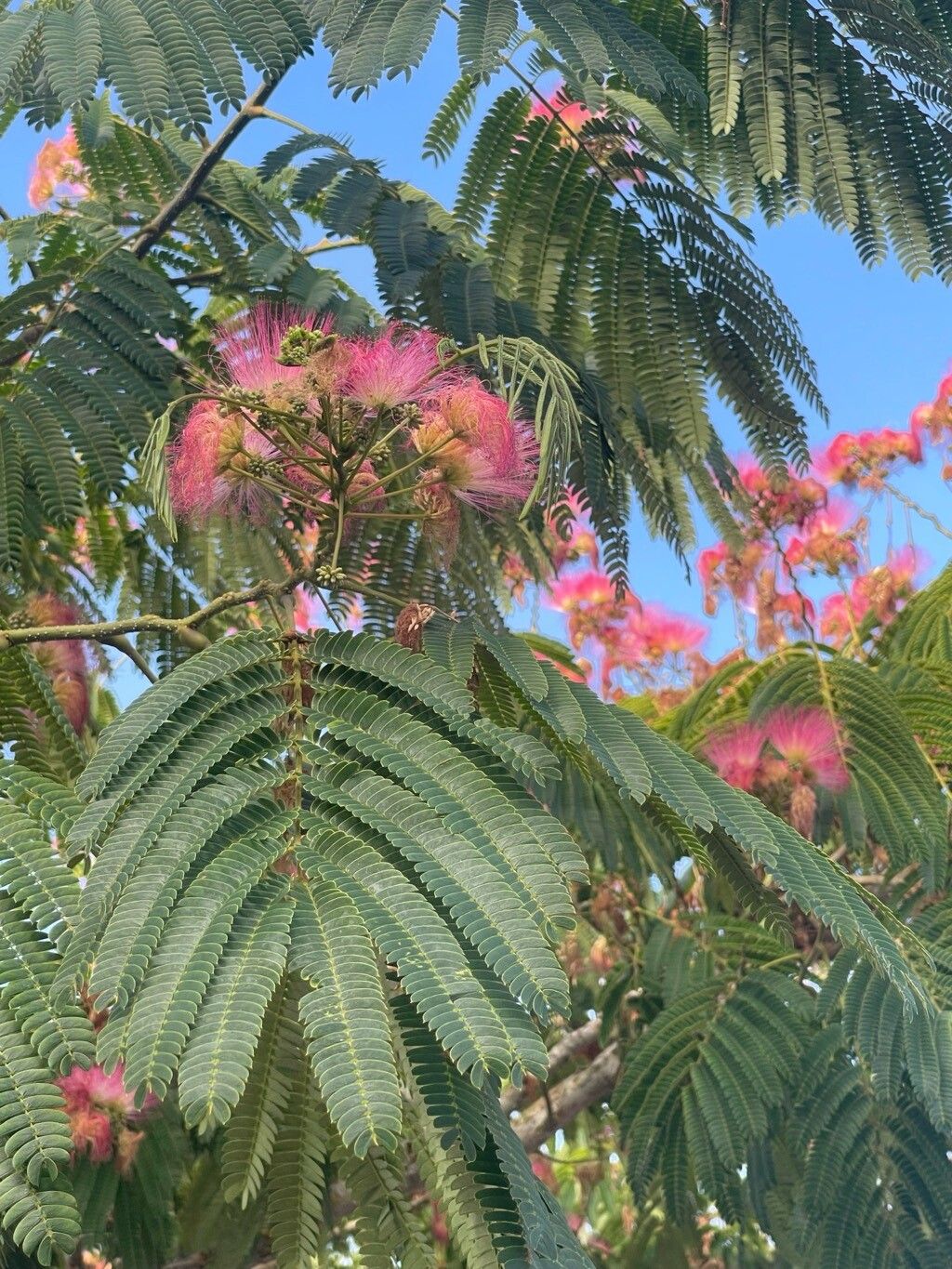
Oh, hello there! Pull up a chair and let’s chat about one of my absolute favorite trees: the Albizia, or Silk Tree, as it’s often called. Isn’t it just magical with those feathery, pink, almost otherworldly blooms? They truly bring a touch of the tropics to our gardens, and honestly, the fragrance is just heavenly on a summer evening.
If you’ve ever admired a majestic Silk Tree and thought, “I’d love one of those!” – or perhaps you already have one and can’t resist the urge to create more – then you’re in the right place. Propagating these beauties is a deeply rewarding journey. It’s not the absolute easiest plant for a complete beginner, but with a little patience and these tips, you’ll be well on your way.
The Best Time to Start
For the highest success rate with Albizia julibrissin, mid-spring to early summer is your golden window. This is when the plant is actively growing, and young shoots have the energy to push out roots. You’ll want to select vigorous, new growth that’s not yet woody. Think of it like picking the freshest, most tender asparagus – that’s the kind of material you’re looking for.
Supplies You’ll Need
Before we get our hands dirty, let’s gather our tools. Having everything ready makes the process much smoother and more enjoyable.
- Sharp Pruning Shears or a Knife: Cleanliness is key to preventing disease transfer.
- Rooting Hormone: This isn’t strictly mandatory, but it dramatically increases your chances of success. Look for one with IBA (indole-3-butyric acid).
- A Well-Draining Potting Mix: I like a blend of equal parts peat moss or coco coir, perlite, and seed-starting mix. This provides aeration and moisture retention without getting waterlogged.
- Small Pots or Trays: 4- to 6-inch pots are usually perfect for starting cuttings.
- Plastic Bags or a Propagation Dome: This creates a humid environment, which is crucial for cuttings.
- Watering Can with a Fine Rose: Gentle watering is essential.
- Labels and a Permanent Marker: Don’t skip this! Trust me, you’ll thank yourself later when you have a tray of similar-looking seedlings.
Propagation Methods
While you can try from seed, stem cuttings are generally the most reliable and quickest way to propagate Albizia. Here’s how I do it:
Stem Cuttings
- Select Your Cuttings: Head out during the active growing season. Look for semi-hardwood stems – they should be flexible but not floppy. You want shoots that are about 6-8 inches long. Snap a stem, and if it bends but doesn’t cleanly break, you’re on the right track.
- Prepare the Cuttings: Using your clean shears, make a clean cut just below a leaf node. Remove the lower leaves, leaving only the top two or three. This reduces moisture loss and prevents leaves from rotting in the soil.
- Apply Rooting Hormone: Dip the cut end of each cutting into your rooting hormone powder or gel. Tap off any excess. This is like giving your cutting a little boost of encouragement!
- Plant the Cuttings: Fill your pots with your prepared potting mix. Make a hole in the center with a pencil or your finger. Insert the treated cutting into the hole, ensuring the node with the lowest leaves is buried. Gently firm the soil around the cutting.
- Create Humidity: Water the soil gently. Then, cover the pot with a clear plastic bag, securing it around the rim with a rubber band, or place the pot inside a propagation dome. If using a bag, you can use small stakes to keep it from touching the leaves.
- Provide Light and Warmth: Place your pots in a bright location, but out of direct sunlight. A warm spot is ideal; think on top of a refrigerator or near a gentle heater.
Water Propagation (Less Common for Albizia, but worth a try with young shoots!)
For very young, succulent shoots, sometimes a simple water start can work. Take a cutting as described above, remove lower leaves, and place it in a jar of clean water. Ensure that no leaves are submerged in the water. Change the water every few days. Once you see significant root growth (at least an inch long), you can carefully transplant it into soil. This method is more prone to rot for woody plants, so soil is usually better.
The “Secret Sauce” (Pro Tips)
Here are a few things I’ve learned over the years that make a big difference:
- Bottom Heat is Your Friend: Albizia cuttings love warmth from below. A heat mat designed for propagation can significantly speed up root development and increase success rates. It mimics the warmth of the soil in summer.
- Don’t Overwater, But Don’t Let Them Dry Out: This is a fine balance. The plastic bag or dome is crucial for retaining moisture. Check the soil every few days by gently touching it. If it feels dry, water sparingly. You want it moist, not soggy. If you see condensation on the inside of the bag, that’s a good sign of healthy humidity.
- Be Patient with the Leaf Drop: It’s perfectly normal for a cutting to drop a leaf or two after you’ve taken it. Don’t panic! It’s the plant conserving energy. As long as the stem looks healthy and not mushy, keep it going.
Aftercare & Troubleshooting
Once you start seeing new growth on your cuttings, that’s usually a strong indication that roots have formed. You can also gently try to tug on the cutting – if there’s resistance, roots are developing.
- Acclimatize: Gradually remove the plastic bag or open the propagation dome over a week or two. This helps the new plant adjust to lower humidity.
- Potting Up: Once they have a good root system, you can pot them up into slightly larger pots with a similar well-draining mix.
- Watch for Rot: The biggest enemy of cuttings is rot, which usually comes from overwatering and poor drainage. If your cutting turns black or mushy at the base, it’s likely rotted. Discard it and try again. Ensure your potting mix is airy and that water can drain freely from the pot.
A Little Encouragement
Propagating any plant is a lesson in patience and observation. Some cuttings will take off beautifully, while others might not make it. That’s just part of the gardening dance! Don’t be discouraged if your first attempts aren’t perfect. Each season brings new opportunities to learn and grow. Enjoy the process, celebrate your successes, and soon you’ll have your own little leafy treasures to share or plant in your garden. Happy propagating!
Resource:
https://identify.plantnet.org/k-world-flora/species/Albizia%20julibrissin%20Durazz./data