Hello fellow plant lovers!
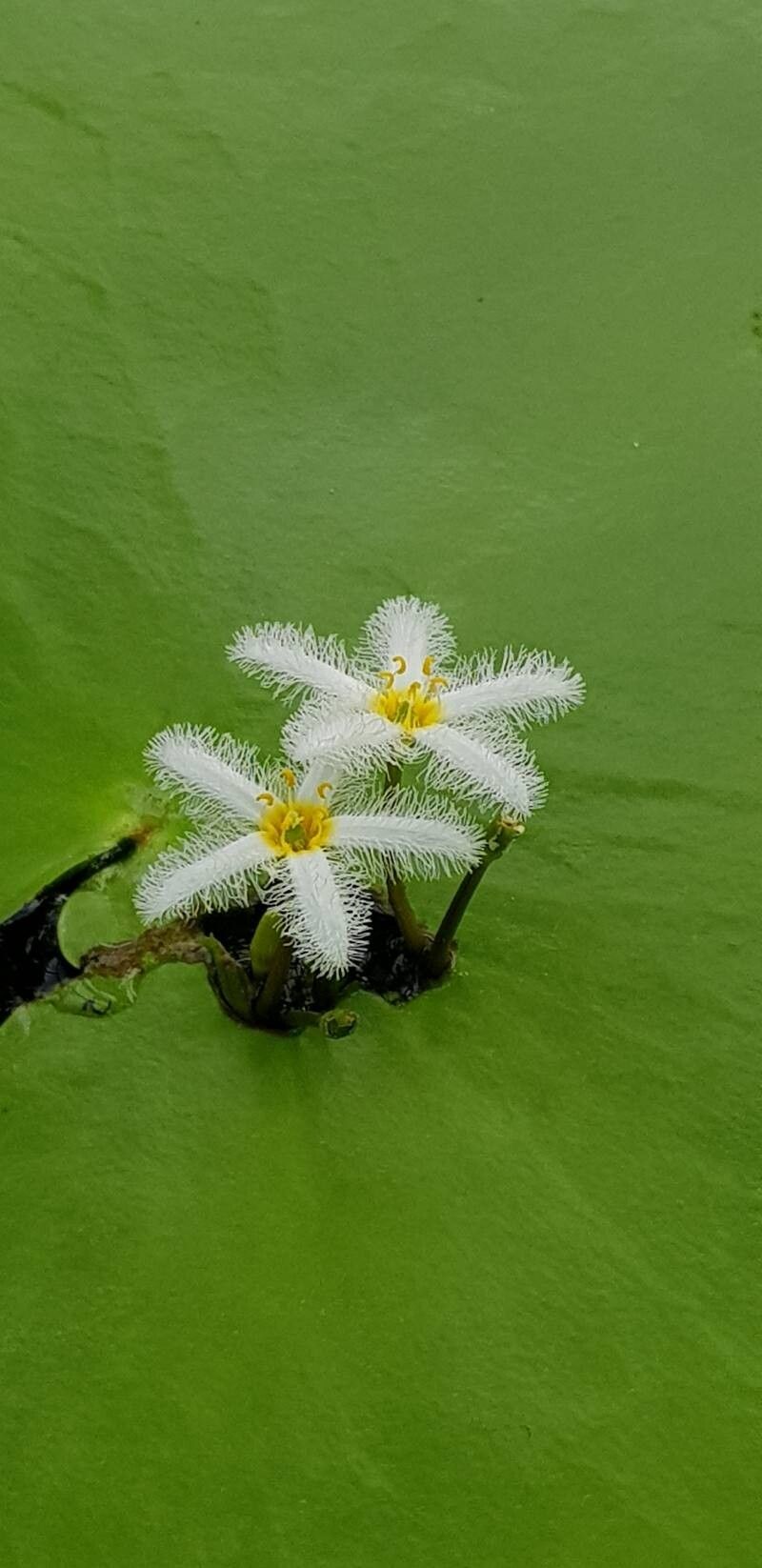
Today, we’re diving into the wonderful world of Nymphoides indica, also known as creater water-lily or Indian white water-lily. If you’re looking to bring a touch of serene beauty to your water garden, this plant is an absolute gem. Its lovely, pure white flowers, often with a splash of yellow at their centers, float gracefully on the water’s surface, adding a tranquil charm that’s truly captivating. Plus, propagating it yourself? It’s a deeply satisfying experience, watching a tiny piece of your beloved plant transform into a thriving new one.
Now, I know some water plants can seem a bit intimidating, but I’m happy to report that Nymphoides indica is remarkably forgiving and a fantastic choice for beginners looking to dip their toes into aquatic plant propagation. You’ll be hooked in no time!
The Best Time to Start
For the highest success rate, I always recommend starting your propagation efforts in the late spring or early summer. This is when the plant is in its most vigorous growth phase. The days are longer, warmer, and the plant has plenty of energy to dedicate to developing new roots. You’ll see your cuttings take off much more readily now than if you tried in the cooler months.
Supplies You’ll Need
Gathering your supplies beforehand makes the whole process smoother and more enjoyable. Here’s what you’ll want to have on hand:
- Sharp Pruning Shears or Scissors: Clean cuts are crucial for healthy propagation.
- Small Pots or Containers: For potting up rooted cuttings. These can be plastic or terracotta.
- Aquatic Potting Mix or a Sandy Loam: A well-draining mix is key. You can create your own by mixing equal parts composted bark fines, sand, and a small amount of potting soil. Avoid heavy garden soil.
- A Shallow Tray or Container: For holding water during the water propagation method.
- Rooting Hormone (Optional but Recommended): A liquid or powder rooting hormone can give your cuttings an extra boost.
- Gloves: If you prefer to keep your hands clean.
Propagation Methods
Nymphoides indica is quite adaptable, and you have a few excellent ways to multiply your plant. I find stem cuttings and division to be the most reliable methods.
Stem Cuttings
This is my go-to method for Nymphoides indica. It’s quick, easy, and often yields great results.
- Select a healthy stem: Look for a mature, healthy stem that has at least two to three sets of leaves. Avoid anything that looks leggy or unhealthy.
- Make the cut: Using your sharp pruning shears or scissors, make a clean cut just below a leaf node (where a leaf attaches to the stem). You want your cutting to be about 4-6 inches long.
- Prepare the cutting: Gently remove the lower leaves from the stem, leaving only one or two at the very top. This helps the cutting focus its energy on root development.
- Apply rooting hormone (optional): If you’re using rooting hormone, dip the cut end of the stem into the powder or liquid according to the product’s instructions.
- Place in water: Submerge the cut end of the stem in a shallow tray or container of clean water. Make sure none of the leaves are submerged – they’ll rot if they sit in the water. You can anchor the stem by holding it down with a small stone if needed.
- Provide light: Place the container in a bright spot, but out of direct, harsh sunlight. Filtered light is perfect.
- Wait patiently: Roots should start to appear from the leaf nodes within 1-3 weeks.
Division
As your Nymphoides indica matures and spreads, you’ll notice it forming new growth points. This is the perfect opportunity for division.
- Gently remove from water: Carefully lift the entire plant out of its pond or container.
- Inspect the root system: Look for where the plant has naturally branched into separate sections, each with its own healthy roots and shoots.
- Make the separation: With clean hands or secateurs, gently pull or cut apart the divisions. You want each new plant to have a good portion of roots and at least one healthy shoot.
- Pot up: Pot each division into its own container filled with your aquatic potting mix.
- Submerge: Place the potted divisions back into the water feature.
The “Secret Sauce” (Pro Tips)
Here are a couple of tricks I’ve learned over the years that really make a difference:
- Keep those leaves UP! This is a big one. For stem cuttings in water, ensure absolutely no leaves are touching the water. Those submerged leaves will quickly decay, introducing bacteria that can rot your cutting before it even has a chance to root. If you have a long stem with many leaves, trim off all but the top two or three.
- A little warmth goes a long way: While Nymphoides indica loves warmth, sometimes providing gentle bottom heat can be a game-changer for cuttings that are being a bit slow. You can achieve this by placing your water tray on a seedling heat mat set to a low temperature, or even just in a warm, sunny spot indoors. It encourages root formation from below.
Aftercare & Troubleshooting
Once you see a healthy system of roots developing on your cuttings (typically an inch or two long), it’s time to move them into their own little permanent homes.
- Transplanting: Gently plant your rooted cuttings into individual pots filled with your aquatic potting mix. You can then place these pots in your pond or a suitable water garden container, ensuring the soil level is submerged by a few inches of water.
- Water Quality: The most important thing now is maintaining clean, fresh water. Avoid letting the water become stagnant. If you see the water getting murky, a partial water change is in order.
- Light: Continue to provide bright, indirect light.
Troubleshooting: The most common issue you’ll encounter is rot. If your cutting turns black and mushy, it’s a sign of rot. This usually happens because of poor water quality, submerged leaves, or insufficient light. Don’t be discouraged! Simply discard the rotted cutting and try again, paying close attention to those tips. Sometimes, if the rot is minor, you can try cutting away the affected part and immersing the healthy portion again in fresh water.
A Warm Farewell
Propagating Nymphoides indica is such a rewarding journey. It’s a wonderful way to connect with nature, expand your water garden, and share the beauty of these delicate lilies with friends. Be patient with your new plants, trust the process, and most importantly, enjoy the magic of watching them grow. Happy gardening!
Resource:
https://identify.plantnet.org/k-world-flora/species/Nymphoides%20indica%20(L.)%20Kuntze/data