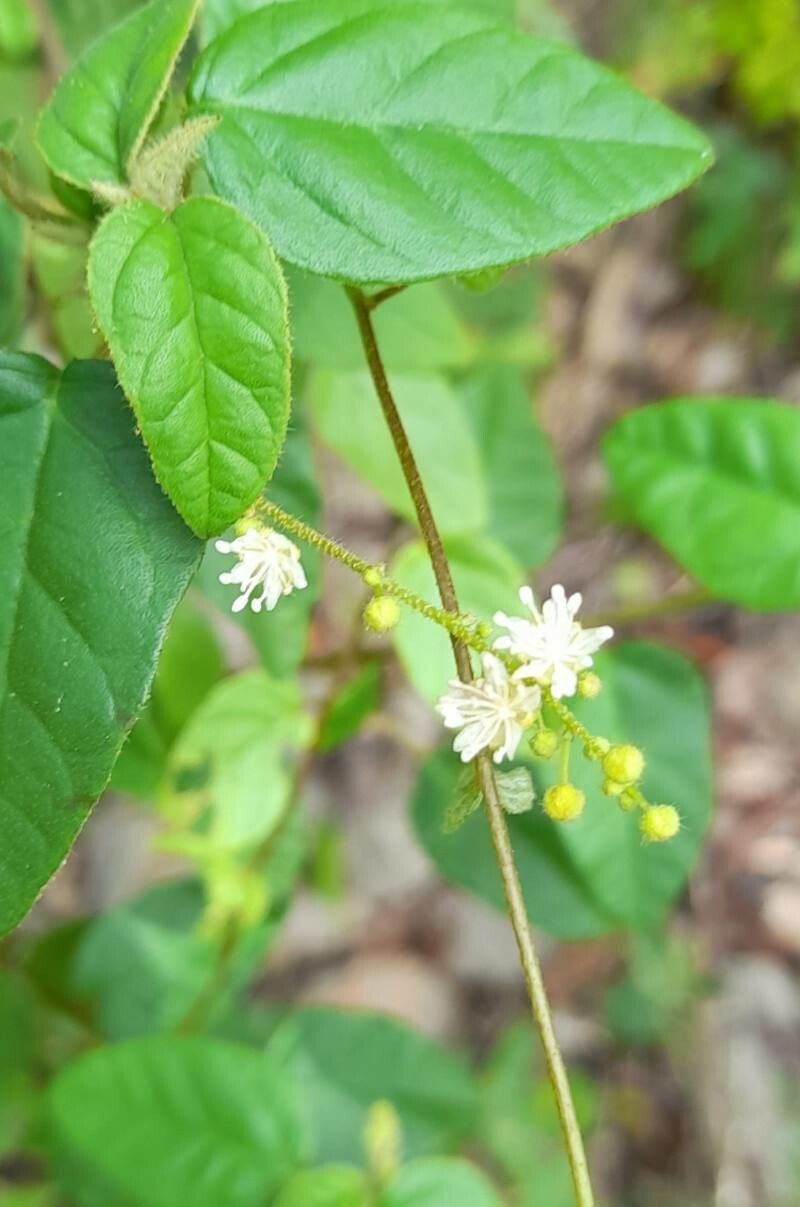
Hello, fellow plant enthusiasts! If you’re anything like me, you adore the vibrant, almost painterly display of a well-grown Croton humilis. Their leaves are a kaleidoscope of colors, adding such a cheerful splash to any indoor space. And the best part? You can easily multiply that joy!
Propagating Croton humilis is a wonderfully rewarding endeavor. It connects you more deeply with your plants and, quite frankly, it’s incredibly satisfying to watch a tiny cutting transform into a flourishing new specimen (or several!). For those of you just starting out, Croton humilis can be a little bit of a learning curve, but with a bit of care and attention, you’ll be a pro in no time.
The Best Time to Start
Spring is your best friend when it comes to propagating Crotons. As the days lengthen and the plant shakes off its winter slumber, it’s bursting with energy. You’ll find cuttings taken during this active growth period root much more readily. Aim for late spring or early summer, when the plant is really putting on a show.
Supplies You’ll Need
- Sharp Pruning Shears or a Knife: Cleanliness is key here to prevent disease. I like to give mine a quick wipe with rubbing alcohol.
- Potting Mix: A well-draining mix is crucial. I recommend a blend of equal parts peat moss or coco coir and perlite. For cuttings, you can even use a slightly coarser mix to ensure good aeration.
- Small Pots or Propagation Trays: Choose pots with drainage holes.
- Rooting Hormone (Optional but Recommended): This isn’t strictly necessary for Crotons, but it can significantly speed up the rooting process and increase your success rate.
- Clear Plastic Bag or Propagation Dome: This helps maintain humidity around your cuttings.
- Watering Can with a Fine Rose: For gentle watering.
- Labels (Optional): To remind yourself what you’ve propagated and when!
Propagation Methods
I find stem cuttings to be the most reliable method for Croton humilis. Let’s get our hands dirty!
-
Take Your Cuttings: Look for a healthy, actively growing stem. Using your clean shears, make a cut just below a leaf node (that knobby bit where a leaf meets the stem). You want cuttings that are at least 4-6 inches long, and ideally have at least 2-3 leaf nodes. Remove the lower leaves, leaving just a couple at the top. This prevents them from rotting when buried or submerged.
-
Apply Rooting Hormone (If Using): Dip the cut end of the stem into your rooting hormone. Tap off any excess.
-
Plant Your Cuttings:
- In Potting Mix: Prepare your small pots with your well-draining mix. Make a small hole with your finger or a pencil, and gently insert the cut end of the stem. Firm the soil gently around the cutting. Water thoroughly until you see water draining from the bottom.
- In Water: Alternatively, you can place the cut end of the stem in a glass of water. Make sure no leaves are submerged in the water. Change the water every few days to keep it fresh.
-
Create a Humid Environment: Place the potted cuttings or the glass of water in a warm spot with bright, indirect light. Cover the pots with a clear plastic bag (poke a few holes for ventilation) or place them under a propagation dome. If you’re using water propagation, you can simply cover the glass with a bag.
The “Secret Sauce” (Pro Tips)
Here are a couple of little tricks that have always helped me:
- The submerged leaves issue is real! If you’re propagating in water, any leaf that touches the water will rot and potentially contaminate the whole batch. Keep them dry.
- Bottom heat is your friend. If you have a propagation mat, placing your pots on it will give your cuttings a gentle warmth that encourages roots to form faster. It’s like a cozy heated bed for your baby plants!
Aftercare & Troubleshooting
Once you start to see new leaf growth or feel a gentle tug when you carefully wiggle the cutting, you’ve got roots!
- For Cuttings in Potting Mix: Gradually reduce the humidity by opening the plastic bag or dome more each day over a week. Continue to water when the top inch of soil feels dry.
- For Cuttings in Water: Once you see good root development (at least an inch long), you can pot them up into your well-draining potting mix. Water them in well and proceed as you would with newly potted plants.
Now, what if things go wrong? The most common culprit is rot. Limp, mushy stems, especially at the soil line, are a sure sign of overwatering or poor drainage. If you see this, sadly, that cutting is likely lost. In the future, ensure your mix is very well-draining and don’t let the soil stay soggy.
A Little Patience Goes a Long Way
Propagating can take time. Don’t be discouraged if you don’t see roots overnight. Keep your cuttings in a warm, bright spot with consistent moisture (but not waterlogged!). Enjoy the process of watching these little snippets of life grow. Happy propagating!
Resource:
https://identify.plantnet.org/k-world-flora/species/Croton%20humilis%20L./data