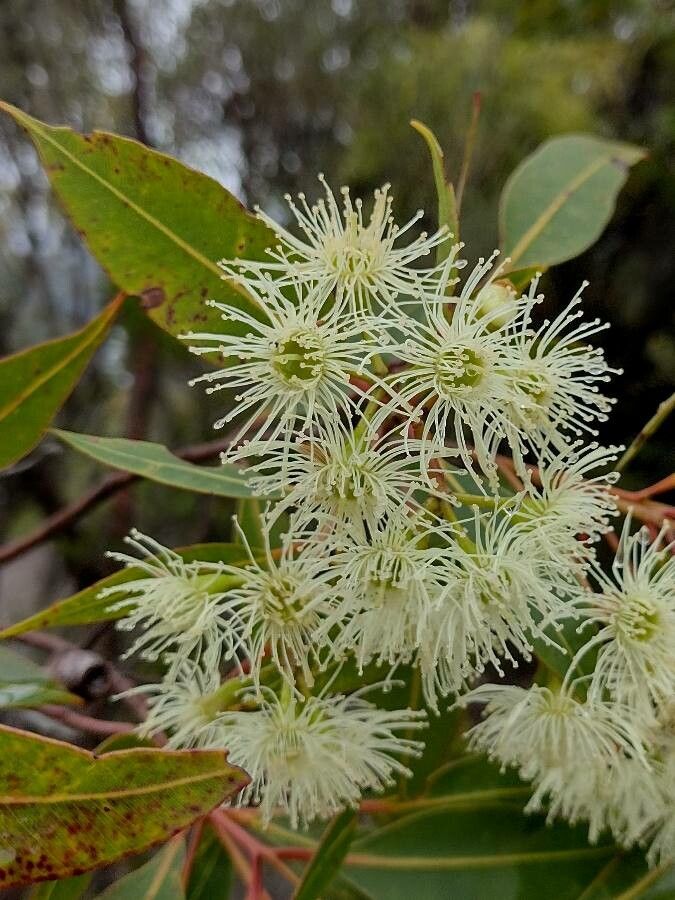
Hey there, fellow plant enthusiasts! Today, we’re diving into the wonderful world of propagating Corymbia gummifera, or as it’s more commonly known, Red Bloodwood. This iconic Australian native is a stunner with its beautiful red sap and handsome bark. Growing one from seed or a cutting is incredibly rewarding – it’s like creating your own little piece of Australian wilderness. If you’re new to this, don’t be intimidated! While it can be a touch more involved than a simple basil cutting, with a little care and patience, you can absolutely succeed.
The Best Time to Start
Spring is truly your best bet for propagating Corymbia gummifera. As the weather warms up and the plant bursts back into active growth, your cuttings or seeds will have the energy they need to establish themselves. Aim for when you see new, tender growth appearing on your parent plant. This is when the plant is most vigorous and ready to share its magic.
Supplies You’ll Need
- Sharp Pruning Shears or a Knife: Clean cuts are crucial.
- Rooting Hormone: This is a big help, especially for cuttings. Look for one that contains an auxin, like IBA.
- Well-Draining Potting Mix: A good blend of perlite, vermiculite, and sphagnum moss works wonders. You want something that won’t hold onto too much moisture.
- Small Pots or Trays: Clean, small containers are perfect for starting out.
- Clear Plastic Bags or a propagator: To create a humid environment.
- Water: For misting and to keep things hydrated.
- Small Pebbles or Grit: For drainage at the bottom of pots.
- Labels: So you don’t forget what you planted where!
Propagation Methods
Let’s get our hands dirty!
Stem Cuttings
This is my go-to method for Corymbia gummifera.
- Take Your Cuttings: In spring, select healthy, semi-hardwood stems. Look for pieces about 10-15 cm long that have just finished their bright green stage and are starting to firm up. Remove any lower leaves.
- Prepare the Cutting: Dip the cut end into your rooting hormone. Make sure it’s well-coated.
- Planting: Fill your small pots with your prepared, slightly damp potting mix. Make a drainage hole with a pencil. Gently insert the cutting into the hole, ensuring the rooting hormone stays on. Firm the soil around the base.
- Create Humidity: Water the soil lightly. Then, cover the pot with a clear plastic bag or place it in a propagator. This traps moisture, which is vital for cuttings to root.
Water Propagation (Less Common, but Possible!)
While not my first choice for Bloodwoods, you might have some success with younger, softer stems.
- Take a Cutting: Similar to stem cuttings, aim for a healthy piece, about 10-15 cm. Remove the lower leaves.
- Place in Water: Put your cutting in a clean jar or vase filled with fresh water. Make sure no leaves are submerged below the waterline, as this leads to rot.
- Location: Keep it in a bright spot, out of direct sunlight. Change the water every few days to keep it fresh.
- Patience: You’ll see roots emerge, but it can take weeks. Once the roots are a few centimetres long, you can carefully transplant them into your potting mix.
The “Secret Sauce” (Pro Tips)
Here are a few tricks I’ve learned over the years:
- Bottom Heat is Your Friend: I swear by placing my cuttings on a heated propagator mat. This gentle warmth from below encourages root development much faster and more reliably. It’s a game-changer!
- Don’t Overwater! It’s really tempting to drown your new cuttings in love, but true rot is the enemy. The humidity from the plastic bag should be enough. If you see condensation dripping down the sides, you’ve got plenty. If the soil looks soggy, give it a few days to breathe.
- The ‘Wiggle Test’: Once you think your cuttings have rooted (usually after several weeks), give them a gentle wiggle. If there’s a bit of resistance, they’re probably on their way! Don’t yank them out to check, though – you might damage those precious new roots.
Aftercare & Troubleshooting
Once you see new growth popping out of the top, it’s a good sign roots have formed. You can start to gradually acclimate your new plant to normal conditions. Unzip the plastic bag a little each day for a week or so. Then, remove it entirely. Water when the top inch of soil feels dry.
The most common issue you’ll face is rot, which usually stems from overwatering or poor drainage. If your cutting looks black and mushy, it’s likely gone too far. Don’t despair! Just start again with fresh material and remember our tips. Sometimes, cuttings just don’t take, and that’s okay too. Gardening is all about learning and trying again.
A Encouraging Closing
Propagating Corymbia gummifera is a journey, and like all journeys with plants, it requires a bit of love, a dash of patience, and a good dose of optimism. Enjoy the process, celebrate the successes, and learn from the challenges. Soon, you’ll have your very own beautiful Bloodwood to admire and share! Happy growing!
Resource: