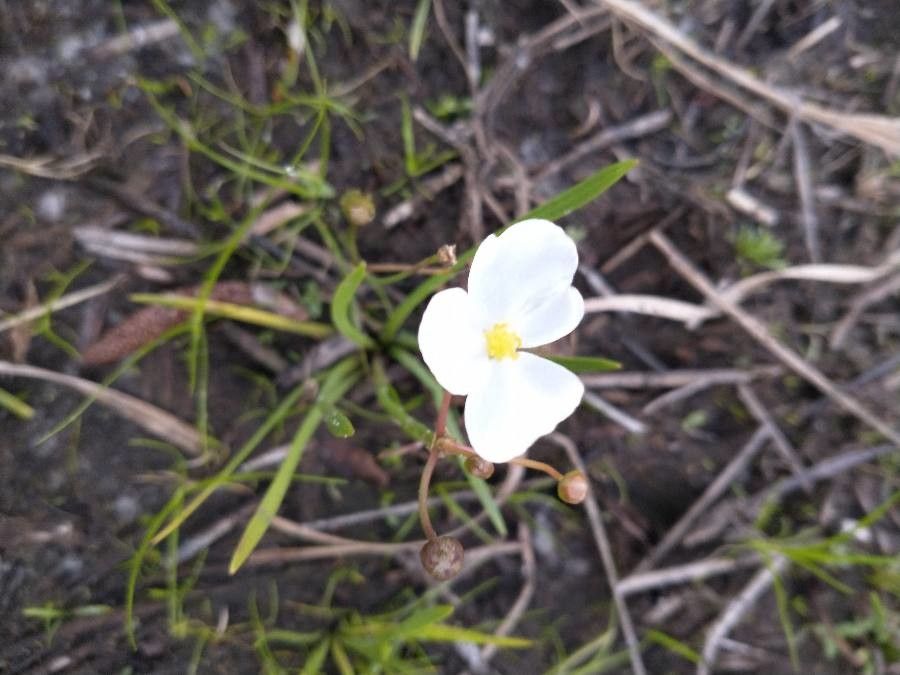
Hello, fellow plant lovers! Today, we’re diving into the wonderful world of Sagittaria isoetiformis, also known as the Dwarf Arrowhead. If you’re looking for a charming aquatic or semi-aquatic plant that will add a touch of elegance to your pond, water garden, or even a large aquarium, this is your gal! Her delicate, grass-like foliage and charming flower spikes are a treat for the eyes. And the best part? You can easily multiply your collection! Propagating plants always feels like a little garden miracle, and Sagittaria isoetiformis is wonderfully generous with her offspring. For beginners, I’d say this one is a pleasure to propagate, offering a satisfying success rate with a little attention.
The Best Time to Start
The absolute sweet spot for propagating Sagittaria isoetiformis is late spring through early summer. This is when the plant is actively growing and has plenty of energy to put into new shoots and roots. You’ll often see new plantlets forming at this time, making it the perfect moment to give them their own space to thrive.
Supplies You’ll Need
Gathering your tools beforehand makes the whole process smoother. Here’s what I usually have on hand:
- Sharp pruning shears or scissors: Clean cuts are key!
- Small pots or containers: These can be nursery pots, small plastic containers, or even old yogurt cups with drainage holes.
- Well-draining potting mix: For emersed plants, a mix of peat moss, perlite, and a bit of sand works beautifully. For aquatic propagation, just clean water is fine!
- Rooting hormone (optional but helpful): A little boost never hurts.
- Tweezers or a small dibber: For gently handling tiny plantlets.
- A spray bottle: For misting.
- A larger container or shallow tray: If you’re doing division.
Propagation Methods
Sagittaria isoetiformis is a trooper and offers a few straightforward methods for propagation.
1. Division: The Easiest Way
This is often the most rewarding method, as you’re essentially separating established plants.
- Gently remove the parent plant from its container or pond edge. If it’s in the ground, carefully dig around it.
- Rinse away excess soil from the roots so you can clearly see the plant’s structure.
- Look for natural offsets or daughter plants. These are typically smaller plants growing directly from the base of the mother plant, often connected by a rhizome or stolon.
- Using clean pruning shears, carefully cut the connection between the parent plant and the offset. Ensure each offset has at least one or two healthy leaves and some root development.
- You can pot these divisions directly into your well-draining mix or place them in shallow water to get established.
2. Stolon Cuttings (Plantlets)
Sometimes, Sagittaria isoetiformis sends out long, slender stems called stolons, which have tiny baby plants at the end. These are like little gifts!
- Look for these stolons emerging from the main plant.
- When you see a miniature plantlet forming at the tip, it’s usually ready to propagate. These often have tiny leaves and potentially some initial root nubs.
- Carefully snip the stolon a little way back from the plantlet, leaving a short piece attached to the baby.
- You can either:
- Place the plantlet directly in water. Make sure only the base is submerged. Change the water every few days.
- Plant it shallowly in moist potting mix.
The “Secret Sauce” (Pro Tips)
Here are a few things I’ve learned over the years that can really make a difference:
- Don’t overcrowd your propagation pots. Give each little plant enough space to grow. If you’re doing water propagation, give them room to breathe. Too many crammed together can lead to rot.
- For division, think about the roots. When you separate a division, try to get a good chunk of the original root system with it. This gives the new plant a strong head start. Even if it looks a bit bare, if it has a healthy crown, it will likely bounce back.
- If you’re potting divisions that have been in water, let the roots air dry for just a few minutes before planting. This helps to form a bit of a callus and can reduce the risk of rot in the soil. It’s a small step, but surprisingly effective!
Aftercare & Troubleshooting
Once your Sagittaria isoetiformis babies have rooted (you’ll see new growth or feel resistance when you gently tug), it’s time to treat them like little VIPs.
- For water-propagated plantlets: Once they have a decent root system (at least an inch long), you can gradually introduce them to a shallow layer of moist potting mix. Keep the soil consistently damp, but not soggy, for the first week or two.
- For divisions potted directly into soil: Keep the potting mix consistently moist but not waterlogged. A light misting with your spray bottle can be helpful in the initial days.
- Sunlight: Place them in bright, indirect light. Avoid direct sun, which can scorch their delicate new leaves. As they grow stronger, you can slowly acclimate them to more sun if desired, depending on your growing conditions.
What if things go wrong? The most common issue is rot. If you notice your plantlet turning mushy or blackening, it’s usually a sign of too much moisture and not enough air circulation. Discard any rotted parts immediately and try to provide a bit more airflow or slightly less water. Yellowing leaves can sometimes mean they are adjusting to new conditions, but if it persists and there’s no new growth, it could indicate a lack of light or nutrients.
A Little Patience Goes a Long Way
There you have it! Propagating Sagittaria isoetiformis is a truly rewarding experience. Remember to be patient. Nature has its own rhythm, and sometimes it takes a little while for new roots to form and new growth to appear. Don’t get discouraged if your first attempt isn’t perfect. Each plant, and each propagation session, is a learning opportunity. So grab your tools, enjoy the process, and soon you’ll have a whole miniature aquatic jungle to admire! Happy gardening!
Resource:
https://identify.plantnet.org/k-world-flora/species/Sagittaria%20isoetiformis%20J.G.Sm./data