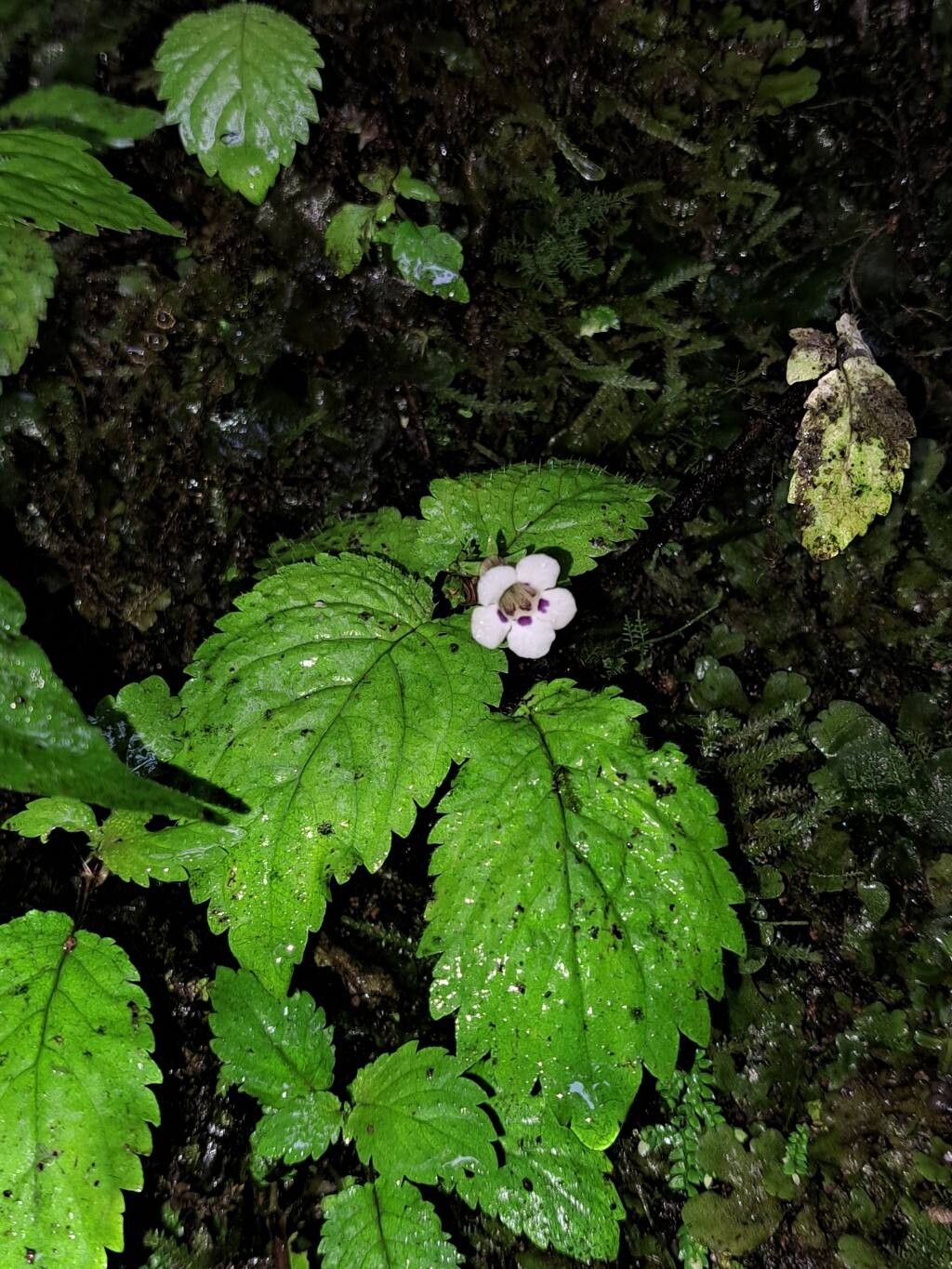
Oh, hello there! Come on in, let’s chat about plants. Today, I want to introduce you to a real gem: Diastema racemiferum. If you’re looking for something a bit different, a plant that brings a touch of the exotic with its beautiful, often vibrantly colored flowers, then this is one you’ll want to get to know. And the best part? You can easily multiply your own collection! Propagating Diastema racemiferum is a truly rewarding experience, watching those tiny new plants emerge. For beginners, I’d say it’s moderately easy. With a little patience and the right approach, you’ll be well on your way.
The Best Time to Start
My own experiences have shown me that the spring is just magical for getting things going. When your Diastema plant is in its active growth phase, typically from late spring to early summer, that’s when its energy is really pumping. You’ll find it readily produces new shoots and is much more receptive to rooting. Waiting until after the main bloom might also work, but spring really gives you the best advantage.
Supplies You’ll Need
You won’t need a whole workshop, just a few handy items:
- Sharp pruning shears or a clean knife: For taking nice, clean cuttings.
- A good potting mix: I like a blend that’s well-draining. Think about mixing regular potting soil with perlite or coco coir. About a 50/50 split works wonderfully.
- Small pots or seed trays: Whatever you have that’s clean and has drainage holes.
- Rooting hormone (optional but helpful): A little boost can speed things up.
- Watering can with a fine rose or a spray bottle: For gentle watering.
- Plastic bags or a clear plastic dome: To create a humid environment.
- Labels and a marker: So you remember what’s what!
Propagation Methods
Let’s get our hands a little dirty! Here are the methods that have worked like a charm for me.
Stem Cuttings: This is my go-to.
- Take your cuttings: Look for healthy, vigorous stems on your Diastema. With your sharp shears, snip off a section that’s about 4-6 inches long. I try to take cuttings just below a leaf node – that’s the little bump where the leaf meets the stem, as this is where roots like to form. Remove the lower leaves, leaving just the top two or three.
- Prepare the cutting: If you’re using rooting hormone, dip the cut end into it. Don’t go crazy, just a light coating.
- Plant your cuttings: Fill your small pots or trays with your well-draining potting mix. Make a little hole with your finger or a pencil and gently insert the cutting. Firm the soil gently around it, making sure the leaf nodes are covered.
- Water and cover: Water the soil lightly. Then, cover the pot with a plastic bag or a clear dome to maintain humidity. This is crucial for cuttings.
Division: This is great if your plant is already looking a bit full.
- Gently remove the plant: Carefully take your Diastema out of its pot.
- Separate the offsets: You’ll likely see new plantlets or offsets growing from the base. Gently tease these apart with your fingers or use a clean knife if they’re really stuck. Try to get a few roots with each division.
- Pot them up: Pot each division into its own small pot with fresh, well-draining soil.
- Water and settle: Water them in gently.
The “Secret Sauce” (Pro Tips)
Here are a couple of things I’ve learned that really make a difference:
- Freshly Made Soil is Best: For cuttings, I always use a mix that’s been recently prepared, not something that’s been sitting around. It feels fresher and less prone to damping off. Also, make sure the soil is moist but not soggy before you plant your cuttings.
- Don’t Let Leaves Touch the Water (If Water Propagating): Though stem cuttings in soil are my preference, if you do try water propagation, always ensure the leaves are well above the water level. Leaves submerged will just rot, and that’s a recipe for disaster. You want the energy to go into root development, not leaf decay!
Aftercare & Troubleshooting
Once your cuttings are in their humid little environments, keep them in bright, indirect light. Avoid direct sunbeams, which can scorch those delicate leaves. Resist the urge to constantly peek or fiddle! Let them be.
You’ll know your cuttings have rooted when you see new leaf growth emerging. This can take anywhere from a few weeks to a couple of months. Once they’re actively growing, you can start to gradually acclimate them to normal humidity by opening the bag or dome a little each day over a week.
The main thing to watch out for is rot. If your cuttings turn mushy or black, it’s usually a sign of too much moisture and poor air circulation. If you see this, you might need to start again with drier soil and better ventilation. Sometimes, sadly, they just don’t take, and that’s part of the gardening journey.
A Encouraging Closing
Don’t get discouraged if your first few attempts aren’t perfect. Gardening is a learning process, and every gardener, myself included, has had plants that didn’t quite make it. Be patient, observe your little cuttings, and enjoy the satisfaction of creating new life from your beloved Diastema. Happy propagating!
Resource:
https://identify.plantnet.org/k-world-flora/species/Diastema%20racemiferum%20Benth./data