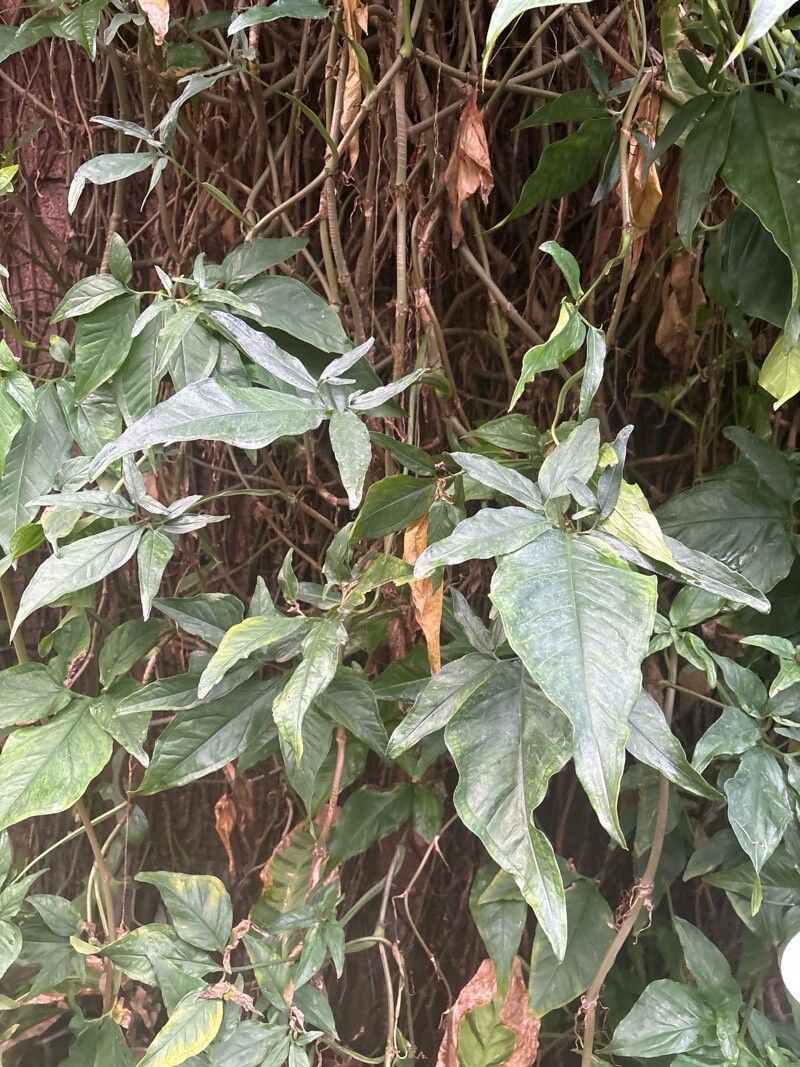
Hello, fellow plant lovers! It’s so nice to have you here. Today, we’re diving into the wonderful world of propagating Xanthosoma wendlandii. If you’ve ever admired those lush, architectural leaves and felt a pang of desire to have more of these beauties gracing your space, you’re in the right place.
Why You’ll Love Growing More Xanthosoma wendlandii
These plants, sometimes called Arrowhead Plants (though that name is shared with other genera!), bring such a wonderful tropical vibe. Their bold, arrowhead-shaped leaves with their striking patterns are simply a joy to behold. And the best part? Growing your own from cuttings or divisions is incredibly rewarding. It’s a fantastic way to expand your collection or share the green love with friends. For beginners, I’d say propagating Xanthosoma wendlandii is moderately easy, especially if you choose the right method and give it a little TLC.
When to Get Your Hands Dirty
The absolute sweet spot for starting new Xanthosoma wendlandii is during their active growing season. Think late spring through summer. You’ll have the best luck when the plant is actively producing new leaves and has plenty of energy to dedicate to root development. Trying to propagate when the plant is dormant, usually in winter, will likely lead to disappointment.
Your Propagation Toolkit
Here’s a quick rundown of what you’ll need to get started:
- Sharp Pruning Shears or a Clean Knife: For making clean cuts.
- Potting Mix: A well-draining mix is crucial. I like to use a blend of peat moss or coco coir, perlite, and a bit of quality potting soil. Aim for something that dries out between waterings but still retains some moisture.
- Small Pots or Containers: Clean pots are essential to prevent disease.
- Rooting Hormone (Optional but Recommended): This isn’t strictly necessary for Xanthosoma wendlandii, but it can speed up root formation and increase your success rate.
- Watering Can or Mister: For gentle watering.
- Plastic Bag or Dome (Optional): To create a mini-greenhouse effect.
Bringing New Plants to Life: Methods That Work
Xanthosoma wendlandii is quite amenable to a couple of propagation techniques. For this particular plant, division is often the simplest and most successful method.
Method 1: Rhizome Division (My Go-To!)
This is like giving your plant a little haircut that results in new babies!
- Gently Remove the Parent Plant: Carefully take your Xanthosoma out of its pot. You might need to loosen the soil around the edges with your trowel.
- Inspect the Rhizomes: Once it’s out, you’ll see the thick, fleshy rhizomes (underground stems) that the plant grows from. Look for sections where there are at least one or two healthy leaves attached to a piece of rhizome. You might even see tiny little nubs that will become roots.
- Make the Cut: Using your clean, sharp shears or knife, carefully separate a section of the rhizome with leaves from the main clump. Make a clean cut. If the rhizome piece is quite large, you don’t need to do anything else. If it’s a smaller division, you might want to let the cut end callous over for a few hours or even overnight, especially if it’s a humid environment. This helps prevent rot.
- Plant the Division: Fill a small pot with your well-draining potting mix. Make a little hole in the center and plant the rhizome division so that the base of the leaves is just at or slightly above the soil line. The rhizome piece itself should be nestled into the soil.
- Water Gently: Water lightly until you see a little drainage from the bottom.
- Provide Humidity (Optional): Pop a clear plastic bag over the pot, or place it under a cloche. This helps retain moisture. Make sure the leaves aren’t touching the plastic. You can also just mist the soil and surrounding air regularly.
Method 2: Stem Cuttings (A Bit More Patience)
This method is also effective, but it might take a little longer to see significant root development.
- Identify a Healthy Stem: Look for a mature, healthy stem on your Xanthosoma. It’s best to choose a stem that has at least one leaf and a node (the bumpy part where leaves attach).
- Make the Cut: Using your clean shears, cut the stem about an inch or two below a leaf. Make sure you have at least one node on your cutting.
- Prepare the Cutting: If your cutting has multiple leaves, you might want to remove the lower leaves to prevent them from rotting in the soil or water.
- Apply Rooting Hormone: Dip the cut end of the stem into rooting hormone powder or liquid, tapping off any excess.
- Planting: You have two options here:
- In Soil: Fill a small pot with your well-draining mix. Make a hole and insert the cut end of the stem deeply enough so it’s supported. Water gently.
- In Water: Place the cutting in a clean jar or glass of distilled or filtered water. Ensure that no leaves are submerged, as this will cause them to rot. Change the water every few days.
- Provide Humidity: Just like with divisions, a plastic bag or dome can help maintain humidity for cuttings.
The “Secret Sauce” from My Garden
Here are a couple of little tricks I’ve picked up over the years that really make a difference:
- Don’t Drown Your New Sprouts: This is SO important. While Xanthosoma likes some moisture, overwatering is the quickest way to invite rot, especially with cuttings and newly divided rhizomes. Let the top inch or so of soil dry out before watering again. If you’re propagating in water, keeping the leaves above the water level is paramount.
- A Little Warmth Goes a Long Way: If you have a propagation mat or can place your pots on top of a warm appliance (not hot!), the gentle bottom heat can significantly speed up root development. It mimics the natural warmth of the soil in its native habitat.
Settling In and What to Watch For
Once your Xanthosoma wendlandii divisions or cuttings show signs of rooting – which might mean you see new leaf growth or feel a gentle tug when you lightly pull on them – it’s time to treat them like they’re growing up!
Continue to water when the top inch of soil is dry. If you had them in a plastic bag, gradually introduce them to open air over a few days to acclimate them. Once they look happy and are putting out new leaves, you can repot them into a slightly larger container with fresh potting mix.
Now, what if things don’t go as planned? The most common issue is rot. You’ll see this as mushy, brown stems or rhizomes, or leaves that quickly turn yellow and limp. This is almost always due to too much moisture and poor air circulation. If you spot rot, act fast! You might be able to salvage a healthy piece of rhizome or stem if you cut away the rotted parts and let the healthy section callous over before trying again, perhaps with less water this time. Failure can also just mean a cutting or division didn’t take. Don’t get discouraged – it happens to us all!
Happy Growing, My Friends!
Propagating Xanthosoma wendlandii is a lovely way to connect with your plants and expand your indoor jungle. Be patient, give them the right conditions, and enjoy the process. Seeing those first tiny roots emerge or a new leaf unfurl on your propagated plant is one of gardening’s greatest small triumphs. Happy growing!
Resource: