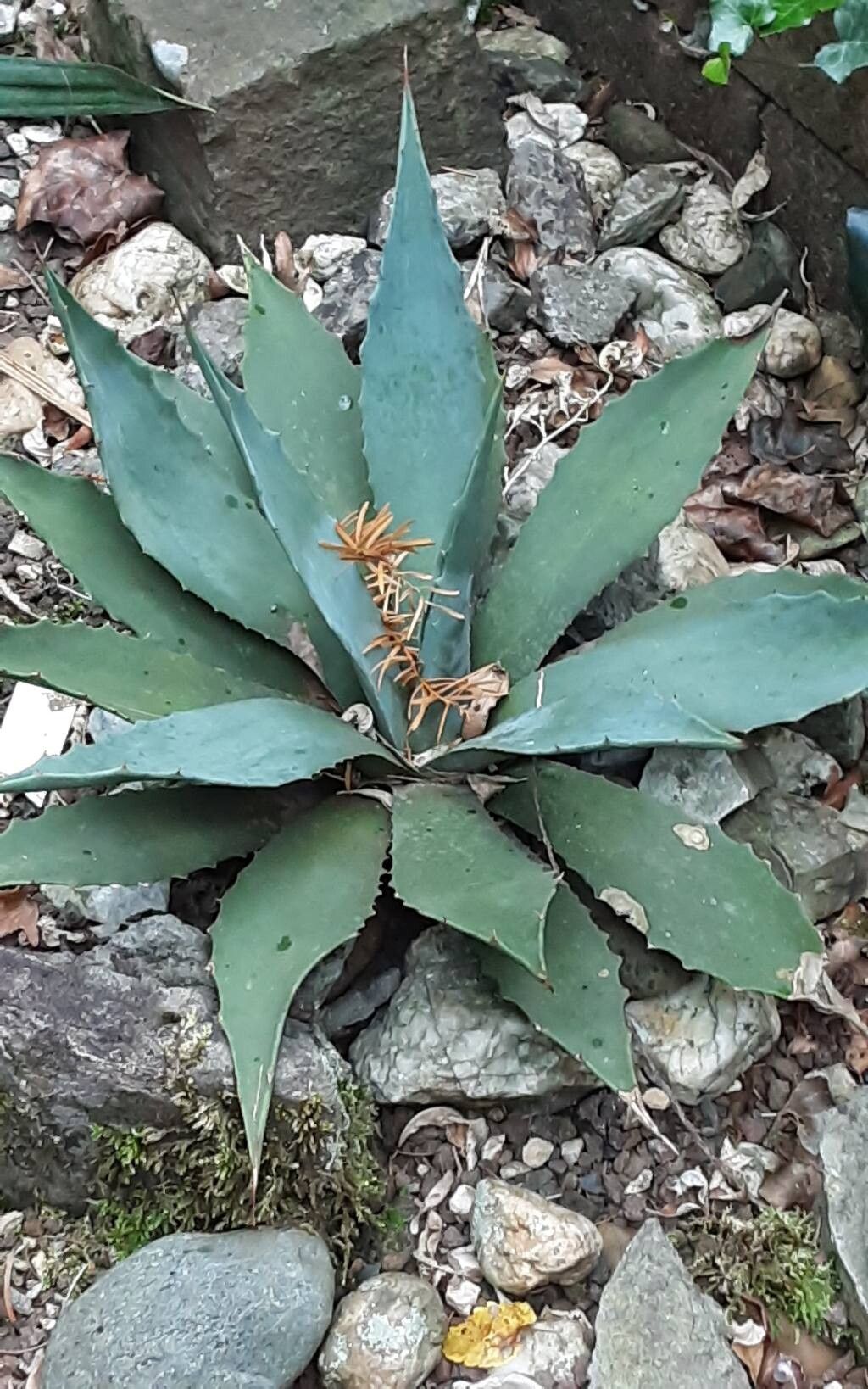
Oh, hello there! It’s so lovely to have you over for a virtual coffee. Today, we’re diving into the wonderful world of Agave inaequidens, a plant that truly brings a touch of the dramatic to any garden. Its sharp, architectural form and the way it gracefully ages make it a favorite for so many of us. And the best part? Propagating it is surprisingly rewarding, even if it might seem a little intimidating at first glance. For beginners, I’d say it’s a gentle nudge into the exciting realm of succulent propagation – not too difficult, but requiring a bit of patience.
The Best Time to Start
When it comes to giving our little agave babies the best chance, spring and early summer are your golden ticket. This is when the plant is actively growing, full of energy, and ready to put down new roots. You’ll have the most success starting from pups or offsets, which are already well-formed little plants emerging from the base.
Supplies You’ll Need
Before we get our hands dirty, let’s gather our tools. A well-prepared workspace makes all the difference, doesn’t it?
- Sharp, clean pruning shears or a knife: For making those crucial cuts.
- Rooting hormone (optional but helpful): A little boost can encourage faster root development.
- Well-draining soil mix: Think cactus and succulent potting mix, or a blend of equal parts potting soil, coarse sand, and perlite.
- Terra cotta pots: These breathe better and help prevent soggy soil, a big plus for agaves.
- Gloves: Those agave spines are no joke!
- A small trowel or dibber: For creating planting holes.
Propagation Methods
While Agave inaequidens doesn’t typically produce “stem cuttings” in the way a leafy houseplant does, its primary method of propagation is through its adorable pups, also known as offsets.
- Separating Offsets (Pups): This is your go-to method for Agave inaequidens.
- First, give your mature agave a good watering a day or two before you plan to propagate. This makes the pups a bit easier to separate.
- Carefully remove the mother plant from its pot, or gently clear away the soil around the base if it’s in the ground. You want to get a good look at where the pups are attached.
- Using your sharp, clean pruning shears or knife, gently cut the pup away from the mother plant. Try to get a bit of its own root system if possible. If they are already well-established with roots, they’ll separate more easily.
- Once separated, the most crucial step is to let the cut end callus over. Place the pup in a dry, well-ventilated spot away from direct sunlight for a few days, or even up to a week. This wound needs to dry out completely to prevent rot when it’s planted. It might look a little sad, but trust me, this step is vital!
- Once callused, you can plant your pup. Fill a terra cotta pot with your well-draining mix. Make a small hole in the center using your finger or a dibber.
- Dip the callused end of the pup into rooting hormone, tapping off any excess (if using).
- Gently place the base of the pup into the hole and firm the soil around it. Ensure the leaves are not buried.
- Do not water immediately! Wait at least a week, sometimes even two, before giving it its first light watering. This gives the pup time to settle in and further reduce the risk of rot.
The “Secret Sauce” (Pro Tips)
Here are a couple of things I’ve learned over the years that really make a difference:
- When you’re waiting for your pups to callus, avoid humidity at all costs. If you live in a damp climate, you might even consider placing them under a fan for a few hours each day to speed up the drying process.
- Once your propagated pups are planted and you’ve given them that initial week or two before watering, continue to water sparingly. Overwatering is the number one killer of young succulents. Let the soil dry out completely between waterings—you can stick your finger a couple of inches into the soil to check. Less is definitely more when they’re establishing.
Aftercare & Troubleshooting
Once your pup has roots and you’ve started watering, treat it much like a mature agave, but with a gentler hand. Keep it in bright, indirect light. As it grows and shows new signs of life (new leaves forming), you can gradually introduce it to more direct sunlight.
The most common sign of trouble is rot. If you notice the base of your pup turning mushy or translucent, or if it simply won’t stand up and seems to be collapsing, it’s likely rot. If you catch it early, you might be able to salvage a healthy piece by cutting away the rotted parts and re-callusing the remaining healthy section, but often, it’s a sign the propagation attempt wasn’t successful. Don’t be discouraged if this happens; it’s a learning curve and a common experience for many gardeners.
A Encouraging Closing
Propagating Agave inaequidens is a wonderful way to expand your collection and share these beautiful plants with friends. Be patient with the process – these stoic beauties take their time. Enjoy the journey of nurturing these new life forms, and happy gardening!
Resource:
https://identify.plantnet.org/k-world-flora/species/Agave%20inaequidens%20K.Koch/data