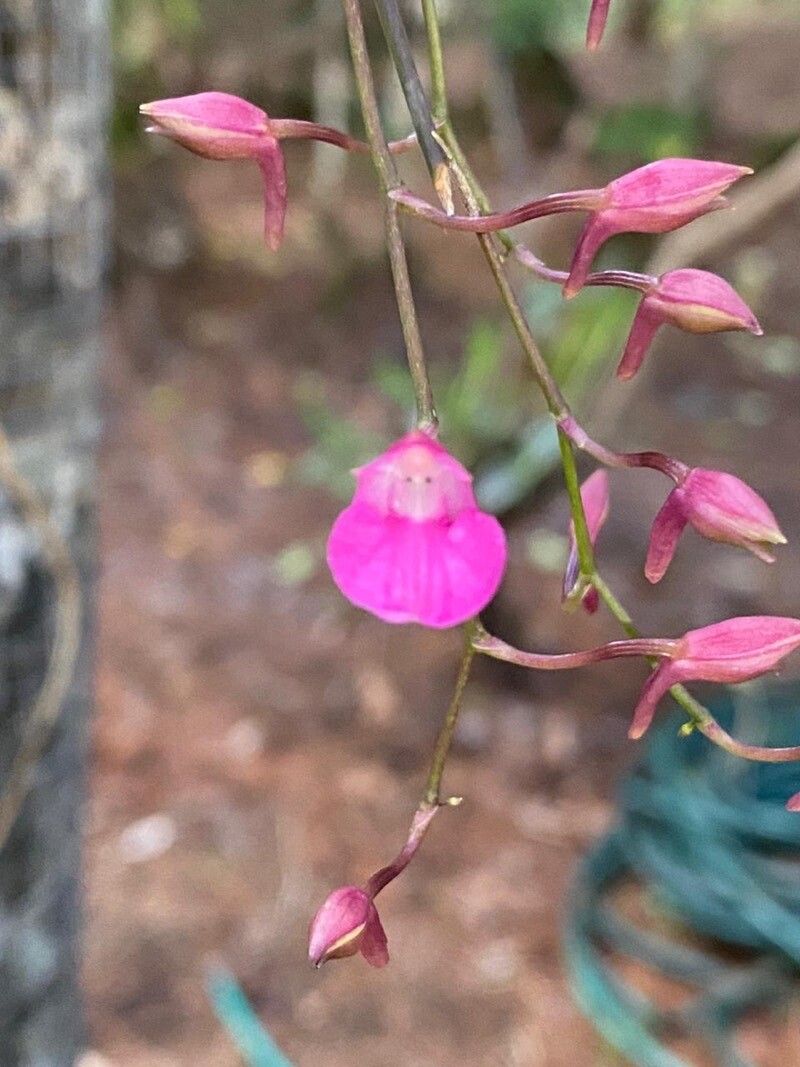
Oh, hello there, fellow plant enthusiast! I’m so glad you’re curious about Comparettia falcata. This little gem, with its delicate sprays of pinkish-white flowers, is an absolute delight in any orchid collection. Bringing more of these beauties into your home through propagation is not just satisfying, it’s almost magical. While Comparettia falcata can be a tad fussy compared to some of the beginner-friendly orchids, I promise, with a little patience and these tips, you’ll be well on your way to success.
The Best Time to Start
For the highest chance of success, I always recommend propagating Comparettia falcata when the plant is actively growing. This usually means after it has finished flowering and is putting out new leaves and roots. Spring or early summer are typically prime times, when the days are getting longer and temperatures are warming up. You want your new plant babies to have plenty of energy to get established.
Supplies You’ll Need
Gathering your tools beforehand makes the whole process smoother. Here’s what I find most helpful:
- Sharp, sterile pruning shears or a clean razor blade: For making precise cuts. Sterilize with rubbing alcohol between each cut.
- Sphagnum moss: Good quality, long-fibered sphagnum is excellent for retaining moisture.
- Orchid bark mix: A fine-grade mix is usually best for this type of orchid.
- Small pots or net pots: These are perfect for starting new divisions.
- Rooting hormone (optional, but can help): A good quality powder or gel can give your cuttings a little boost.
- A spray bottle: For misting.
- Clear plastic bags or propagation domes: To create a humid environment.
- A small, sharp knife or scalpel: For carefully separating parts of the plant.
- A bit of patience!
Propagation Methods
The most reliable way to propagate Comparettia falcata is through division. These orchids tend to form small clumps over time, and separating them is quite straightforward if you’re gentle.
Division Method:
- Gently remove the plant from its pot. If it’s stuck, a little tap on the pot sides or careful use of a knife around the edge should help.
- Carefully tease apart the roots. You might need to gently wash away some of the old potting medium to see what you’re doing. The goal is to separate the plant into sections that each have at least two to three healthy pseudobulbs (the swollen leaf bases) and roots.
- Inspect each division. Look for any signs of rot or disease. If you find any mushy or blackened parts, gently trim them away with your sterile shears.
- Repot each division. Place them in their own small pots or net pots, using your orchid bark mix. Make sure the pseudobulbs are just at the surface of the mix, not buried too deeply.
- Water lightly. Give the newly potted divisions a gentle watering.
The “Secret Sauce” (Pro Tips)
Now, for a couple of little tricks I’ve picked up over the years that really make a difference:
- Embrace the humidity, but don’t drown it. After dividing and repotting, I like to place the new divisions inside clear plastic bags or under a propagation dome. This traps humidity, which is crucial for new root growth. But, make sure there’s good air circulation to prevent fungal issues. I’ll often open the bag for a few minutes each day.
- A little warmth goes a long way. If you can, place your new divisions on a warming mat set to a low temperature (around 70-75°F or 21-24°C). This gentle bottom heat encourages root development, which is exactly what these little ones need to get going.
Aftercare & Troubleshooting
Once your new divisions are potted up, the real work of nurturing them begins.
- Misting is key. Mist the foliage and the surface of the potting medium regularly, especially if they are in a humid environment. Avoid letting water sit in the crown of the pseudobulbs for extended periods, as this can lead to rot.
- Provide bright, indirect light. Just like their parent plant, new divisions need good light, but direct sunlight can scorch their delicate leaves.
- Be patient! It can take several weeks or even a couple of months for new roots to appear. Don’t be tempted to constantly unpot them to check.
The most common issue you’ll encounter is rot. Signs of rot include soft, mushy, or blackening pseudobulbs and leaves. If you see this, act quickly. Remove the affected parts with your sterile tool and adjust your watering and air circulation. Sometimes, if the rot is severe, the division won’t make it, but don’t get discouraged.
A Encouraging Closing
Growing orchids can feel like a bit of an art, and propagation is certainly part of that beautiful process. Remember, every gardener has had failures. The most important thing is to keep learning and enjoying the journey. Be patient with your Comparettia falcata divisions, give them love and the right conditions, and before you know it, you’ll have a whole new collection of these exquisite blooms. Happy growing!
Resource:
https://identify.plantnet.org/k-world-flora/species/Comparettia%20falcata%20Poepp.%20&%20Endl./data