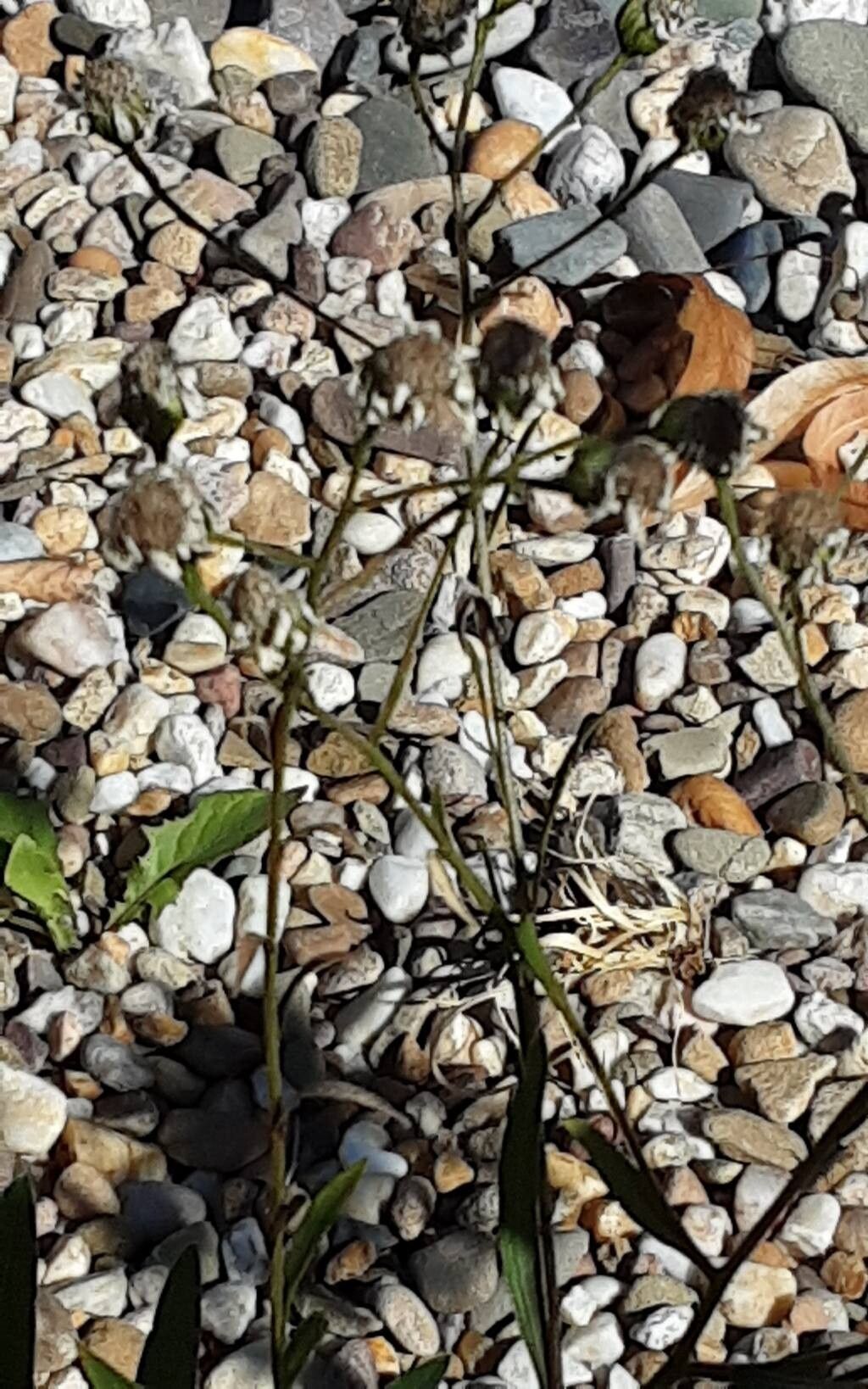
Hello fellow plant enthusiasts! Today, we’re diving into the wonderful world of Solidago ptarmicoides, also known as White Goldenrod. If you adore plants that bring a touch of wild, natural beauty to your garden, you’ll love this one. Its delicate white flowers look like fluffy clouds, attracting all sorts of beneficial insects. Propagating it is a fantastic way to fill your garden with more of these cheerful blooms without breaking the bank. And the good news? It’s quite beginner-friendly, which is always a bonus in my book!
The Best Time to Start
For Solidago ptarmicoides, the sweetest spot for propagation is usually in late spring or early summer. This is when the plant is actively growing and has plenty of energy to put into developing new roots. You’re looking for nice, healthy shoots that aren’t yet flowering. If you’re thinking about dividing established clumps, early spring as new growth emerges is also a prime time.
Supplies You’ll Need
Before we get our hands dirty, let’s gather our tools. Having everything ready makes the process so much smoother:
- Sterilized Pruning Shears or a Sharp Knife: For clean cuts, it’s essential to prevent disease.
- Rooting Hormone (Optional but Recommended): This can give your cuttings a real boost. Available in powder or liquid form.
- Well-Draining Potting Mix: A good blend is crucial. I like to use a mix of equal parts seed starting mix and perlite for propagation. You could also use coco coir mixed with perlite.
- Small Pots or Seed Trays: Clean ones are a must!
- Plastic Bags or a Clear Plastic Dome: To create a humid environment for cuttings.
- Watering Can with a Fine Rose: For gentle watering.
- Labels: Because it’s easy to forget what you planted where!
Propagation Methods
Solidago ptarmicoides can be propagated beautifully through a couple of common methods. Let’s walk through them.
1. Stem Cuttings: A Classic Approach
This is my go-to for many perennials, and White Goldenrod responds well.
- Select Your Cuttings: Look for healthy, non-flowering stems that are about 4-6 inches long. Use your sterilized shears to make a clean cut just below a leaf node (the point where a leaf attaches to the stem).
- Prepare the Cuttings: Gently remove the lower leaves from the cutting, leaving just a couple at the top. This prevents them from rotting in the soil. If you’re using rooting hormone, dip the cut end of the stem into the powder or liquid, tapping off any excess.
- Plant Your Cuttings: Fill your small pots or trays with your dampened propagating mix. Make a small hole with your finger or a pencil and gently insert the cut end of the stem. Firm the soil around it.
- Create a Humid Environment: Water the soil gently. Then, you can either cover the pot with a clear plastic bag (propping it up with a skewer so it doesn’t touch the leaves) or place it under a clear plastic dome.
- Placement: Put your pots in a bright location, but out of direct, hot sunlight. This is super important to prevent wilting.
2. Division: Taming Your Established Plants
If you already have a healthy clump of Solidago ptarmicoides, dividing it is a fantastic way to get more plants and also revitalize the parent plant.
- Dig Carefully: In early spring, when you see new growth emerging, gently dig up the entire clump using a trowel or spade. Try not to damage the roots too much.
- Separate the Divisions: Gently shake off excess soil to expose the root ball. You can usually pull the clump apart with your hands, or if it’s very dense, use a sharp, clean knife or even two forks to tease apart sections. You want each division to have a good portion of roots and at least one or two healthy shoots.
- Replant Immediately: Prepare your garden beds or pots with your regular garden soil. Replant the divisions at the same depth they were growing before. Water them in well.
The “Secret Sauce” (Pro Tips)
Here are a couple of little tricks I’ve learned over the years that can really boost your success:
- Don’t Let Those Lower Leaves Touch the Soil: I know I mentioned it earlier, but it bears repeating! Decaying foliage is a one-way ticket to rot town for your precious cuttings. Keep them clear of the soil surface, and if they droop a bit, trim them off.
- Bottom Heat is Your Friend: Especially for stem cuttings, providing a little warmth from below can significantly speed up root development. A heating mat designed for seedlings is excellent for this. It mimics the warm soil temperatures the plant loves, encouraging roots to form much faster.
Aftercare & Troubleshooting
Once your cuttings have shown signs of rooting (you’ll see new leaf growth and they’ll feel a bit resistant when gently tugged), it’s time to transition them.
- Gradual Acclimation: Start by removing the plastic bag or dome for increasing periods each day. This helps them adjust to normal humidity.
- Potting Up: Once they have a good root system, you can pot them into slightly larger individual pots with your regular potting mix. Water them thoroughly.
- New Garden Home: When your new plants have developed a strong root system and are showing consistent growth, they’re ready to be planted out in the garden.
- Watch for Rot: The most common issue you might encounter is rot. If your cuttings turn slimy or mushy, or if the leaves suddenly yellow and wilt despite consistent moisture, it’s likely rot. This is often due to overwatering or poor drainage. If you see it, remove the affected cutting immediately and ensure your remaining ones have good airflow and aren’t sitting in soggy soil.
A Little Patience Goes a Long Way
Propagating plants is such a rewarding journey. There’s a real magic in taking a small piece of a plant and nurturing it into a whole new life. Don’t get discouraged if every single cutting doesn’t make it. That’s part of the learning process for all of us! Just keep trying, stay patient, and enjoy the satisfaction of watching your White Goldenrod garden expand. Happy gardening!
Resource: