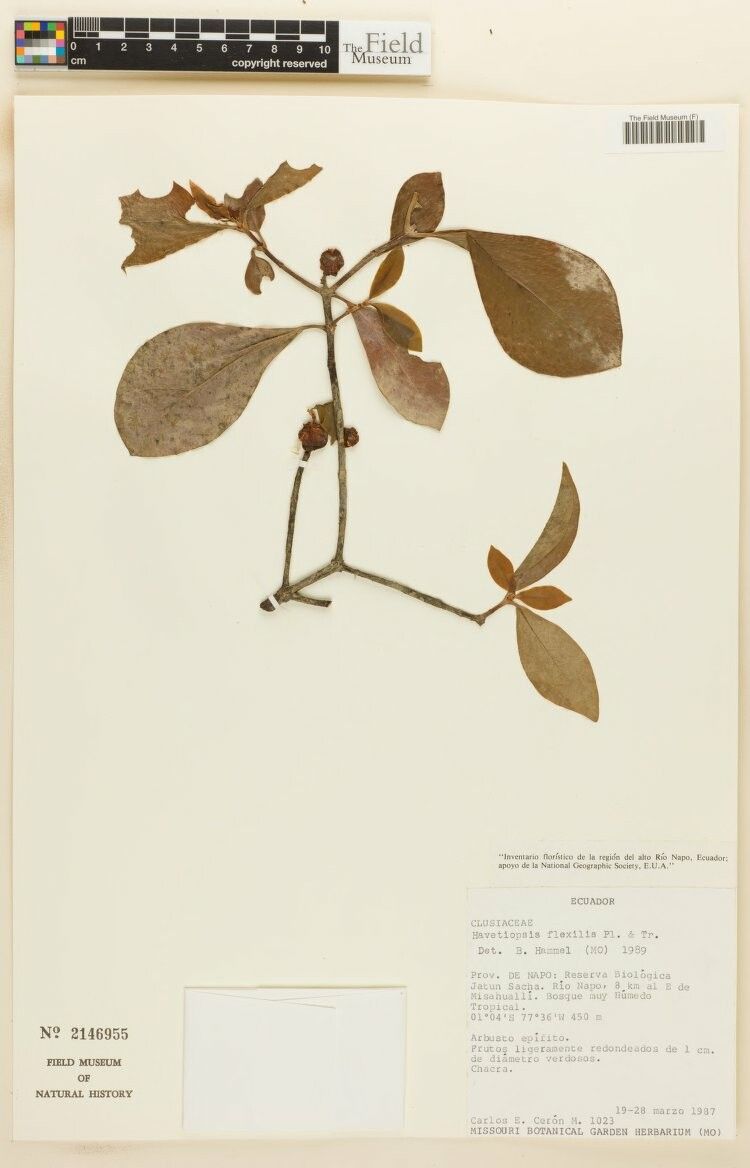
Hey there, fellow plant lovers! Today, we’re diving into the fascinating world of propagating Clusia flavida. If you’ve ever admired this gorgeous plant with its glossy, leathery leaves and cheerful yellow flowers, you’re in for a treat. Getting your own baby Clusia plants from an established one is incredibly rewarding, and surprisingly, it’s not as daunting as it might seem! While some plants can be a bit finicky, Clusia flavida is generally quite forgiving, making it a great choice, even if you’re just starting your propagation journey.
The Best Time to Start
My favorite time to get stuck into propagating Clusia flavida is during its active growing season. Think late spring through summer. This is when the plant is bursting with energy, and your cuttings will have the best chance to root quickly and strongly. Starting when the weather is warm and days are longer definitely gives you a head start.
Supplies You’ll Need
Before we get our hands dirty, let’s gather our essentials:
- Sharp Pruning Shears or a Craft Knife: Clean cuts are key to healthy rooting.
- Rooting Hormone (Optional, but Recommended): For an extra boost of confidence for your cuttings.
- Well-Draining Potting Mix: A classic mix of potting soil with perlite or sand works wonders. You can also find specific cactus or succulent mixes.
- Small Pots or Seedling Trays: Whatever you have on hand that’s clean and ready to go.
- Water: For misting and watering.
- Clear Plastic Bag or Humidity Dome: To create a mini greenhouse effect.
- Labels (Optional): To keep track of your babies!
Propagation Methods
Let’s explore the most reliable ways to grow more Clusia flavida:
Stem Cuttings
This is my absolute go-to method for Clusia. It’s straightforward and usually gives fantastic results.
- Select a Healthy Stem: Look for a mature stem that’s not too woody but also not brand new and tender. A stem that has grown this year is usually perfect.
- Make Your Cut: Using your clean pruning shears or knife, make a cut just below a leaf node (that little bump where a leaf attaches to the stem). Aim for cuttings that are about 4-6 inches long.
- Remove Lower Leaves: Gently pull off the leaves from the bottom half of your cutting. This prevents them from rotting while in the soil and exposes the nodes where roots will emerge.
- Apply Rooting Hormone (If Using): Dip the cut end of the stem into your rooting hormone powder, tapping off any excess.
- Plant Your Cuttings: Fill your small pots with the well-draining potting mix. Make a small hole with your finger or a pencil and insert the cutting, ensuring the nodes are buried. Gently firm the soil around the base.
- Water Gently: Give your cuttings a light watering to settle the soil.
Water Propagation (With a Caveat!)
While you can root Clusia flavida in water, it’s a method I approach with a little caution. It’s satisfying to see roots appear, but these water roots can sometimes be more fragile and struggle to transition to soil. If you do try it:
- Follow steps 1-3 from the stem cutting method.
- Place Cuttings in Water: Place the prepared cuttings in a jar or glass of clean water.
- Change Water Regularly: Change the water every few days to keep it fresh and prevent bacterial growth.
- Watch for Roots: You should see small white roots emerging from the nodes in a few weeks.
- Transition to Soil Quickly: As soon as you see decent root growth (at least an inch long), it’s time to move them to soil. Be very gentle during the transplanting process.
The “Secret Sauce” (Pro Tips)
Here are a couple of things I’ve learned over the years that make a difference:
- Enclosed Environment is Key: After planting your cuttings, cover the pots with a clear plastic bag or a humidity dome. This traps moisture around the leaves, mimicking a humid greenhouse. Make sure the leaves aren’t touching the plastic bag, as this can encourage rot. You can use stakes to prop up the bag.
- A Touch of Warmth Helps: Clusia loves a bit of warmth to encourage root development. Placing your pots on a heated propagation mat can significantly speed up the rooting process. If you don’t have one, just find a warm spot in your home, away from direct, harsh sunlight (like on top of the refrigerator or near a warm but not hot vent).
Aftercare & Troubleshooting
Once your cuttings have been planted for a few weeks, give them a gentle tug. If you feel resistance, congratulations – you have roots!
- Gradual Acclimation: Once roots have formed, slowly start to acclimate your new plants to drier air. Gradually open the plastic bag or dome over a week or so.
- Light and Watering: Keep the soil consistently moist but not soggy. Bright, indirect light is ideal.
- Signs of Trouble: The most common issue is rot, which will manifest as mushy, black stems or leaves. This usually happens if there’s too much moisture and not enough air circulation. If you see this, it’s best to discard the affected cutting and try again, ensuring your potting mix is airy and you’re not overwatering. Yellowing leaves can mean too much or too little water, or not enough light.
A Little Patience Goes a Long Way
Propagating plants is a fantastic way to connect with nature and expand your indoor jungle. Be patient with your Clusia flavida cuttings. Some may take longer than others, and that’s perfectly okay. Enjoy the process of nurturing these new lives, and soon you’ll have a whole collection of your own! Happy propagating!
Resource:
https://identify.plantnet.org/k-world-flora/species/Clusia%20flavida%20(Benth.)%20Pipoly/data