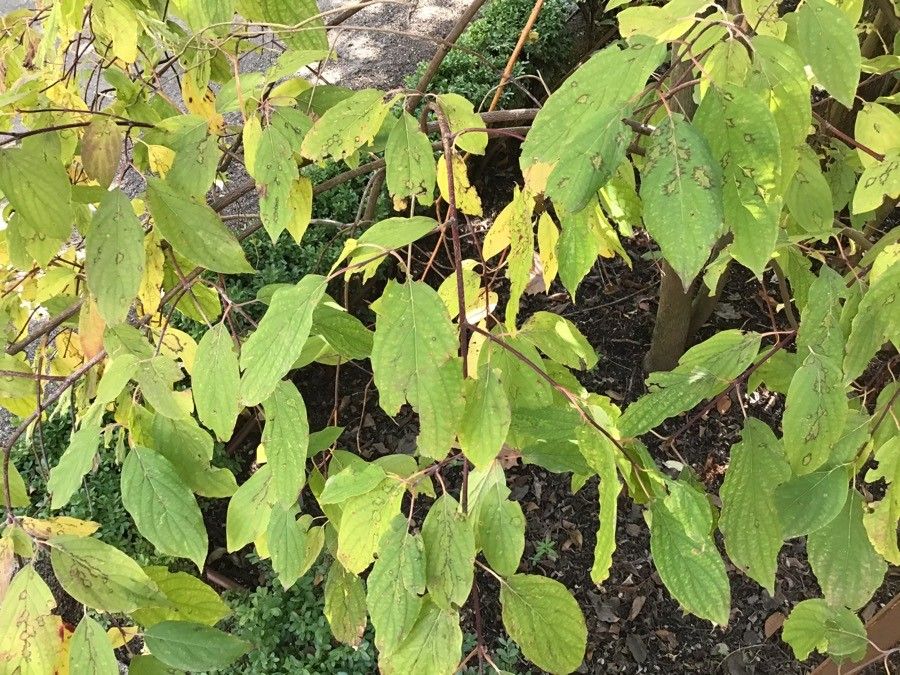
Hello fellow plant lovers! Today, I want to chat about a real gem in the garden: Cornus hemsleyi, or Hemsley’s Dogwood. If you’re drawn to those beautiful, often subtly colored bracts and lovely structure, you’re in for a treat. Propagating this shrub is a fantastic way to expand your collection or share the love with friends. It’s a wonderfully rewarding process, and while it might seem a little daunting at first, with a few tips, you’ll be well on your way. For beginners? I’d say it’s moderately easy to get started, but we’ll cover how to boost your success rate.
The Best Time to Start
The sweet spot for propagating Cornus hemsleyi is mid-spring to early summer. I like to wait until the plant has put on a good flush of new growth, typically after the initial burst of spring energy. This is when the stems are still flexible enough to root well but have developed enough. Harvesting cuttings when the weather is consistently warm and humid also helps immeasurably.
Supplies You’ll Need
Here’s a little rundown of what you’ll want to have on hand before you start:
- Sharp, clean pruning shears or a knife: Sanitation is key to preventing diseases.
- Rooting hormone (powder or gel): This isn’t strictly necessary for all dogwoods, but it definitely gives you a stronger rooting response and speeds things up.
- A well-draining potting mix: I usually use a blend of peat moss or coco coir and perlite or coarse sand. Something that won’t hold too much moisture.
- Small pots or seed trays: Make sure they have drainage holes!
- Plastic bags or a clear propagating lid: To create a humid microclimate.
- Optional: Bottom heat mat: This can really encourage faster root development.
Propagation Methods
Let’s get our hands dirty! For Cornus hemsleyi, stem cuttings are my go-to method.
- Select Your Cuttings: Find healthy, non-flowering stems from the current season’s growth. You’re looking for pieces that are about 4-6 inches long. At the bottom of each cutting, there should be a section where the bark is slightly woody, not entirely soft and green.
- Make the Cut: Using your clean shears, make a clean cut just below a leaf node (where a leaf attaches to the stem). This is where roots are most likely to form.
- Prepare the Cutting: Gently remove the leaves from the bottom half of the cutting. If your leaves are large, you can even cut any remaining leaves in half horizontally to reduce water loss. This is really important!
- Apply Rooting Hormone: Dip the cut end of the stem into your rooting hormone, tapping off any excess.
- Plant Your Cuttings: Fill your pots with your prepared, moist potting mix. Make a small hole in the center with your finger or a pencil, and gently insert the cutting. Firm the soil gently around the base. You can fit 2-3 cuttings per small pot, spaced about an inch apart.
- Create Humidity: Water the soil lightly. Then, cover the pot with a clear plastic bag, securing it with a rubber band, or place the pot under a clear propagating lid. This traps moisture and keeps your cuttings from drying out.
The “Secret Sauce” (Pro Tips)
Here’s where a little experience makes a difference:
- Don’t let the leaves touch the water: If you’re doing any kind of water propagation (though I find cuttings are more reliable for this species), ensure the lower leaves are above the water line. Rot sets in quickly if they’re submerged.
- Bottom heat is your friend: If you have a bottom heat mat, place your pots on it. This gently warms the soil, encouraging root development much faster than without it. It’s not a strict requirement, but it’s a huge advantage.
- Be patient with woody stems: While we’re aiming for semi-hardwood cuttings, don’t discard a stem if it feels a little too mature. Sometimes a slightly older stem, given enough time and care, will surprise you with roots.
Aftercare & Troubleshooting
Once your cuttings are planted, find them a spot with bright, indirect light – no direct sun, please! Keep the soil consistently moist but not waterlogged. You’ll want to open the plastic bag or lid for a few minutes each day to allow for air circulation and prevent mold.
You’ll know your cuttings are rooting when you see new leaf growth and, if you gently tug on a cutting, you feel some resistance. This can take anywhere from 4 to 8 weeks, sometimes longer.
The most common problem you’ll encounter is rot. If a cutting turns black, mushy, or develops mold, it’s likely beyond saving. This is usually a sign of too much moisture and not enough airflow. Don’t get discouraged; just toss the affected cutting and try again with fresh material.
A Encouraging Closing
Propagating plants is a journey, and Cornus hemsleyi is a lovely one to embark on. Be patient with the process, celebrate the small victories, and remember that even experienced gardeners have their setbacks. I have no doubt you’ll soon have your own little Hemsley’s Dogwoods to cherish. Happy propagating!
Resource: