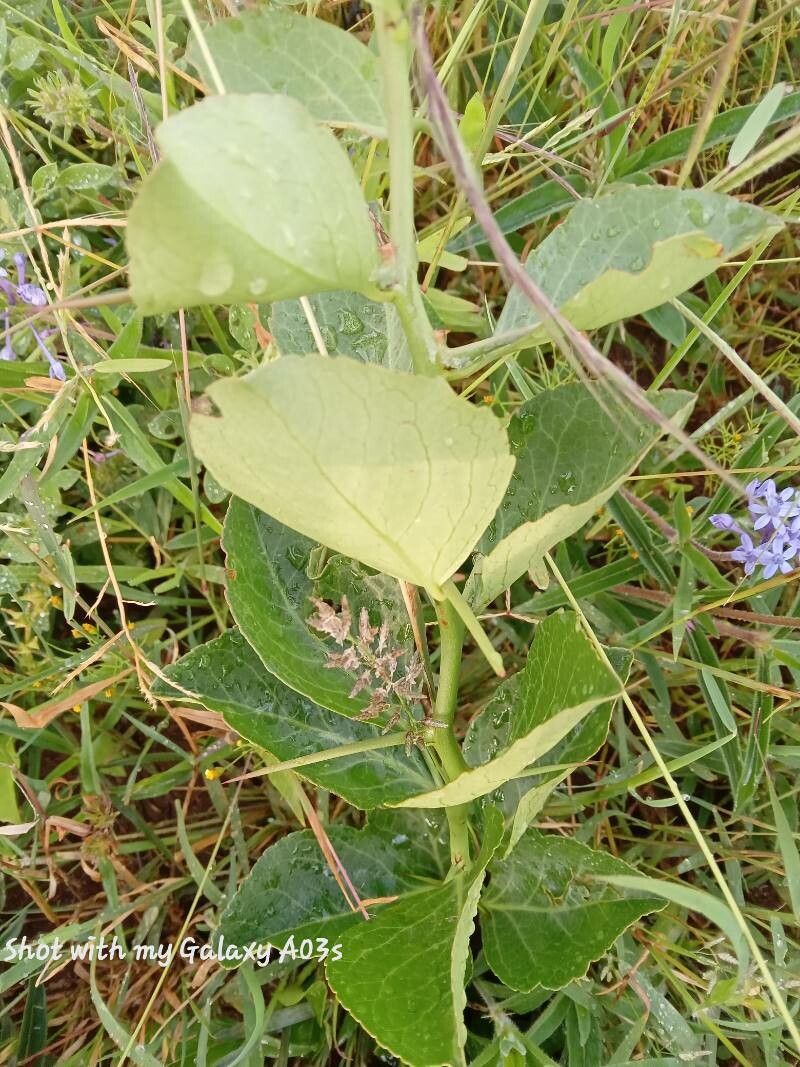
Hello fellow plant lovers! Today, we’re diving into the wonderful world of multiplying one of my personal favorites, Scolopia zeyheri. You might know it by its common names, like Wild Pear or Cape Woodstock, and honestly, its beauty is undeniable. The glossy, leathery leaves and delicate white flowers make it a real showstopper in any garden. Propagating it yourself is incredibly rewarding – it’s like magic watching a tiny piece of a beloved plant turn into a new, thriving specimen. For those of you just starting out on your propagation journey, Scolopia zeyheri can be a bit of a rewarding challenge, but absolutely achievable with a little know-how.
The Best Time to Start
Timing is everything, right? For Scolopia zeyheri, I’ve found the late spring to early summer is your golden window. This is when the plant is actively growing – you know, those lovely new shoots and vibrant green leaves are a sure sign. This vigorous growth means the cuttings have more energy to dedicate to rooting, giving you the best chance of success.
Supplies You’ll Need
Gathering your tools beforehand always makes the process smoother:
- Sharp pruning shears or a clean knife: For taking precise cuts without crushing the stems.
- Rooting hormone (optional but recommended): This really boosts the rooting process.
- Small pots or trays: Clean ones are a must to prevent any nasty diseases.
- Well-draining potting mix: I like a blend of perlite, peat moss, and a bit of compost. You can also find specialized succulent or cutting mixes.
- Plastic bags or a propagation dome: To create a humid environment.
- Watering can with a fine rose or spray bottle: For gentle watering.
Propagation Methods: Stem Cuttings are Your Best Bet
While Scolopia zeyheri can be grown from seed, it’s a much slower process and often results in plants that differ from the parent. For multiplying your existing plants quickly and reliably, stem cuttings are definitely the way to go!
- Select Your Cuttings: Look for healthy, non-flowering shoots that are about 4-6 inches long. Make your cut just below a leaf node (where a leaf attaches to the stem). This is where the magic happens, as this area is rich in growth hormones.
- Prepare the Cuttings: Gently remove the lower leaves from the cutting, leaving just a couple of leaves at the top. This reduces moisture loss. If your stem is a bit thick, you can lightly wound the bottom of the cutting to encourage rooting.
- Apply Rooting Hormone (Optional): Dip the cut end of the stem into rooting hormone powder. Tap off any excess.
- Plant Your Cuttings: Fill your pots or trays with your prepared potting mix. Make a small hole with your finger or a pencil and insert the cut end of the stem into the mix. Gently firm the soil around it.
- Create a Humid Environment: Water the soil lightly. Then, cover the pots with a clear plastic bag, securing it with a rubber band or placing them under a propagation dome. This traps moisture and helps the cuttings stay hydrated.
- Find a Good Spot: Place your cuttings in a bright spot, but out of direct, harsh sunlight. A windowsill that gets dappled light is perfect. The ideal temperature is around 70-75°F (21-24°C).
The “Secret Sauce” (Pro Tips)
Here are a couple of little tricks I’ve learned over the years that make a difference:
- Bottom Heat is Your Friend: If you have a seedling mat, placing your pots on it can significantly speed up root development. It mimics the warmth of spring soil and really encourages those roots to get going.
- Don’t Drown Them! While humidity is important, soggy soil is the kiss of death for cuttings. Ensure your potting mix is well-draining and only water when the top inch of soil feels dry. It’s better to err on the side of slightly too dry than too wet.
- Patience with the Air Holes: When you have your cuttings covered with a plastic bag, open the bag for a few minutes each day to allow for some air circulation. This helps prevent fungal issues.
Aftercare & Troubleshooting
Once your cuttings have been planted, be patient! It can take several weeks to a few months for new roots to develop. You can give them a gentle tug – if you feel resistance, you’ve got roots!
Once you see signs of rooting, you can gradually acclimatize your new plants to normal humidity by removing the plastic bag for longer periods. Continue to water them as needed and keep them in bright, indirect light.
If you see mushy stems or blackening at the base, that’s usually a sign of rot. This often happens from overwatering or poor drainage. If you catch it early, you might be able to save the cutting by removing the affected part and repotting it in fresh, dry mix. It’s a learning curve, and sometimes we lose a few – that’s part of the gardening adventure!
A Heartfelt Closing
Propagating plants like Scolopia zeyheri is a journey of observation and patience. Don’t get discouraged if every single cutting doesn’t make it. Celebrate the successes, learn from the setbacks, and most importantly, enjoy the incredibly satisfying process of growing something new from a small piece of a plant you love. Happy propagating!
Resource:
https://identify.plantnet.org/k-world-flora/species/Scolopia%20zeyheri%20(Nees)%20Szyszył./data