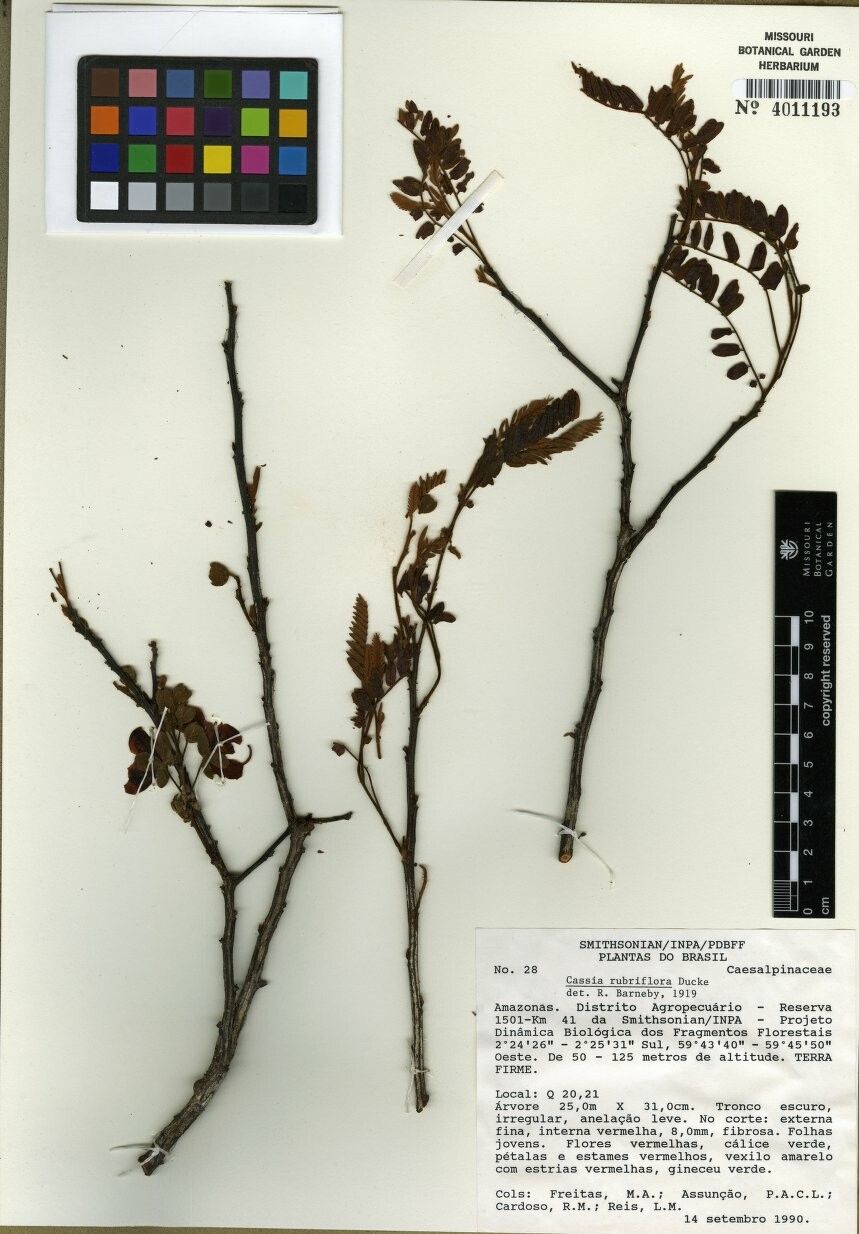
Hello there! If you’ve ever admired the vibrant, fiery blossoms of Cassia rubriflora (often called scarlet or red-flowering senna) and wished you could have more of those cheerful bursts of color in your garden, then you’re in the right place. I’ve been growing and sharing plants for two decades now, and there’s a special kind of joy in coaxing new life from an existing beauty. Cassia rubriflora is a rewarding plant to propagate. While it’s not the absolute easiest for a complete novice, with a little care and attention, you can absolutely succeed!
The Best Time to Start
For Cassia rubriflora, taking cuttings in late spring or early summer is your golden ticket. This is when the plant is actively growing and has plenty of energy to put into developing new roots. Look for stems that are somewhat mature – not brand new, tender growth, but not woody either. Think of that sweet spot, often called “semi-hardwood.”
Supplies You’ll Need
Gathering your supplies before you start makes the whole process much smoother. Here’s what I’d recommend:
- Sharp Pruning Shears or a Clean Knife: For taking clean cuts.
- Rooting Hormone (Optional but Recommended): Especially for trickier cuttings. A powder or gel works well.
- Well-Draining Potting Mix: A good blend is usually equal parts peat moss or coco coir, perlite, and a bit of compost.
- Small Pots or Trays: Clean pots are key to preventing disease.
- Plastic Bags or a Clear Dome: To create a humid environment.
- Watering Can with a Fine Rose: For gentle watering.
- Labels and a Marker: So you don’t forget what you planted where!
Propagation Methods
The most reliable way to propagate Cassia rubriflora is through stem cuttings. Here’s how I do it:
Stem Cuttings:
- Select Your Parent Plant: Choose a healthy, vigorous Cassia rubriflora that’s free of pests or diseases.
- Take Stem Cuttings: Using your clean shears or knife, take cuttings that are about 4-6 inches long. Make the cut just below a leaf node (where a leaf attaches to the stem). Remove the lower leaves from the cutting, leaving just a few at the top.
- Dip in Rooting Hormone: If you’re using rooting hormone, gently dip the cut end of the stem into the powder or gel, tapping off any excess.
- Plant the Cuttings: Fill your small pots with your well-draining potting mix. Make a small hole with your finger or a pencil and insert the cutting, firming the soil gently around it.
- Water Gently: Water carefully, ensuring the soil is moist but not waterlogged.
- Create a Humid Environment: Place a clear plastic bag over the pot, securing it with a rubber band, or cover the pots with a clear dome. This traps humidity, which is crucial for cuttings. Make sure the leaves don’t touch the plastic if possible, as this can encourage rot.
- Provide Bright, Indirect Light: Place your cuttings in a bright spot, but out of direct sunlight, which can scorch them.
The “Secret Sauce” (Pro Tips)
Over the years, I’ve picked up a few little tricks that seem to make a big difference.
- Bottom Heat is Your Friend: If you can, providing gentle bottom heat for your cuttings makes a world of difference. A heated propagation mat (available at most garden centers) can significantly speed up root formation. It mimics the warmth of summer soil.
- Don’t Rush the Water: When watering, always use room-temperature or slightly warmed water. Cold water can shock delicate young roots.
- A Little Air Circulation Helps: While humidity is vital, stagnant air can breed fungal issues. Every day or two, lift the plastic bag or open the dome for a few minutes to allow for some air exchange.
Aftercare & Troubleshooting
Once your cuttings have been in their humid environment for a few weeks, you can gently tug on them. If you feel resistance, that’s a good sign roots are forming!
When you see little roots poking out of the drainage holes or feel that resistance, it’s time to acclimate your new plants. Gradually remove the plastic bag or dome over a week or so, opening it for longer periods each day. Continue to keep the soil consistently moist.
The most common issue you’ll encounter is rot. If you see cuttings turning black and mushy, it’s usually a sign of too much moisture and not enough air circulation. If this happens, remove the affected cutting immediately and ensure good drainage and airflow for the others. Overwatering is the usual culprit.
A Little Patience Goes a Long Way
Propagating plants is a journey, and Cassia rubriflora is no exception. Some cuttings will take off beautifully, while others might take their time or, sadly, not make it. Don’t get discouraged! Keep trying, learn from each batch, and celebrate every success. Enjoy the process of multiplying those gorgeous scarlet blooms – the reward is well worth the effort. Happy gardening!
Resource:
https://identify.plantnet.org/k-world-flora/species/Cassia%20rubriflora%20Ducke/data