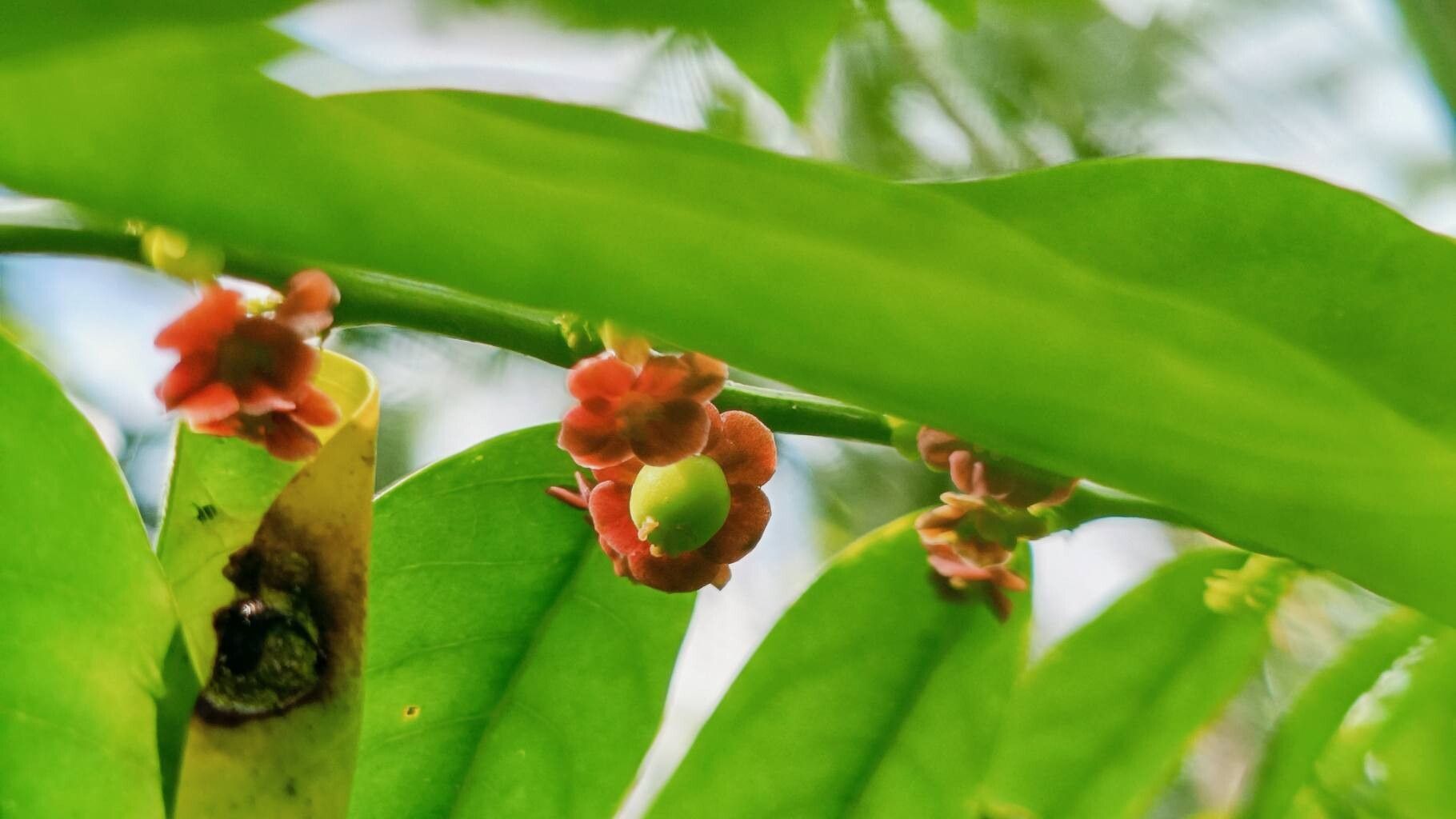
Hello garden friends! Today, we’re diving into the wonderful world of propagating Breynia androgyna. If you haven’t met this beauty yet, imagine delicate, lacelike foliage that can range from a soft green to a dusky bronze, often with a delightful pinkish blush. It’s a stunning plant, adding instant charm and texture to any space, whether it’s a sunny windowsill or a shady corner of your garden.
The real joy comes in multiplying your plants. Sharing these beauties with friends, filling new pots, or simply expanding your own collection feels incredibly rewarding. And the good news? For those of you just dipping your toes into propagation, Breynia androgyna is generally a pretty forgiving plant, making it a fantastic choice to start with!
The Best Time to Start
When it comes to getting the best results, I’ve found that spring and early summer are absolutely golden for propagating Breynia androgyna. This is when the plant is actively growing and full of vigor. The warmer temperatures and increasing daylight hours really give your cuttings the best chance to establish themselves. Waiting until the plant has a good flush of new growth is key.
Supplies You’ll Need
Gathering your tools beforehand makes the whole process smooth sailing. Here’s what I recommend having on hand:
- Sharp Pruning Shears or a Knife: Sterilize them first!
- Potting Mix: A good quality, well-draining mix is essential. I often use a blend of peat moss, perlite, and a bit of compost.
- Small Pots or Trays: Clean ones, of course.
- Rooting Hormone (Optional but Recommended): This really gives cuttings a boost.
- Clear Plastic Bags or a Propagator: To create a humid environment.
- Water: For misting and for water propagation.
- Labeling Stakes: You’ll want to remember what you planted and when!
Propagation Methods
Breynia androgyna is quite versatile, and I’ve had great success with a couple of common methods.
1. Stem Cuttings (My Favorite!)
This is my go-to method, and it’s incredibly effective.
- Take Cuttings: Using your sterilized shears, snip off healthy stems that are about 4-6 inches long. Look for stems that have started to become a little woody, not just brand new, soft growth. Make your cuts just below a leaf node, which is the point where a leaf grows from the stem.
- Prepare the Cuttings: Gently remove the lower leaves from the cutting, leaving only a few at the top. This prevents the submerged leaves from rotting.
- Apply Rooting Hormone: If you’re using rooting hormone, dip the cut end of each stem into the powder, tapping off any excess.
- Planting: Fill your small pots with your well-draining potting mix. Make a pilot hole with a pencil or your finger, and then insert the treated cutting. Gently firm the soil around it.
- Create Humidity: Water the soil lightly. Then, cover the pot with a clear plastic bag, or place the pots inside a propagator. This traps moisture and creates a humid environment, which is crucial for cuttings to root. You might need to prop up the bag so it doesn’t touch the leaves.
2. Water Propagation
This method is wonderfully visual and satisfying to watch!
- Select and Prepare Stems: Just like with stem cuttings, take 4-6 inch stem tips from healthy, semi-hard wood. Remove the lower leaves.
- Place in Water: Find a clean glass or jar and fill it with fresh water. Place the prepared cuttings in the water, making sure no leaves are submerged. If leaves are below the water line, they’ll rot and can kill your cutting.
- Location: Place the jar in a bright spot, but out of direct, harsh sunlight.
- Change Water Regularly: Refresh the water every few days, or whenever it starts to look cloudy, to keep it clean and oxygenated. You’ll be amazed at how quickly you see tiny white roots emerging!
- Transplant: Once the roots are about an inch long, it’s time to carefully transplant them into pots with potting mix. Treat them gently, as the new roots are quite delicate.
The “Secret Sauce” (Pro Tips)
Here are a few things I’ve learned over the years that can make a big difference:
- Bottom Heat is Your Friend: If you can, placing your pots on a seed starting mat or a warm windowsill can significantly speed up the rooting process. The warmth encourages root development from below.
- Don’t Be Afraid to Mist: Even with a plastic bag, a light misting of water from a spray bottle onto the leaves every day or two can help keep those cuttings plump and happy. It mimics the humid conditions they love.
- Patience is a Virtue with This One: While Breynia androgyna is relatively easy, it can sometimes take a little while for roots to form, especially if the conditions aren’t absolutely perfect. Don’t give up too soon! I’ve had cuttings surprise me with roots after several weeks.
Aftercare & Troubleshooting
Once you see new growth appearing at the top of your cutting, it’s a great sign that roots are forming below!
- Acclimatization: If you’ve used a plastic bag or propagator, gradually introduce your new plant to drier air. Start by opening the bag for a few hours each day, then completely remove it over a week.
- Watering: Water your new plant when the top inch of soil feels dry. Avoid letting it sit in soggy conditions.
- Light: Continue to provide bright, indirect light.
- Signs of Trouble: The most common issue you’ll encounter is rot. If you see stems turning black and mushy, or leaves wilting dramatically and dying, it’s usually a sign of too much moisture and poor drainage. Ensure your potting mix is airy and that you’re not overwatering. If you catch it early, you might be able to save the cutting by trimming away the rotten parts and replanting in fresh, dry soil.
A Little More Patience, And Enjoy!
Propagating plants is a journey, and each time you do it, you learn a little more. Breynia androgyna is a beautiful plant to practice with, and with a little care and attention, you’ll soon have a whole collection to admire! So grab your shears, get your hands in the soil, and enjoy the quiet satisfaction of nurturing new life. Happy gardening!
Resource: