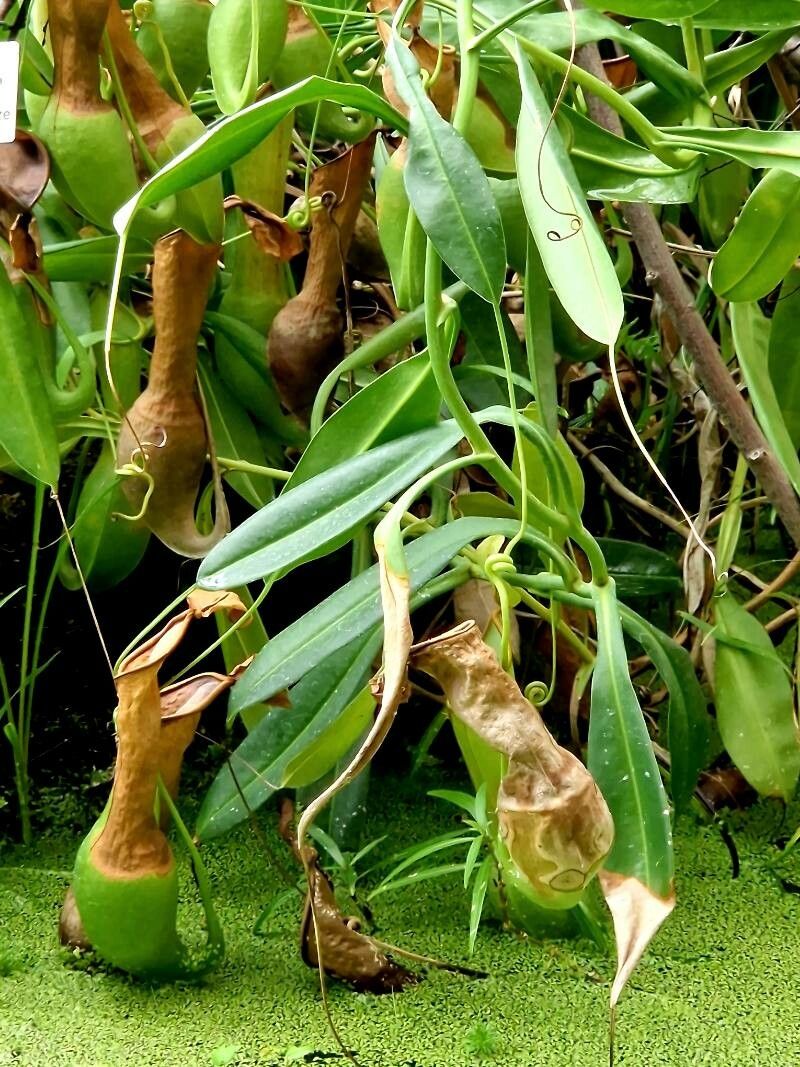
Ah, Nepenthes alata! You know, those incredible pitcher plants that add a touch of the exotic to any collection. I’ve always been captivated by their elegant pitchers, a unique evolution that turns a simple leaf into a functional trap. Propagating them yourself is such a rewarding experience. You get to watch a brand new plant emerge from a piece of an existing one – it’s like a little bit of magic in your hands. Now, Nepenthes alata isn’t the most finicky plant in the world, but it does appreciate a little care and attention. For beginners, I’d say it’s a good starting point for venturing into carnivorous plant propagation. It’s definitely achievable!
When to Get Growing: The Best Time to Start
For Nepenthes alata, the sweet spot for propagation is generally during its active growing season. This usually means spring and summer. You’ll see the most vigorous growth then, giving your cuttings the best chance to develop strong roots. Late spring, as things warm up and days get longer, is often my favorite time to get started. This gives them plenty of time to establish before cooler weather sets in.
Your Essential Propagation Toolkit
To give your Nepenthes alata cuttings the best start, having the right gear is key. Here’s what I always have on hand:
- Sharp Pruning Shears or a Clean Knife: For making clean cuts. Sterilize them with rubbing alcohol between uses!
- Potting Medium: A well-draining mix is crucial. I often use a 50/50 blend of peat moss and perlite. Some growers also swear by sphagnum moss or a mix of coco coir and perlite.
- Small Pots or Trays: Seedling pots, small plastic containers, or even old yogurt cups with drainage holes work perfectly.
- Rooting Hormone (Optional but Recommended): A powdered rooting hormone can really give your cuttings a boost. Look for one that contains IBA (indole-3-butyric acid).
- Clear Plastic Bag or Propagation Dome: To create a humid environment around your cuttings.
- Watering Can with a Fine Rose: For gentle watering.
Methods for Multiplying Your Nepenthes
There are a couple of ways to propagate Nepenthes alata, and both can be quite successful.
1. Stem Cuttings: My Go-To Method
This is probably the most common and effective way to propagate Nepenthes alata.
- Select a Healthy Stem: Look for a mature, healthy stem on your plant. Ideally, it should have at least two to three leaf nodes. A node is where a leaf grows from the stem.
- Make the Cut: Using your sterilized shears, make a clean cut just below a leaf node. Try to get a cutting that’s 4-6 inches long. Remove any lower leaves that might rot if they are below the soil line.
- Apply Rooting Hormone (If Using): Dip the cut end of the stem into your rooting hormone, tapping off any excess.
- Plant Your Cutting: Gently insert the cut end into your prepared potting medium. Make sure at least one or two leaf nodes are buried in the mix. Don’t pack the medium too tightly; you want good air circulation.
- Provide Humidity: Water the medium gently. Then, cover the pot with a clear plastic bag or place it in a propagation dome to create a high-humidity environment. Prop this up so the bag doesn’t touch the leaves.
- Placement: Place the pot in a bright location, but out of direct sunlight. Warmth is important, so a sunny windowsill that doesn’t bake, or a spot over a gentle heat mat, is ideal.
2. Division: For Established Plants
If you have a larger, well-established Nepenthes alata plant that has started to produce multiple shoots or a rhizome (the main underground stem), you can propagate it by division.
- Gently Remove from Pot: Carefully take your mature plant out of its pot.
- Examine the Root Ball: Look for natural separation points where a new shoot emerges from the main rhizome.
- Separate Shoots: Using a clean, sharp knife or your hands, gently separate a section that includes roots and at least one or two leaves. Be as gentle as possible to minimize root disturbance.
- Pot Up Separately: Pot each divided piece into its own container with the well-draining potting mix.
- Water and Humidity: Water them in and treat them as you would a new stem cutting – they need that extra humidity and bright, indirect light to recover and establish.
The “Secret Sauce”: My Insider Tips
After years of tinkering, I’ve learned a few things that make a real difference:
- Don’t Drench, Just Moisten: Overwatering is the kiss of death for cuttings. The potting medium should be consistently moist, not waterlogged. Think of it like a wrung-out sponge. If you can see water pooling in the bottom of the pot, you’ve gone too far.
- Bottom Heat is Your Friend: This is a game-changer, especially if your room temperatures fluctuate. A gentle heat mat placed under your pots can significantly speed up root development. It mimics the warmth of spring soil and encourages those roots to get going. You don’t want it too hot, just a gentle warmth.
Aftercare and Troubleshooting: Nurturing New Life
Once you start to see new growth or feel resistance when gently tugging on a cutting (a sign of roots!), it’s time to adjust.
- Gradual Acclimation: When roots have formed, slowly start to acclimate your new plant to lower humidity. Gradually open the plastic bag or dome for longer periods each day over a week or two. This prevents shock.
- Continue Bright, Indirect Light: Keep the humidity-loving environment for a bit longer, but continue with bright, indirect light.
- Watch for Rot: The most common problem is rot, usually caused by too much moisture and poor air circulation. If you see your cutting turning black and mushy, it’s likely rot. Unfortunately, at that point, it’s usually too late. Always err on the side of slightly drier rather than too wet.
- No Pitchers Yet? Don’t Worry: New cuttings won’t form pitchers immediately. Focus on getting healthy leaf and stem growth first. The pitchers will come with time as the plant matures.
Propagating Nepenthes alata is a journey, and like any garden project, it requires a bit of patience. Don’t get discouraged if your first attempt isn’t a roaring success. Learn from it, adjust your approach, and try again. Every cutting is a chance to expand your collection and deepen your understanding of these fascinating plants. Happy growing!
Resource:
https://identify.plantnet.org/k-world-flora/species/Nepenthes%20alata%20Blanco/data