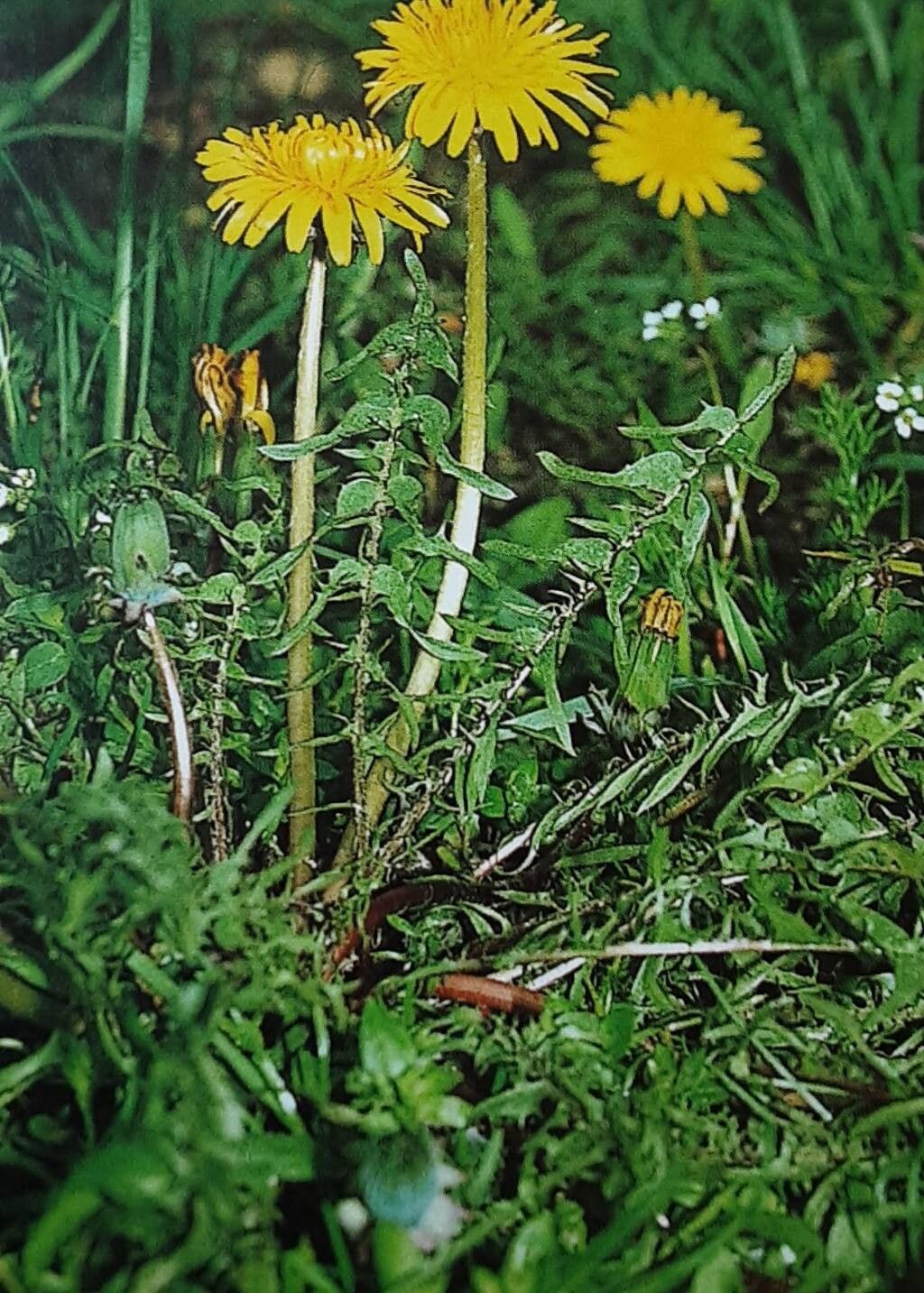
Hello there, fellow plant lovers! I’ve spent two decades with my hands in the soil, and let me tell you, there’s a quiet joy to coaxing new life from an existing plant that never gets old. Today, we’re diving into the wonderful world of propagating Taraxacum officinale – or as most of us know and love it, the humble dandelion.
Why Grow More Dandelions?
Now, I know what some of you might be thinking. Dandelions? Aren’t they just weeds? Well, yes, they can be, but they’re also incredibly resilient, offer beautiful yellow blooms that pollinators adore, and their leaves are surprisingly nutritious. Plus, propagating them is wonderfully simple. If you’re looking for a practically foolproof way to get started with plant propagation, the dandelion is your perfect, cheerful tutor. You’ll be amazed at how quickly you can fill your garden, or even a small pot on your windowsill, with these sunny delights.
The Best Time to Start
For the absolute highest success rate with dandelions, I always recommend working with them in the late winter or early spring, just as the plant is starting to stir from dormancy. You can also have decent luck in the fall, as everything begins to wind down. The key is to work with a well-established, healthy plant that has good energy reserves to draw upon.
Supplies You’ll Need
You don’t need much fancy equipment for this! Here’s what I keep handy:
- Clean, sharp gardening shears or a knife: For making clean cuts.
- A well-draining potting mix: I prefer a blend of peat moss, perlite, and a little compost.
- Small pots or seed trays: Anything that can hold your new divisions or cuttings.
- Watering can with a fine rose: To gently water.
- Optional: Rooting hormone powder: While not strictly necessary for dandelions, it can give a little extra boost.
- Optional: Gloves: If you prefer to keep your hands clean!
Propagation Methods
There are a couple of tried-and-true ways to multiply your dandelions.
Method 1: Division
This is my go-to for dandelions. It’s straightforward and works like a charm.
- Gently unearth your dandelion plant. Try to get as much of the root system as possible. You’ll see it has a prominent taproot.
- Inspect the root system. Look for natural points where the plant is dividing itself, or where you can cleanly split the crown (the part where leaves emerge from the roots).
- Carefully separate the plant. Using your shears or knife, cut through the root system to create smaller, manageable divisions. Each division should have at least a few leaves and a good portion of the root.
- Repot your divisions. Plant each division in its own pot filled with your well-draining soil mix. Make sure the crown is at soil level.
- Water gently but thoroughly.
Method 2: Seed Collection and Sowing
This is the most natural way to propagate dandelions!
- Wait for the seed heads. Once the yellow flowers fade, they’ll transform into those iconic fluffy seed heads.
- Collect the seeds. You can either gently pull the entire seed head and let it dry somewhere indoors, or just collect the fluffy seeds as they detach.
- Sow the seeds. You can sow them directly in the garden where you want them to grow, or in pots. Lightly press the seeds onto the surface of the soil and cover them with a very thin layer of soil, or even just fine grit. They need light to germinate.
- Keep the soil consistently moist. A light misting is often best.
The “Secret Sauce” (Pro Tips)
Here are a couple of little tricks I’ve learned over the years that can make a difference:
- Don’t be afraid of the root! When dividing, focus on getting a good section of the taproot. This is where the plant stores its energy. Even a small piece of root can regrow a whole new plant if it has enough stored reserves.
- Allow for air circulation. When seedlings or divisions are growing, good air flow helps prevent fungal issues. If you’re starting seeds indoors, consider a small fan on a low setting for a few hours a day.
Aftercare & Troubleshooting
Once your divisions or seedlings are planted, regular watering is key. Keep the soil consistently moist but not waterlogged. You’ll start to see new leaf growth in a few weeks, which is a great sign.
The most common problem you might encounter is rot. This usually happens if the soil stays too wet, or if the plant doesn’t have enough air circulation. If you see wilting leaves and a mushy base, it’s likely rot. In this case, unfortunately, the plant may not be salvageable. It’s a good reminder to ensure your soil drains well and to water only when the top inch of soil feels dry.
A Little Patience Goes a Long Way
Propagating plants is a journey. Some take off immediately, while others need a little more coaxing. Be patient with your new dandelion babies. Watch them grow, feed your local pollinators, and enjoy the simple satisfaction of creating more beauty from what you already have. Happy gardening!
Resource:
https://identify.plantnet.org/k-world-flora/species/Taraxacum%20cucullatum%20Dahlst./data