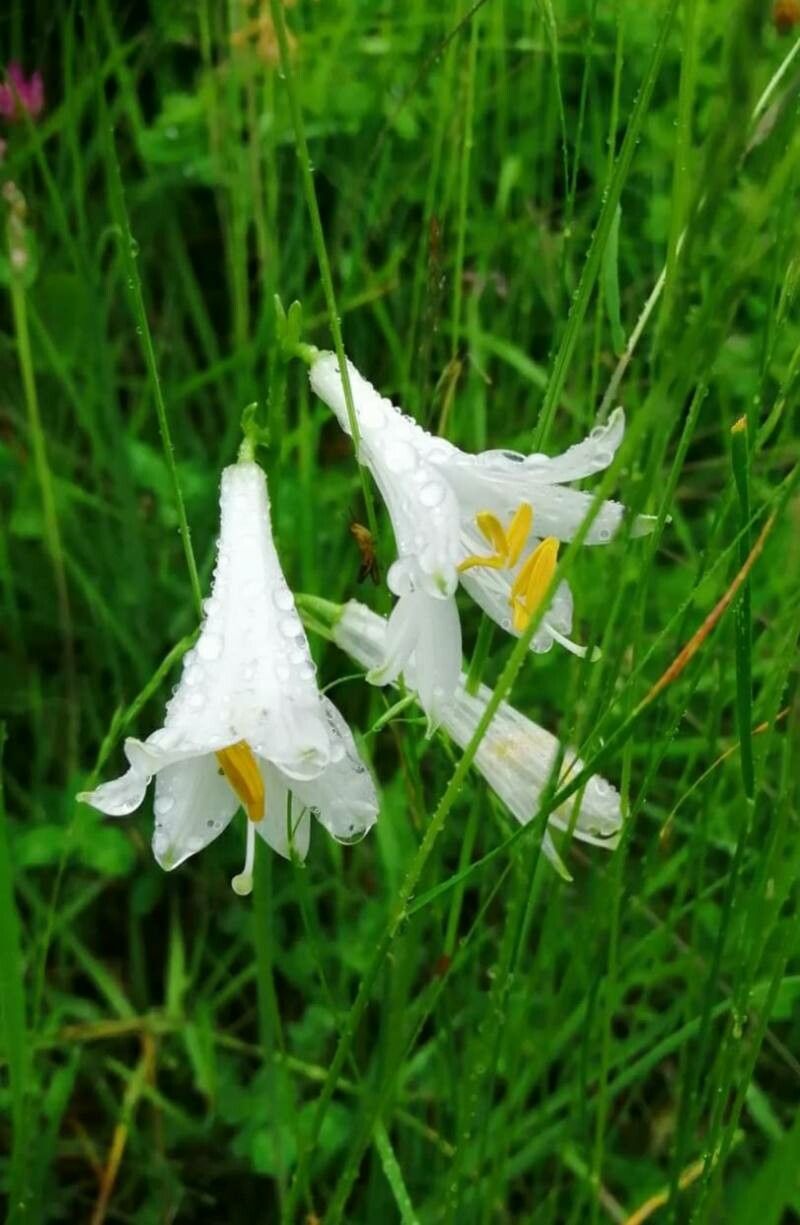
Oh, hello there, fellow garden enthusiast! Pull up a chair, let’s chat about a truly delightful plant: Paradisea liliastrum, or as many of us affectionately call it, the St. Bernard’s Lily. It’s this elegant beauty with graceful, arching leaves and the most exquisite, trumpet-shaped white flowers that smell heavenly. Honestly, seeing those blooms unfurl is a little moment of pure joy.
Why propagate it, you ask? Well, for starters, it’s undeniably rewarding to nurture a new plant from a tiny piece of its parent. It’s like unlocking a little garden magic! And while Paradisea liliastrum might not be the absolute easiest plant for a complete beginner to propagate, with a little attention and the right approach, it’s certainly achievable and incredibly satisfying. Let’s dive in!
The Best Time to Start
For the most success with your Paradisea liliastrum, I’ve found that early spring, just as the plant is waking up from its winter rest and starting to show new growth, is your golden ticket. You can also have decent luck with late summer after the main flowering period has passed. Think of it as following the plant’s natural rhythm.
Supplies You’ll Need
Here’s what you’ll want to gather before you get your hands dirty:
- Sharp, clean pruning shears or a knife: Essential for making clean cuts.
- Propagating mix: A well-draining blend. I often use a 50/50 mix of peat moss and perlite or coarse sand.
- Small pots or trays: With drainage holes, of course!
- Rooting hormone (optional but recommended): A powder or gel can give your cuttings an extra boost.
- Plastic bags or a propagator lid: To create a humid environment.
- Watering can with a fine rose: For gentle watering.
- Labels: To keep track of what you’ve planted.
Propagation Methods
Paradisea liliastrum is most commonly propagated by division, and it’s my go-to method for this plant. It’s just so straightforward!
1. Division: Your Best Bet
- Step 1: Prepare Your Parent Plant. Gently dig up the entire plant during its dormant period (late fall or early spring). Be careful not to damage the roots.
- Step 2: Gently Separate the Divisions. Once the plant is out of the ground, you’ll often see natural clumps or shoots emerging from the base of the parent. Gently tease these apart with your hands. If they’re a bit stubborn, you can use a clean, sharp knife to carefully cut through any thick rhizomes or roots connecting them.
- Step 3: Inspect and Prune. Remove any dead or damaged leaves and any mushy or overripe parts of the roots.
- Step 4: Replant Your New Babies. Plant each division into its own pot filled with your well-draining propagating mix. Make sure the top of the root ball is about an inch below the soil surface. Water thoroughly.
The “Secret Sauce” (Pro Tips)
Here are a couple of things I’ve learned over the years that can make a real difference:
- Don’t Drown Your Divisions: While you want the soil to be consistently moist, it should never be waterlogged. Soggy conditions are a breeding ground for rot, and nobody wants that! Aim for “damp” rather than “soaking wet.”
- Give Them a Cozy Start: After planting your divisions, pop them into a partially shaded spot outdoors (if temps are mild) or keep them in a bright, indirect light area indoors. Covering the pots with a clear plastic bag or placing them in a propagator will help maintain humidity, which is crucial for encouraging new root growth. Just make sure to vent the bag or lid for a few minutes each day to prevent fungal issues.
Aftercare & Troubleshooting
Once your divisions are potted, give them a good drink and keep them consistently moist but not soggy. Place them in a location with bright, indirect light. If you’ve used the plastic bag method, keep an eye on the condensation. Too much fogging might mean you need to air them out a bit more.
You’ll know your new Paradisea liliastrum is settling in and forming roots when you see new leaf growth emerging. This can take anywhere from a few weeks to a couple of months, so patience is key!
The most common culprit for failure is root rot. If you notice the leaves turning yellow and wilting, and the soil feels excessively wet, it’s a sign of overwatering. Sadly, if rot has set in, it can be difficult to rescue. Prevention is definitely better than cure here! Ensure excellent drainage and avoid that waterlogged soil.
A Encouraging Closing
Propagating Paradisea liliastrum is a journey, not a race. Be patient with your new plant babies, enjoy the quiet satisfaction of nurturing them, and celebrate every little sign of growth. Soon enough, you’ll have a whole collection of these beautiful lilies to grace your garden, and that, my friends, is pure gardening bliss. Happy propagating!
Resource:
https://identify.plantnet.org/k-world-flora/species/Paradisea%20liliastrum%20(L.)%20Bertol./data