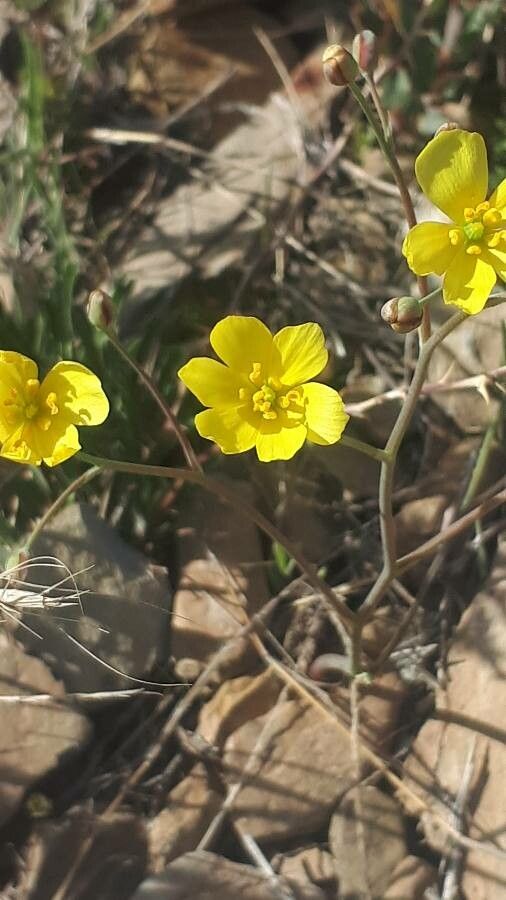
Oh, hello there! Come on in, grab a mug. Today, we’re diving into the wonderful world of propagating Linum aristatum, or as it’s often known, Bristly Flax. This little gem is just so charming with its delicate, starry blue flowers and lovely, upright habit. Growing new plants from cuttings or seeds is one of the most satisfying things a gardener can do. It’s like bottling up a little bit of sunshine and magic to share with your garden. Now, if you’re new to this, I’d say Linum aristatum is a pretty beginner-friendly plant to propagate. Patience is key, as with all things green, but you’ll likely find success with a little guidance.
The Best Time to Start
For striking gold, you want to propagate your Linum aristatum during its active growing season. This usually means late spring or early summer. You’re looking for healthy, new stem growth that’s not yet woody. Think of it as taking a cutting from a plant that’s full of life and energy – it’s more likely to root and thrive.
Supplies You’ll Need
Gathering your tools beforehand makes the whole process smoother. Here’s what I usually have on hand:
- Sharp pruning shears or a clean knife: For making precise cuts.
- Small pots or seed trays: Clean ones are a must!
- Well-draining potting mix: A mix of perlite, vermiculite, and a good quality potting soil is ideal. You can also buy specialist cutting compost.
- Rooting hormone (optional but helpful): This can give your cuttings a little boost.
- A watering can with a fine rose: For gentle watering.
- A clear plastic bag or propagation dome: To maintain humidity around your cuttings.
- Labels: So you don’t forget what’s what!
Propagation Methods
There are a couple of tried-and-true ways to get more Linum aristatum. I find stem cuttings to be the most reliable.
Stem Cuttings
- Take the Cuttings: Using your sharp shears, select healthy, non-flowering shoots from your established plant. You want pieces about 4-6 inches long. Make a clean cut just below a leaf node (where a leaf joins the stem).
- Prepare the Cuttings: Gently remove the lower leaves from the cutting, leaving just a few at the top. This prevents them from rotting when buried in the soil and also reduces water loss.
- Apply Rooting Hormone (Optional): If you’re using rooting hormone, lightly dip the cut end into the powder or gel. Tap off any excess.
- Plant the Cuttings: Fill your small pots or trays with your prepared, moistened potting mix. Make a small hole with a pencil or your finger, and carefully insert the cuttings, ensuring the leaf nodes are buried. Gently firm the soil around them.
- Water Gently: Give the pots a light watering to settle the soil.
- Create a Humid Environment: Cover the pots with a clear plastic bag or propagation dome. This traps moisture and creates a mini-greenhouse effect. Make sure the leaves don’t touch the plastic if possible.
- Place in Bright, Indirect Light: Find a warm spot but out of direct sunlight, which can scorch the delicate cuttings.
Water Propagation (Less Common for Linum Aristatum, but possible)
While I generally prefer soil for Linum aristatum, you can try water propagation. Take your cuttings as described above. Place them in a clean jar or vase filled with fresh water. Ensure no leaves are submerged in the water, as this will cause them to rot. Change the water every few days. Once you see small roots forming (this can take a few weeks), you can carefully transplant them into soil.
The “Secret Sauce” (Pro Tips)
Here are a few little tricks I’ve learned over the years that can really make a difference:
- Bottom Heat is Your Friend: If you have a propagator or can place your pots on a heat mat, a little warmth from below can significantly speed up root development. It mimics the warmth of summer soil wonderfully.
- Don’t Disturb Too Soon: Resist the urge to tug on your cuttings to check for roots! It’s best to leave them be for at least 3-4 weeks. You’ll see new growth appearing from the top as a sure sign they’ve rooted.
- A Sterile Environment is Key: Always use clean pots, tools, and fresh potting mix. This is your best defense against fungal diseases like rot.
Aftercare & Troubleshooting
Once your cuttings have developed a good root system – you’ll see them emerging from the drainage holes or feel resistance when you gently tug – it’s time to transplant them into slightly larger individual pots. Continue to water them consistently, allowing the top inch of soil to dry out between waterings. Keep them in a bright spot, but still avoid intense, direct sun for the first week or two as they adjust.
The most common issue you might encounter is rot. If your cuttings turn black and mushy, it’s usually a sign of too much moisture and not enough air circulation. If you see yellowing leaves or wilting that doesn’t recover with watering, it could be a sign of insufficient roots or a less-than-ideal environment. Don’t despair if a few don’t make it; it’s all part of the learning process. Just try again!
So there you have it! Propagating Linum aristatum is a rewarding journey. Be patient with your little green adventurers, give them the care they need, and before you know it, you’ll have a whole new collection of these charming blue beauties to dot around your garden. Happy planting!
Resource:
https://identify.plantnet.org/k-world-flora/species/Linum%20aristatum%20Engelm./data