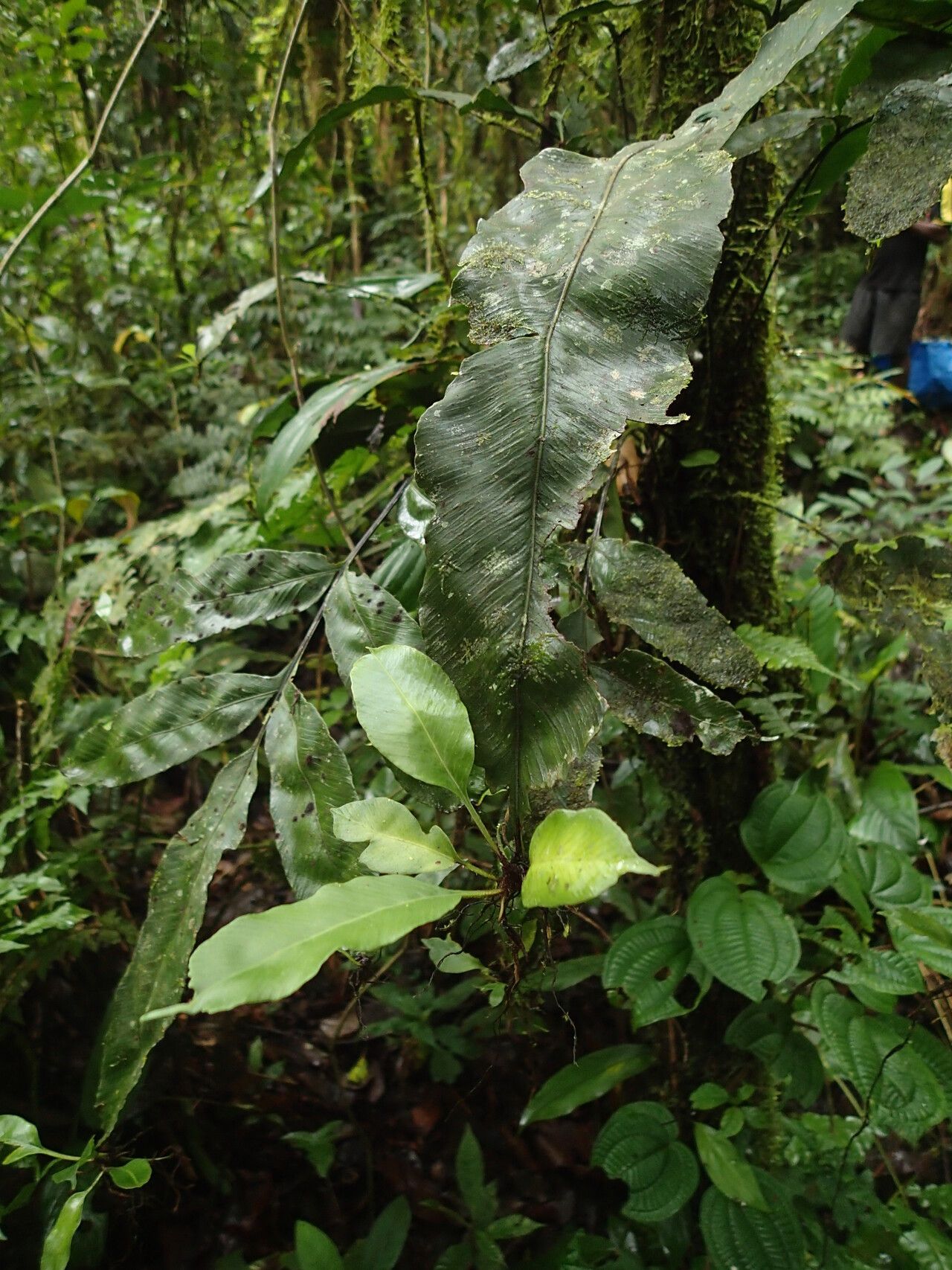
Oh, hello there, fellow plant lover! Pull up a chair, let’s chat about a truly special fern: Asplenium annetii, or as I like to call her, the “Silver Spleenwort” for her delicate, almost metallic-looking fronds. There’s something just magical about the way her leaves unfurl, catching the light. And the best part? You can easily bring that magic into other corners of your home, or even share it with friends! Propagation can feel a bit daunting at first, but with Asplenium annetii, I find it’s quite approachable, even for those of you just starting your journey into the green world.
The Best Time to Start
For Asplenium annetii, the sweet spot for propagation really is spring and early summer. This is when the plant is bursting with energy, pushing out new growth, and simply eager to grow. You’ll have the best luck if you can catch your plant in this vibrant phase of its life.
Supplies You’ll Need
Before we dive in, let’s gather our tools. It’s always better to be prepared!
- Sharp, clean pruning shears or a sharp knife: Essential for making those clean cuts.
- Well-draining potting mix: I like a mix of peat moss, perlite, and a bit of orchid bark. You want something that holds moisture but doesn’t get soggy.
- Small pots or propagation trays: Anything that can hold your new baby plant without being too overwhelming. Terra cotta pots are lovely because they breathe.
- Watering can with a fine rose or a mister: Gentle watering is key.
- Optional: Rooting hormone powder: While not strictly necessary for Asplenium annetii, it can give new cuttings a little boost.
- Optional: Clear plastic bag or propagation dome: To create a humid environment.
Propagation Methods
Asplenium annetii is a forgiving sort, and the most straightforward way to multiply it is through division. This is essentially taking a mature plant and gently separating it into smaller, independent plants.
- Gently remove the plant from its pot. If it’s a bit stuck, give the sides a gentle squeeze or run a knife around the edge.
- Inspect the root ball. You’re looking for natural divisions, where you can see distinct clumps of roots and foliage starting to grow separately.
- Using your hands or a clean knife, carefully tease apart the root ball. Go slow! You want to avoid damaging too many roots. If you can’t easily separate them with your fingers, that sharp knife will be your friend here.
- Pot each division into its own pot. Use your well-draining potting mix. Make sure the roots are tucked in comfortably.
- Water gently to settle the soil around the roots.
The “Secret Sauce” (Pro Tips)
Now, for a couple of little tricks I’ve learned over the years that can really make a difference:
- Humidity is your friend. Ferns, in general, adore humidity. After potting your divisions, lightly mist them and then cover the pot loosely with a clear plastic bag or place it under a propagation dome. This creates a mini greenhouse effect, keeping things nice and moist while the plant establishes. Just be sure to open the bag or dome for a few minutes each day to allow for air circulation and prevent mold.
- Choose your division wisely. When you’re looking at your mature plant, try to select divisions that already have a good number of healthy fronds attached. A division with just a tiny nub of a root might struggle more than one that’s already showing promise.
Aftercare & Troubleshooting
Once your new Asplenium annetii divisions are potted, treat them just like you would the parent plant, but with extra care.
- Light: Place them in bright, indirect light. direct sun will scorch those delicate new fronds.
- Watering: Keep the soil consistently moist but not waterlogged. This is where that well-draining mix really shines. If the top inch of soil feels dry, it’s time for a gentle watering.
- Patience: This is the biggest part of aftercare. It can take several weeks for new growth to appear and for you to see real signs of establishment. Don’t panic if you don’t see immediate results!
The most common issue you might encounter is rot. This usually happens if the soil stays too wet for too long. You might notice browning or mushy stems. If you see this, pull the plant out of the soil, trim away any rotted parts with clean shears, and repot in fresh, drier soil. Sometimes, a little air circulation is all that’s needed, so remember that daily ventilation for your covered plants.
A Encouraging Closing
So there you have it! Propagating Asplenium annetii is a wonderful way to deepen your connection with these beautiful plants. Don’t be afraid to get your hands dirty. Observe your new babies, be patient, and enjoy the quiet satisfaction of watching them grow. Happy propagating!
Resource:
https://identify.plantnet.org/k-world-flora/species/Asplenium%20annetii%20(Jeanp.)%20Alston/data