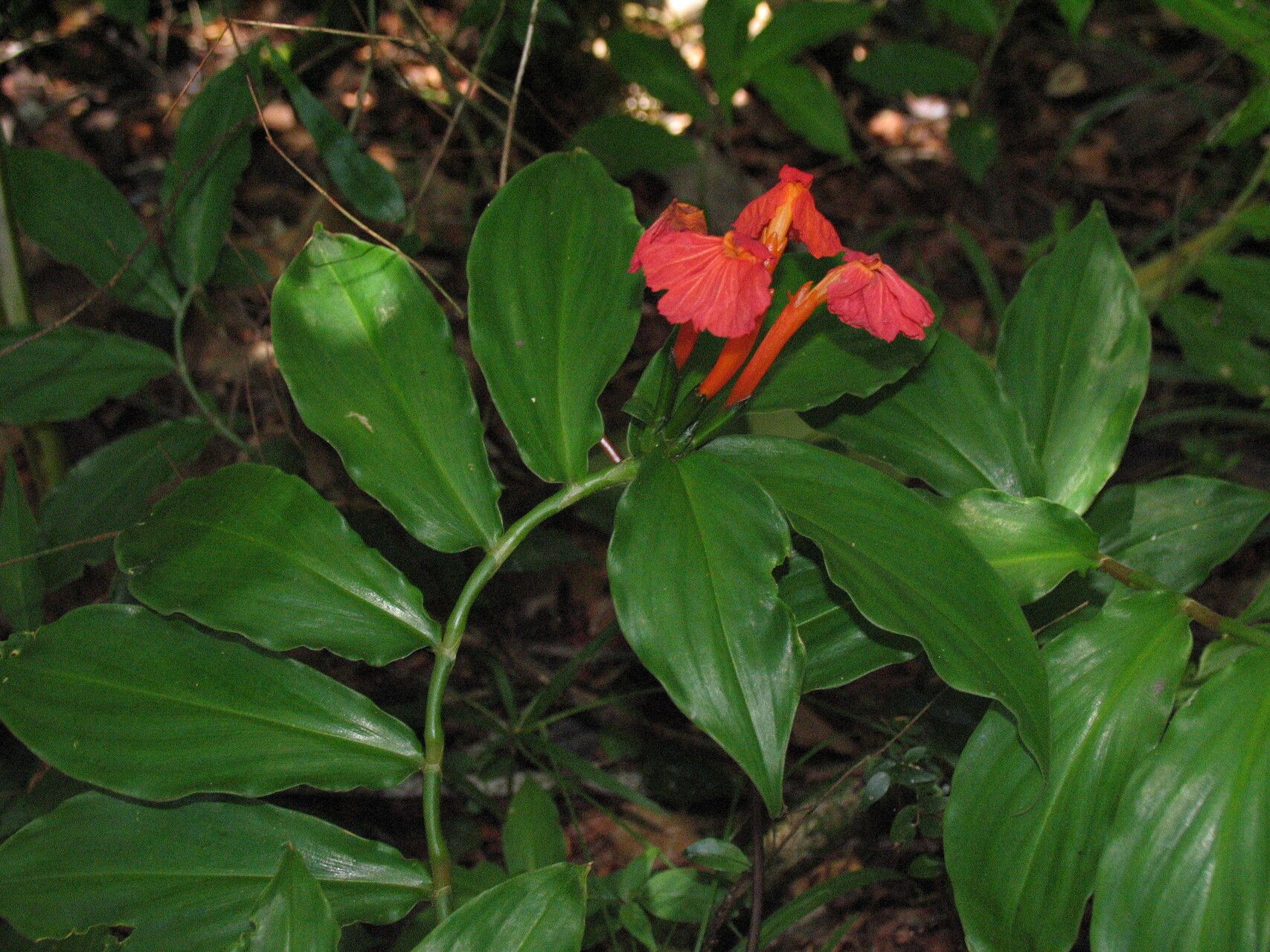
Hello there, fellow plant enthusiasts! I’m thrilled to share a bit of my gardening journey with you today, focusing on a truly underappreciated gem: Chamaecostus lanceolatus, often called the Flame Ginger or Tropical Candle.
Why You Should Propagate This Tropical Beauty
This plant brings such a vibrant splash of tropical flair to any space, with its upright, reed-like stems topped by showy, fiery red-orange bracts that look like little flames. Seeing those blooms emerge is pure joy! And the best part? Propagating Chamaecostus lanceolatus is surprisingly straightforward. I’d say it’s a wonderful choice for beginners looking to expand their collection without too much fuss. It’s quite forgiving, which is always a bonus in my book!
The Sweet Spot: When to Get Started
The absolute best time to propagate your Flame Ginger is during its active growing season. Think late spring through summer, when the plant is really putting on a growth spurt. This is when it has the most energy to dedicate to establishing new roots and developing into a robust new plant. Avoid trying this when the plant is dormant or stressed.
Your Propagation Toolkit
Gathering the right supplies makes all the difference. Here’s what I usually have on hand:
- Sharp, clean pruning shears or a knife: For making clean cuts is crucial to prevent disease.
- Rooting hormone (optional but recommended): Especially helpful for encouraging quicker and stronger root development. I like to use a powder form.
- Well-draining potting mix: A blend of peat moss, perlite, and a bit of orchid bark works like a charm. You want something that doesn’t hold too much moisture.
- Small pots or containers: Clean ones, of course! Seedling trays or small nursery pots are perfect.
- Plastic bags or a propagation dome: To create a humid environment, which is key for cuttings.
- Watering can with a fine rose: For gentle watering.
- Small labels and a marker: Never underestimate the power of labeling!
Sharing the Flame: Propagation Methods
Chamaecostus lanceolatus is wonderfully amenable to a couple of easy propagation methods.
Method 1: Stem Cuttings (My Go-To!)
This is my absolute favorite way to multiply Flame Gingers. It’s quick, efficient, and incredibly rewarding.
- Select a healthy stem: Look for a piece of stem that is at least 4-6 inches long and has several leaves. A stem that has started to mature but isn’t woody yet is ideal.
- Make the cut: Using your clean, sharp pruning shears or knife, make a cut just below a leaf node (where a leaf attaches to the stem).
- Prepare the cutting: Gently remove the lower leaves, leaving just a few leaves at the top for photosynthesis. If the leaves are very large, you can even snip them in half to reduce water loss.
- Apply rooting hormone (optional): Dip the cut end of the stem into your rooting hormone, tapping off any excess. This gives your cutting a little jumpstart.
- Pot it up: Fill your small pot with your well-draining potting mix. Make a small hole in the center with your finger or a pencil.
- Insert the cutting: Gently insert the cut end of the stem into the hole, ensuring the leaf nodes are buried in the soil. Firm the soil gently around the base.
- Water lightly: Water the soil thoroughly but gently.
- Create humidity: Cover the pot with a plastic bag or place it under a propagation dome. Make sure the leaves don’t touch the plastic if possible.
Method 2: Division
If your plant has gotten a bit large and has multiple shoots emerging from the base, division is a great option. It’s like getting a beautiful clone instantly!
- Gently unpot the plant: Carefully remove your Flame Ginger from its container.
- Inspect the root ball: Gently shake off some of the excess soil to expose the rhizomes and where new shoots are emerging.
- Identify divisions: Look for sections of the root ball that have their own shoots and roots.
- Separate with care: Using your hands or a clean knife, gently pull or cut the divisions apart. Make sure each division has at least one or two shoots and a good portion of roots.
- Pot up the divisions: Pot each division into its own container with fresh, well-draining potting mix. Water them in well.
The “Secret Sauce” From My Garden
Over the years, I’ve learned a few little tricks that tend to boost success rates.
- Bottom heat is your friend: For stem cuttings, placing the pots on a seedling heat mat can significantly speed up root formation. The warmth encourages root development from below. I find this especially helpful if the air temperature isn’t consistently warm.
- Don’t let the leaves drown: When using water propagation (which I’ve found less successful for Chamaecostus than soil, but still possible!), make sure the leaves are NOT submerged in the water. Only the stem should be in contact with the water. Rot is the enemy here!
- Patience with the pot: Once you’ve potted up cuttings, resist the urge to constantly check for roots by tugging on them. This can damage delicate new growth. Give them time!
Nurturing Your New Sprouts & When Things Go Sideways
Once your cuttings have developed a healthy root system – you’ll know because you’ll see new leaf growth appearing – it’s time for slightly different care.
- Acclimatize gradually: If you used a humidity dome or plastic bag, slowly start to remove it over a few days to acclimate the new plant to normal humidity levels.
- Watering: Continue to water when the top inch of soil feels dry. Ensure good drainage to prevent soggy roots.
- Light: Place your new plant in bright, indirect light. Avoid direct sun initially, as it can scorch young foliage.
Now, what if things don’t go as planned? The most common issue is rot. This usually happens due to overwatering or poor drainage, especially in the early stages. If you see your cutting turning mushy, black, or smelling foul, it’s probably a goner. Don’t despair! It just means we’ll try again, perhaps with better drainage or less frequent watering. Sometimes, a cutting simply fails to root; it’s part of the gardening learning curve.
Happy Growing!
Propagating your Chamaecostus lanceolatus is such a rewarding way to fill your home or garden with these stunning plants. Be patient with the process, enjoy the journey of nurturing something new, and before you know it, you’ll have a whole troop of Flame Gingers to admire! Happy gardening!
Resource: